Angel Doris
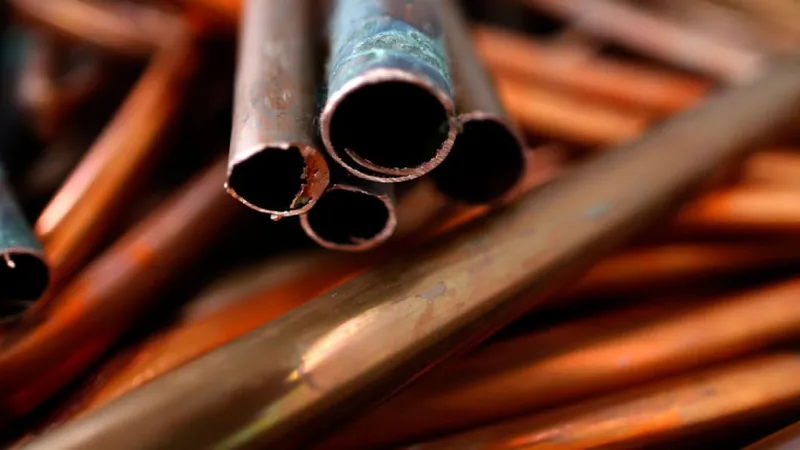
The Landeskriminalamt (LKA) for Saxony-Anhalt has issued a stark warning, anticipating a substantial increase in non-ferrous metal thefts across the state by 2026. This surge in criminal activity is directly attributed to escalating global commodity prices, which are making stolen metals an increasingly lucrative target for organized crime and opportunistic thieves alike. The cities of Halle and the Burgenlandkreis are identified as particularly vulnerable to this growing trend.
This projection by the LKA underscores a concerning trajectory for public infrastructure and private property owners within the German state. The agency, responsible for serious crime investigation and prevention, bases its forecast on observed market trends and intelligence gathered from ongoing investigations.
Non-ferrous metals, which include copper, brass, aluminum, and bronze, are highly sought after due to their significant value in industrial and recycling markets. Their removal from operational infrastructure can lead to substantial economic damage, not just from the value of the stolen material but also from the repair costs and service disruptions.
The global economic landscape, characterized by inflationary pressures and supply chain disruptions, has seen the prices of these base metals climb consistently over recent years. This creates an irresistible incentive for criminal networks, transforming what might once have been considered petty theft into a highly profitable enterprise.
In Halle, a major urban center with extensive industrial and transport infrastructure, and the Burgenlandkreis, a region known for its sprawling rural and former industrial sites, the accessibility of targets makes them prime locations for such criminal operations. Railway lines, telecommunications cables, construction sites, and even public monuments become vulnerable.
Beyond the immediate financial losses, these thefts pose significant risks to public safety. The removal of copper cables from railway signaling systems or electrical grids can lead to dangerous malfunctions, power outages, and potential accidents, impacting thousands of citizens.
Authorities note that sophisticated gangs often orchestrate these operations, utilizing specialized equipment to quickly dismantle and transport large quantities of metal. The stolen goods are then often sold through illicit channels, making recovery challenging and prosecution complex.
Law enforcement agencies are contending with the logistical challenges of monitoring vast stretches of vulnerable infrastructure and tracking the clandestine networks involved in the trade of stolen metals. Prevention strategies often involve a combination of increased surveillance, community vigilance, and collaboration with infrastructure operators.
The LKA is advocating for enhanced security measures at high-risk locations, including advanced alarm systems, improved fencing, and covert monitoring technologies. Property owners and infrastructure managers are urged to assess their vulnerabilities and implement proactive protection plans.
The issue of increasing theft and the burgeoning black market for materials also brings to light broader economic concerns within Germany. As warned by Reiner Holznagel, President of the German Taxpayers Federation, Germany's fiscal policy can sometimes inadvertently punish workers and fuel illicit economies. This connection highlights the systemic challenges that contribute to the profitability of crimes like non-ferrous metal theft, as economic pressures can drive individuals towards illegal activities when legitimate opportunities or financial stability are perceived as lacking. Read more about these fiscal challenges in Germany's Fiscal Policy Punishes Workers, Fuels Black Market, Warns Holznagel.
Disrupting the supply chain of these illicitly obtained materials is a key focus for police. This includes targeting scrap metal dealers who knowingly accept stolen goods, thereby cutting off the market for thieves and making the crime less appealing.
The Landeskriminalamt remains committed to working with federal and local police forces, as well as railway and energy companies, to develop comprehensive strategies. These efforts aim to not only apprehend those responsible but also to deter future incidents, ensuring the safety and integrity of Saxony-Anhalt's critical infrastructure. Citizens are encouraged to report any suspicious activities promptly to local authorities.