 Chris Robert
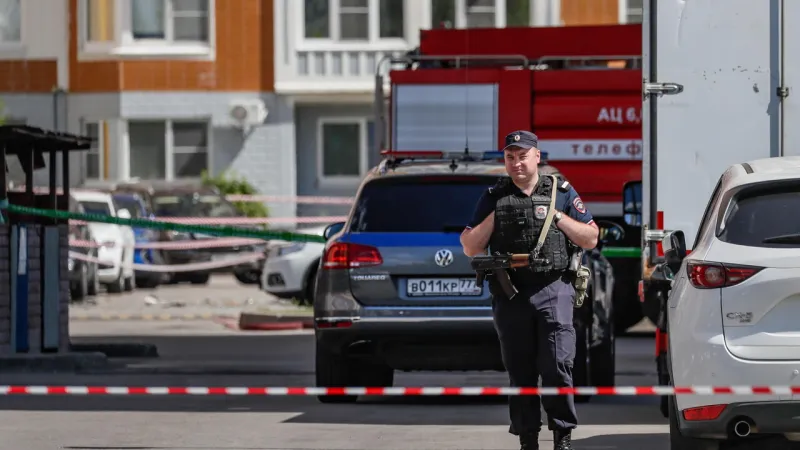
A deadly bomb explosion rocked a cafe in Moscow, Russia, claiming the lives of three individuals and wounding twenty-one others, local authorities confirmed. The blast occurred during a celebratory gathering for a newly appointed Air Force chief, transforming an evening of festivity into a scene of chaos and tragedy. Emergency services swiftly responded to the incident, with paramedics and law enforcement converging on the site.
The sophisticated nature of the device and its targeted location, a bustling cafe, immediately raised suspicions of an act of terror. The blast tore through the establishment, causing significant structural damage and sending debris across the street. Initial reports indicated that the three fatalities occurred at the scene, with several of the injured in critical condition.
The incident plunged the Russian capital into a state of heightened alert. Security measures were reportedly intensified across key areas of Moscow as investigators initiated a comprehensive probe into the attack. Authorities sealed off the area surrounding the cafe, meticulously collecting evidence to determine the perpetrators and their motives.
While officials have not yet formally designated the event a terror attack, the circumstances strongly suggest a deliberate and malevolent intent. The gathering for the Air Force chief suggests a potential high-profile target, escalating concerns over internal security within Russia, particularly given the broader geopolitical climate.
This explosion echoes previous incidents of violence in the region, drawing parallels to a deadly explosion that previously rocked Moscow center with similar casualties. The Russian investigative committee has opened a criminal case, though details regarding specific suspects or groups responsible remain unreleased to the public.
Medical teams transported the injured to nearby hospitals, where they are receiving urgent care. Among the wounded were patrons and staff, some suffering from severe burns, shrapnel wounds, and concussions. Hospital officials refrained from releasing names, citing privacy concerns for the victims.
The attack underscores persistent challenges to stability in Eastern Europe and beyond. Russia has recently faced mounting geopolitical pressures, including increased militarization along its borders, as detailed in reports like Russia Fortifies Finland Border and Russia Bolsters Forces on Finnish NATO Border, though a direct link to the Moscow bombing has not been established.
International reactions have begun to surface, with several nations expressing condolences to the victims and condemning the violence. However, official statements from major global powers have largely been guarded, awaiting further clarity from Russian authorities regarding the nature and origin of the attack.
This incident will undoubtedly prompt a rigorous review of security protocols in public venues across Russia, especially those frequented by prominent military or government figures. The targeting of a celebratory event, particularly one involving high-ranking military personnel, represents a significant escalation in potential threats.
As the investigation proceeds, the focus remains on identifying those responsible for this heinous act and understanding the underlying motivations behind the bombing. The tragic loss of life and the widespread injuries serve as a stark reminder of the volatile security landscape facing many nations today.