 Chris Robert
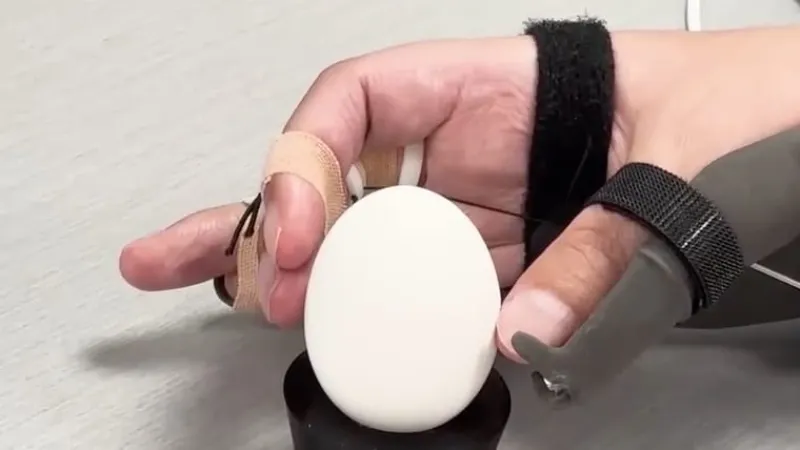
MANHASSET, N.Y. — Keith Thomas, who suffered paralysis from a 2020 swimming accident, has demonstrated a remarkable return of hand dexterity, including the ability to delicately grasp an eggshell. This groundbreaking achievement follows the successful implantation of a neural bypass developed by the Feinstein Institutes for Medical Research, offering new hope for individuals living with severe spinal cord injuries.
Thomas, whose life dramatically changed four years ago, had been unable to use his hands and arms due to the extensive damage to his spinal cord. His recovery represents a significant leap in neuro-rehabilitation and the potential for restoring complex motor functions lost to severe injuries. The initial demonstration involved him carefully manipulating the fragile shell, an act requiring precise motor control previously impossible for him.
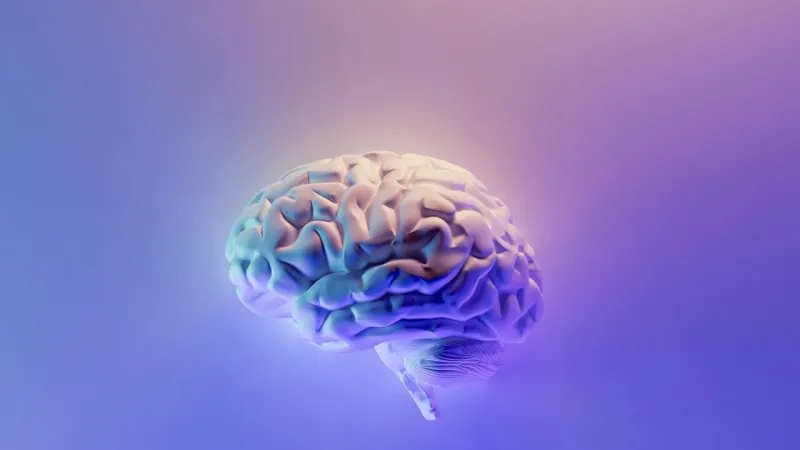
The revolutionary neural bypass system functions by creating a direct electronic communication pathway between Thomas's brain and his paralyzed limb. Surgeons implanted tiny microchip arrays into the motor cortex of his brain, which detect his intended movements. These brain signals are then wirelessly transmitted to a computer, decoded, and sent to stimulators placed on the muscles in his forearm and hand.
This intricate process effectively bypasses the damaged spinal cord, allowing Thomas's thoughts to directly command his muscles. Researchers at the Feinstein Institutes have been meticulously refining this technology for years, with Thomas's progress serving as a powerful validation of their efforts. His ability to perform tasks requiring fine motor skills underscores the sophistication of the bypass.
Before this innovative procedure, individuals with complete spinal cord injuries at Thomas's level faced lifelong reliance on assistive devices for most daily tasks. While previous advancements had shown promise in restoring gross motor movements, achieving the nuanced control required for handling delicate objects remained a significant challenge. The successful demonstration sets a new benchmark.
Scientists involved in the project emphasize that the neural bypass is not merely a prosthetic enhancement but a genuine restoration of voluntary control. Thomas reportedly underwent extensive rehabilitation, working with physical therapists and neuro-engineers to train his brain to communicate effectively with the externalized system and subsequently with his muscles.
The Feinstein Institutes, a global leader in biomedical research, highlighted the collaborative nature of this breakthrough, involving neurosurgeons, neurologists, bioengineers, and rehabilitation specialists. Their collective expertise was critical in moving the neural bypass from theoretical concept to clinical reality.
This advancement comes at a time when medical science increasingly explores the interface between human biology and advanced technology. The implications extend beyond spinal cord injuries, potentially impacting patients suffering from stroke, ALS, or other neurological conditions that impair motor function.
The successful implementation of the neural bypass promises to redefine the treatment landscape for paralysis. It offers not only functional recovery but also a profound psychological boost for patients who often grapple with the loss of independence and the inability to perform simple, everyday actions.
While still in its early stages of clinical application, the results seen with Keith Thomas are profoundly encouraging. Further studies and trials will be necessary to broaden the application of the neural bypass and make it accessible to a wider patient population, but the foundational success is undeniable.
This medical marvel stands as a testament to the relentless pursuit of innovative solutions in neuroscience. The progress signifies a future where technology can bridge the gap created by severe physical trauma, returning essential capabilities to individuals like Thomas.
The research team plans to continue monitoring Thomas's progress and further optimizing the neural bypass system. They are also exploring methods to make the technology more intuitive and integrated, aiming for a seamless interaction between the patient and the neuro-prosthetic device. The journey from a devastating accident to a renewed sense of control exemplifies human resilience coupled with scientific ingenuity.