Gabriella
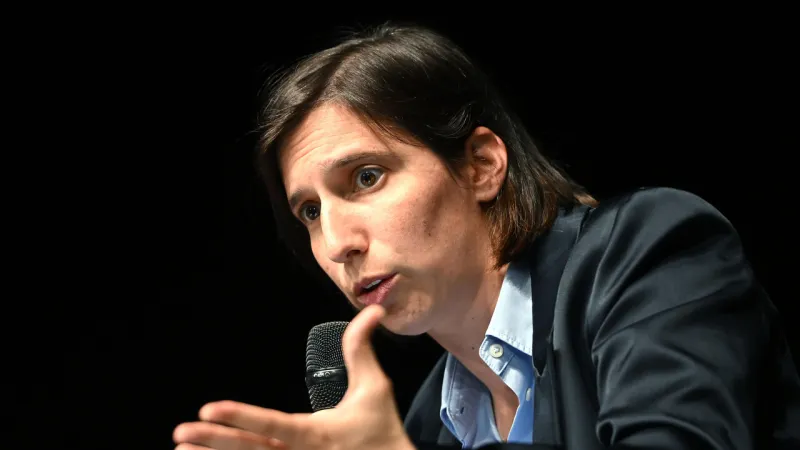
ROME – Opposition leaders Elly Schlein, head of the Democratic Party, and Giuseppe Conte, leader of the Five Star Movement, launched a scathing critique against Prime Minister Giorgia Meloni on Thursday, asserting that her administration's primary focus is consolidating power through proposed electoral law changes rather than addressing pressing national priorities. Their accusations come as informal discussions are underway among center-right strategists regarding new preference systems aimed at strengthening governmental control and potentially influencing the nation's highest office.
Conte specifically charged the Prime Minister with a singular objective, stating, "Meloni's priority is only power." This sentiment was echoed across the political spectrum of the opposition, highlighting a deep distrust of the government's motives behind the proposed legislative adjustments.
The heart of the opposition's concern lies in the belief that the proposed electoral reform Italy seeks to implement is designed to facilitate the ruling coalition's eventual selection of the next President of the Republic. "Vuole la legge elettorale per arrivare al Colle," a source close to the opposition stated, directly accusing the Prime Minister of crafting a system to secure influence over the Quirinale, Italy's presidential palace.
Such a move, critics argue, would fundamentally alter Italy's delicate balance of power, potentially undermining the non-partisan role of the presidency, a critical guarantor of the Constitution. The President holds significant powers, including dissolving parliament and appointing prime ministers, making control over this office a strategic political prize.
Sources within the center-right coalition confirmed that what they term "sherpas" – political operatives tasked with sensitive negotiations – are actively working on various proposals concerning electoral preferences. These discussions, while presented as efforts to enhance governmental stability and efficiency, are viewed by the opposition as maneuvers to entrench the current majority's authority.
The specific mechanisms under consideration reportedly involve changes to how votes translate into parliamentary seats and how individual candidates are chosen. While details remain fluid, the general direction suggests a push towards a system that could solidify the winning coalition's mandate and reduce fragmentation.
Historically, Italy has grappled with frequent government collapses and political instability, often attributed to its complex proportional representation electoral systems. Proponents of reform often cite the need for stronger, more stable governments as a primary driver. However, the current opposition fears these reforms are less about stability and more about unchecked executive power.
Opposition figures emphasized that genuine electoral reform should be a collaborative process aimed at strengthening democratic principles, not a partisan effort to seize control of constitutional checks and balances. They called for broader consultation and a more transparent debate on any changes.
This political battle over electoral law unfolds amidst other significant legislative initiatives facing Italy. The government continues to navigate the implementation of its National Recovery and Resilience Plan. For instance, the PNRR Deadline Looms: Minister Foti Outlines Italy's Strategy, underscoring a period of intense legislative activity and scrutiny for Prime Minister Meloni's administration.
The accusations by Schlein and Conte underscore a widening chasm between the government and its challengers, setting the stage for a potentially contentious political year as the details of the proposed electoral changes emerge and ignite further debate across the nation.
Political analysts suggest that the success or failure of these electoral reforms will not only define Meloni's premiership but also significantly shape the future trajectory of Italian democracy and its institutional landscape. The stakes are exceptionally high, with both sides perceiving the potential for profound long-term consequences.