Gabriella
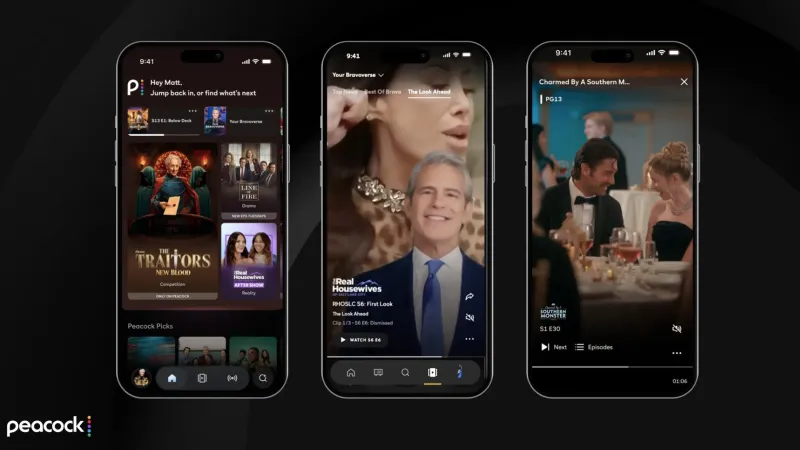
NEW YORK The Peacock streaming service is undertaking a significant redesign of its mobile application, shifting its primary focus to vertical video content in a strategic move aimed at substantially increasing user engagement. This comprehensive overhaul seeks to capture an additional hour of user interaction per month, a strategic objective articulated by the platform, reflecting its ambition to compete more effectively in the crowded digital entertainment landscape.
The decision to lean heavily into vertical video formats directly addresses evolving consumer habits, particularly among younger demographics who are accustomed to short-form, vertically oriented content prevalent on platforms like TikTok, Instagram Reels, and YouTube Shorts. By adapting its interface and content delivery, Peacock hopes to create a more intuitive and engaging experience that aligns with modern mobile consumption patterns.
This strategic pivot comes amid intense competition within the streaming industry, where providers are constantly vying for user attention and subscription dollars. Peacock specifically aims to "win another hour per user, per month," a stated objective that underscores the critical need for differentiation and deeper engagement to combat subscriber churn and maintain growth trajectories.
Industry analysts suggest that embracing vertical video could unlock new avenues for content creation and presentation on Peacock. This format often encourages more dynamic, immersive storytelling that feels native to mobile devices, potentially allowing creators to experiment with innovative narratives tailored for quick consumption.
The redesign is expected to feature a more streamlined interface optimized for vertical scrolling and quick content discovery. This could involve curated feeds of short-form clips, behind-the-scenes glimpses, or promotional material for its longer-form programming, all presented in a thumb-friendly orientation.
Peacock, owned by NBCUniversal and part of Comcast, views this as a vital step in bolstering its position against established giants and agile newcomers alike. The streaming service aims to convert passive viewers into active participants by making content discovery more engaging and immediate.
The move also draws parallels with how other digital platforms have adapted to mobile-first user preferences. While traditional television and film remain central to streaming libraries, the integration of vertical video signifies a recognition that mobile applications are distinct ecosystems requiring bespoke design considerations.
Observers will be watching closely to see if this aggressive embrace of vertical video translates into the desired increase in engagement and retention. While the format offers clear advantages for quick, casual viewing, the challenge will be to seamlessly integrate it with Peacocks existing library of premium movies and television series without fragmenting the user experience.
The wider streaming industry has seen a push towards innovative content delivery methods. For instance, Netflix continues to explore diverse content, recently adding series like Chiaroscuro, featuring Andrea Lattanzi in a gritty police role, to its expansive library, demonstrating the ongoing effort to capture diverse audience segments. While not directly employing vertical video, such moves highlight the constant battle for viewer attention.
This strategic update to the Peacock mobile app reflects a broader industry trend of convergence, where traditional media companies adopt strategies pioneered by social media giants to maintain relevance and appeal. Success hinges on Peacocks ability to leverage this format not merely as a trend, but as a genuine enhancement to its user value proposition.
The company is betting that by reducing friction in content consumption and making its app feel more native to mobile devices, it can carve out a more significant share of users daily screen time. The goal of an additional hour per user, per month is ambitious but speaks to the potential impact of a successful redesign.
The investment in redesigning the core mobile experience also signals Peacocks commitment to evolving its platform. This is not merely an aesthetic update, but a foundational shift in how content is presented and consumed, aiming to foster deeper, more habitual engagement.
This proactive approach contrasts with some competitors who have maintained more traditional interfaces, highlighting Peacocks willingness to experiment with format and delivery to gain a competitive edge in the highly dynamic streaming landscape.