Gabriella
The Pentagon has ignited controversy by suddenly reclassifying its official casualty count for the ongoing Iran War, removing four fallen U.S. service members from the public record. This unexpected technical adjustment, announced recently, has drawn sharp criticism from transparency advocates and congressional watchdogs who question whether the true human cost of the prolonged conflict is being deliberately obscured.
Defense officials stated the change stems from an ongoing review of casualty attribution methods, ensuring that each death is categorized according to precise operational definitions. They maintain that the process is a routine administrative update, not an attempt to diminish the sacrifices made by military personnel.
However, critics swiftly pushed back, asserting that such an alteration, especially involving combat deaths, erodes public trust and fuels speculation about the transparency of military operations. Lawmakers and veterans groups are demanding a full, detailed explanation for the revision, particularly concerning why these specific four individuals were removed from the war's official toll.
The Iran War, a conflict that has seen fluctuating troop deployments and sustained engagement, carries significant geopolitical weight. Public perception of its duration and cost often hinges on official casualty figures, which serve as a stark reminder of the sacrifices involved. Changes to these statistics, therefore, rarely go unnoticed. This development also follows previous strategic shifts, such as when Patriot Shortage Forces Trump to Suspend Gulf Escalation As Iran Offers Talks, illustrating the dynamic nature of the region.
Past military engagements have also faced scrutiny over casualty reporting, underscoring the sensitive nature of these figures. The accuracy of casualty counts is paramount not only for historical record-keeping but also for supporting Gold Star families and informing public discourse on foreign policy decisions.
While specific details regarding the four reclassified soldiers were not immediately released, their initial inclusion in the official count suggests they died in circumstances previously deemed directly attributable to the Iran War. The new classification seemingly alters that attribution, raising questions about the criteria applied.
Experts in military affairs suggest that without a comprehensive and transparent explanation, the Pentagon risks inviting further accusations of obfuscation. They stress the importance of clear communication to maintain credibility with the public, allied nations, and military families.
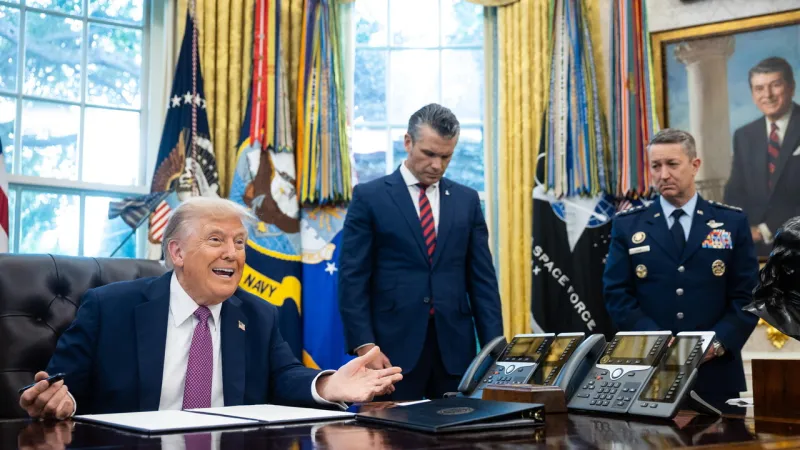
The reclassification occurs during President Donald Trump's administration, which has emphasized a strategic approach to foreign policy and military engagement. While the Pentagon maintains the change is purely administrative, the timing could invite political scrutiny regarding the administration's commitment to transparency in military affairs.
This episode highlights the broader challenges inherent in accurately reporting war casualties, particularly in complex, multi-theater conflicts where the line between combat and non-combat related deaths can be nuanced. The revised methodology could set a precedent for how future military deaths are categorized.
As the demand for clarity grows, the Pentagon faces pressure to provide a robust justification for its updated casualty figures. The controversy underscores the profound public interest in understanding the full spectrum of military sacrifice and the unwavering need for transparent government accounting in matters of war and peace.