 Edward DP Situmorang
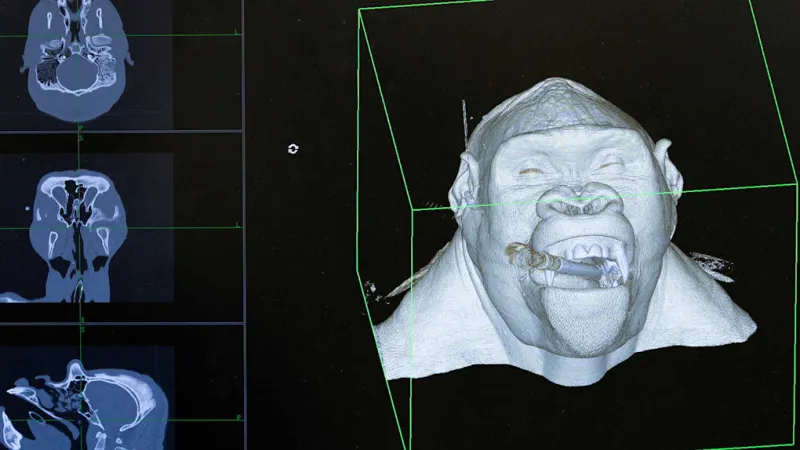
A groundbreaking and unprecedented skull operation recently saved Gorilla Mizani from a rare, life-threatening bone infection behind his ear. Veterinary surgeons performed the intricate procedure, enabling the primate to make a full recovery and resume his accustomed behavior, averting a potentially fatal outcome.
Experts identified the severe osteitis, or bone inflammation, as posing an immediate and grave danger to Mizani. Without swift and specialized intervention, the infection threatened to spread, leading to irreparable damage or even death for the silverback gorilla.
The complexity of such a surgical intervention on a large primate is immense. Gorilla anatomy presents unique challenges, requiring a deep understanding of neurosurgery and extensive experience with non-human patients. This particular procedure stood out globally for its pioneering nature.
A dedicated team of highly specialized veterinary surgeons, anesthesiologists, and support staff collaborated meticulously to plan and execute the delicate operation. Their collective expertise proved crucial in navigating the inherent risks associated with cranial surgery on a species of Mizani's stature.
Preparation for the surgery involved advanced imaging techniques to precisely map the infected area and surrounding cranial structures. This detailed mapping allowed the surgical team to develop a precise approach, minimizing trauma and optimizing the chances of success.
During the critical hours of the operation, the surgeons worked with extreme precision, carefully excising the infected bone while safeguarding vital neurological components. The intricate nature of the procedure underscored the specialized skills required for such a rare intervention.
In the immediate aftermath of the surgery, Mizani remained under intensive care, with veterinary staff closely monitoring his vital signs and neurological status. The first few days post-operation were critical for managing pain and preventing secondary infections.
Gradually, Mizani began to show promising signs of recovery. His appetite returned, and his activity levels steadily increased. These early indicators provided much-needed reassurance to the dedicated team overseeing his recuperation.
Today, Mizani exhibits his customary robust behavior, foraging, interacting with his social group, and displaying no lingering effects from the once-perilous infection. His full return to normalcy stands as a testament to the success of the pioneering medical intervention.
This triumph in veterinary medicine carries significant implications for primate conservation and care worldwide. It demonstrates the profound commitment to individual animal welfare and the continuous advancements in specialized surgical techniques available to endangered species.
The case of Gorilla Mizani will undoubtedly contribute valuable insights to the global scientific community, offering a template for addressing similar complex medical conditions in other large primates. The data gathered from this unique procedure will inform future veterinary practices and protocols.
The success underscores the vital role that zoos and primate sanctuaries play in species preservation, not only through breeding programs but also through providing cutting-edge medical care that can literally snatch individual animals from the brink of mortality.
This remarkable recovery story resonated widely, highlighting the extraordinary lengths to which conservationists and medical professionals will go to protect and preserve these magnificent creatures. Mizani's journey from severe illness to full health serves as an inspiring narrative of dedication and scientific achievement.