Dodi Irawan
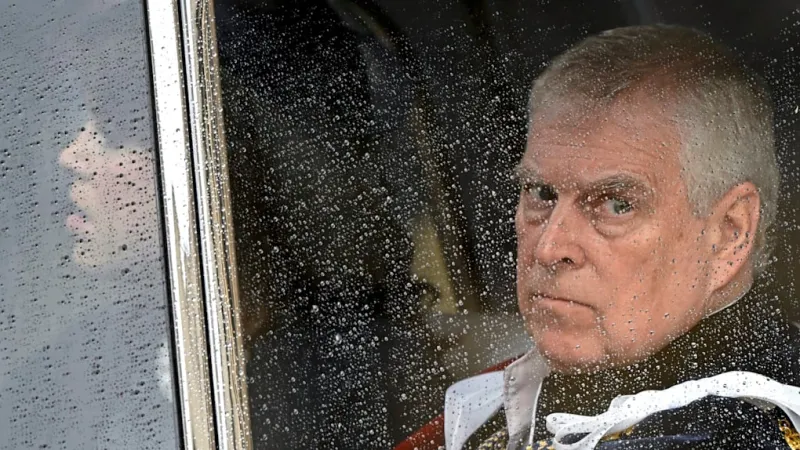
LONDON – British authorities have acknowledged that searches conducted on the property of Prince Andrew, the Duke of York and brother to King Charles III, were unlawful, marking a significant turn in the royal's persistent legal entanglements. Despite the invalidation of the original search warrants, investigators are seeking to retain what they deem critical evidence seized during these operations.
The admission from law enforcement officials comes after a review confirmed the procedural irregularities surrounding the initial execution of the warrants. The specific details regarding why the warrants were deemed unlawful have not been fully disclosed, but the concession represents a substantial development for a case that has drawn international scrutiny.
Prince Andrew has been embroiled in controversy for years, primarily due to his association with convicted sex offender Jeffrey Epstein. This latest disclosure adds another layer of complexity to the public and legal narrative surrounding the royal family's handling of the Duke of York's affairs.
While the original search orders have been revoked, prosecutors and investigators reportedly maintain that the evidence collected possesses significant probative value. Their request to retain these materials sets the stage for a potential legal battle over the admissibility and use of evidence obtained under an invalid warrant.
Legal experts suggest that the situation presents a delicate balance between upholding due process and the public interest in justice. Evidence procured illegally often faces rigorous challenges in court, with established precedents aiming to prevent law enforcement from benefiting from procedural missteps.
The implications of this decision could extend beyond the immediate case, potentially influencing future investigative practices and the interpretation of warrant procedures within the United Kingdom. It underscores the importance of stringent adherence to legal protocols, particularly in high-profile investigations involving prominent public figures.
The original warrants were believed to be connected to ongoing inquiries stemming from the broader investigation into Jeffrey Epstein's network. Prince Andrew has consistently denied any wrongdoing and has previously cooperated with law enforcement to varying degrees.
This new development reopens questions about the thoroughness and legality of initial investigative steps. The police's concession could be interpreted as an effort to pre-emptively address any future legal challenges to the evidence, attempting to secure its retention through alternative legal arguments.
Observers of the royal family and the justice system will be closely watching how the courts navigate this complex legal terrain. The outcome could set a precedent for similar situations where technical errors by authorities intersect with the pursuit of justice.
The public disclosure has once again brought Prince Andrew's name to the forefront of national and international headlines, reminding many of the unresolved questions and controversies that have shadowed him for years. The pursuit of evidence, even if initially obtained irregularly, signifies an ongoing commitment to uncovering all facts pertaining to the broader case.
Retaining the evidence, despite the flawed warrants, would likely involve arguments of independent source, inevitable discovery, or good faith, though the specifics of the police's legal strategy remain under wraps. Each of these doctrines has distinct legal thresholds that must be met for evidence to be considered admissible in court.
The transparency of the police in admitting their error, while laudable in principle, does not automatically validate the evidence's future use. The judiciary will be tasked with weighing the necessity of preserving justice against the imperative of upholding fundamental legal rights and due process.
This legal twist further highlights the intricate challenges involved in investigating cases that span international jurisdictions and involve individuals of significant public standing. The scrutiny on both the investigative process and the individuals involved remains intense.