 Dodi Irawan
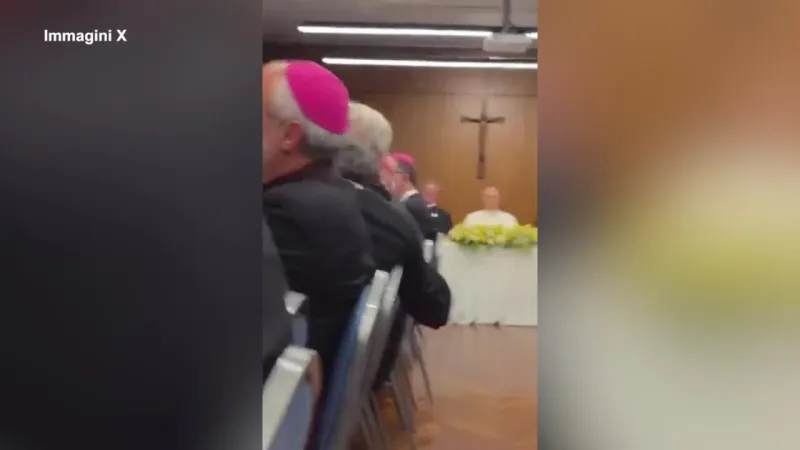
VATICAN CITY – Pope Francis recently shared a poignant moment with a delegation of Argentine bishops, who serenaded him with a heartfelt rendition of Carlos Gardel's iconic tango, “Volver,” during a private dinner. A video of the unexpected performance quickly went viral, capturing the pontiff’s visibly moved reaction as he smiled knowingly and applauded the musical tribute from his compatriots.
The unscripted scene unfolded with a warmth seldom witnessed in official Vatican settings, offering a rare glimpse into the personal connections that often underpin diplomatic and spiritual engagements. The Argentine bishops’ musical offering served as a powerful reminder of Pope Francis’s deep roots in his homeland, bridging the formal solemnity of his office with a touch of shared cultural heritage.
The chosen song, “Volver,” which translates to “to return” or “to come back,” holds immense significance in Argentine culture and beyond. Composed by the legendary Carlos Gardel, a global icon of tango, the song speaks of the bittersweet melancholy of returning after years away, of finding things changed but memories enduring. Its lyrics resonate deeply with themes of nostalgia, longing, and the immutable passage of time.
For Pope Francis, born Jorge Mario Bergoglio in Buenos Aires, the melody and lyrics undoubtedly carried a profound personal weight. His elevation to the papacy in 2013 marked a significant departure from his life in Argentina, transforming him into a global spiritual leader while still embodying the spirit of his origins. The serenade could be seen as an echo of his own journey, a reminder of the home he left behind but to which his heart often returns.
In the widely circulated footage, the bishops, gathered around a dinner table, commenced their impromptu performance. Their voices, though perhaps not professionally trained, carried a sincerity that transcended technical perfection. As the familiar strains of the tango filled the room, Pope Francis observed with an expression of quiet contemplation, a gentle smile gradually spreading across his face, culminating in appreciative applause.
This informal interaction underscores a hallmark of Pope Francis’s papacy: his emphasis on personal connection and human warmth. He has consistently sought to break down traditional barriers, fostering an environment where authentic human moments can emerge, even within the historically rigid confines of the Vatican. Such gestures humanize the pontiff, making him more relatable to the global Catholic faithful.
The Argentine bishops’ initiative was not merely a musical performance but a cultural exchange, an affirmation of shared identity. Tango, often described as a melancholic thought that dances, is more than just a dance or music genre; it is an integral part of Argentina’s national soul, embodying its history, passions, and resilience. To share this with their most famous compatriot, now the leader of the universal Church, was a gesture of profound respect and affection.
Observers worldwide responded enthusiastically to the video, praising the genuine emotion displayed. Social media platforms buzzed with comments highlighting the beauty of the moment, with many noting how the scene offered a refreshing contrast to the often-stern imagery associated with religious authority. It resonated as a testament to the enduring power of culture and personal bonds.
The event also subtly reinforces the global reach and diverse cultural tapestry of the Catholic Church. While Rome remains its spiritual center, the Church’s leadership and faithful come from every corner of the world, bringing their unique traditions and expressions of faith. Moments like this highlight the vibrant cultural mosaic that comprises the modern Church.
Such impromptu gestures often leave a more lasting impression than formal pronouncements. The image of the Pope, smiling and applauding a tango, will likely endure in the public consciousness as a symbol of his approachability and his enduring love for his homeland. It speaks volumes about the human spirit that resides within the highest echelons of spiritual leadership.
The serenade, therefore, transcended a simple musical interlude. It became a powerful, widely shared narrative about identity, homecoming, and the unexpected moments of joy and nostalgia that connect individuals, regardless of their station. The Argentine bishops crafted a memory that will resonate far beyond the Vatican walls.