 Dodi Irawan
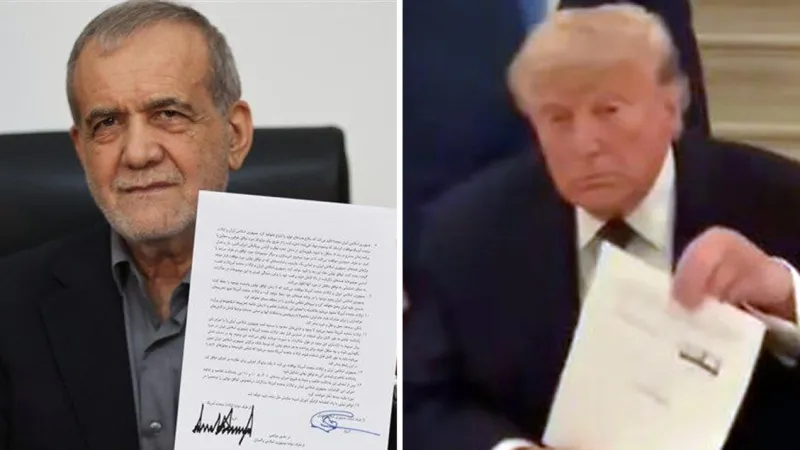
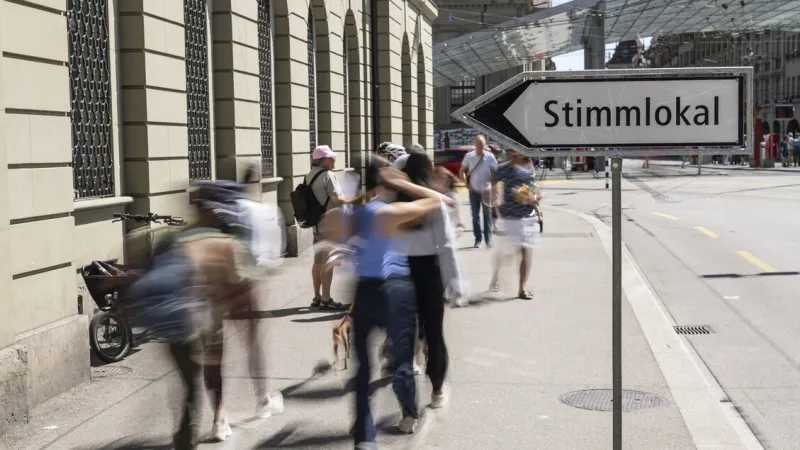
BERN, Switzerland – President Donald Trump announced today that he has signed a landmark agreement with Iran, a move echoed by Iranian President Pezeshkian who hailed it as a "historic document." The official signing ceremony, held in a discreet location in Switzerland, marks a significant diplomatic breakthrough expected to reshape geopolitical dynamics and international trade as the Strait of Hormuz reopens for shipping.
Speaking after the signing, President Trump stated, "I signed the agreement with Iran," underscoring the culmination of intense, previously undisclosed negotiations. Iranian President Pezeshkian, present at the Swiss event, emphasized the pacts enduring significance, describing it as a "historic document" that promises a new chapter for regional stability and international cooperation.
The agreement has already triggered tangible economic shifts. Notably, the critical Strait of Hormuz, a choke point for global oil shipments, has been reopened to maritime traffic. This development alleviates long-standing concerns about supply chain disruptions and volatile energy prices, immediately signaling a boost for the global economy. For more details on this aspect, see Hormuz Strait Reopens: US-Iran Accord Ignites Global Economic Hopes.
Italian Foreign Minister Antonio Tajani confirmed the swift impact of the reopening, reporting that a Grimaldi Group vessel was among the first to navigate through Hormuz. "The Grimaldi ship was among the first to cross Hormuz after the reopening," Tajani stated, highlighting the immediate resumption of commercial shipping crucial for European and Asian trade routes.
Despite the diplomatic optimism surrounding the Iran accord, regional security concerns persist. The Israel Defense Forces (IDF) reiterated its commitment to maintaining a presence in southern Lebanon. An IDF spokesperson affirmed, "We will continue to maintain our presence in southern Lebanon," indicating that the broader security landscape remains complex and dynamic even amidst thawing US-Iran relations.
The choice of Switzerland as the venue for this momentous signing underscores its traditional role as a neutral facilitator in international diplomacy. The secrecy surrounding the preliminary discussions and the eventual ceremony itself allowed both sides to finalize the intricate details away from immediate public and media scrutiny, ensuring the delicate negotiations could progress unimpeded.
While specific clauses of the agreement remain under wraps, analysts speculate the deal encompasses critical areas such as nuclear oversight, economic sanctions relief, and regional de-escalation protocols. The "historic document" likely outlines a framework for verification and compliance, aiming to build confidence between Tehran and Washington.
Initial reactions from world capitals have been cautiously optimistic, with many leaders commending the diplomatic efforts to resolve one of the worlds most entrenched geopolitical standoffs. The prospect of reduced regional tensions and a more stable energy market has been widely welcomed, though skepticism about long-term implementation lingers in some quarters.
Challenges undoubtedly lie ahead. The intricate process of implementing such a wide-ranging accord will demand sustained diplomatic engagement and robust oversight mechanisms. Previous attempts at similar agreements have demonstrated the fragility of such pacts in the face of shifting political landscapes and unforeseen regional developments.
The agreement holds profound implications for the wider Middle East, potentially influencing other regional conflicts and alliances. It could pave the way for broader dialogue on security architectures, though the IDF's continued posture in Lebanon serves as a potent reminder of the enduring volatility in the Levant.
For President Trump, this accord represents a significant foreign policy achievement in his current term, building upon previous efforts to broker peace. It adds to a legacy of bold diplomatic initiatives, including earlier efforts to forge a Historic Middle East Peace Accord at G7 Summit.
From Irans perspective, the agreement offers a pathway out of economic isolation and potential for reintegration into the global financial system. President Pezeshkians emphasis on a "historic document" suggests a domestic imperative to present the accord as a victory for Iranian diplomacy and national interests.
As the world watches, the success of this agreement will hinge on sustained commitment from both the United States and Iran, alongside the active participation of international bodies tasked with monitoring its provisions. The coming months will provide crucial insights into its practical efficacy and long-term viability.