 Robert Andrison
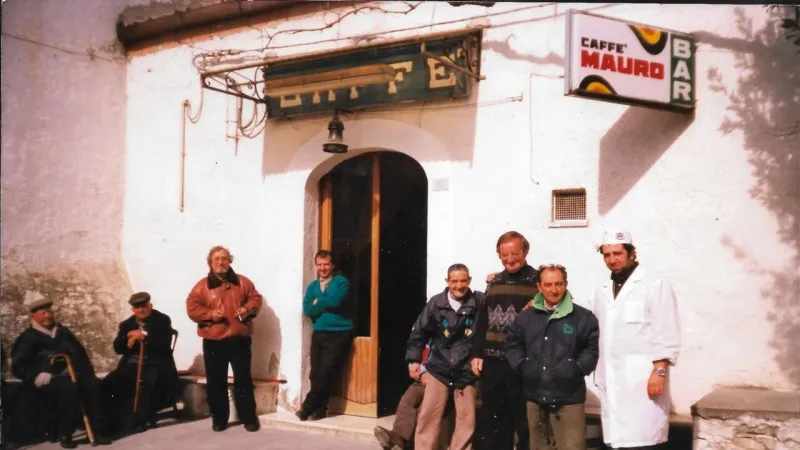
Puglia, Italy – A small, unnamed municipality in the southern Italian region of Puglia has revitalized its social fabric by transforming a historic bar, which ceased operations after an impressive 138 years, into a dynamic, community-managed hub. The initiative, named ce vedeme o caffè, emerged from a collective desire to preserve a vital gathering point for residents, echoing successful models observed in France. This innovative pivot ensures the village retains its heart despite the commercial closure, fostering a renewed sense of local resilience.
The closure of the venerable establishment, a fixture for generations, initially cast a pall over the village. For nearly a century and a half, the bar had served as more than just a place for refreshments; it was an unofficial town hall, a news conduit, and the quintessential meeting spot where daily life unfolded. Its doors closing represented not merely a business failure, but a potential void in the communitys social infrastructure.
Recognizing the profound impact of this loss, local residents mobilized, refusing to allow their village to become another casualty of changing economic landscapes that often leave rural areas bereft of essential services and social spaces. The idea of a collectively managed alternative quickly gained traction among community members.
This burgeoning concept led to the creation of ce vedeme o caffè, a phrase in the local dialect that translates to “we see each other at the coffee.” The name itself encapsulates the core purpose of the new space: to serve as an informal, welcoming venue where villagers can continue their daily interactions, share news, and simply connect over a beverage.
Unlike its commercial predecessor, ce vedeme o caffè operates not for profit, but for community benefit. It functions as a self-managed space, with volunteers from the village taking responsibility for its day-to-day operations, including serving drinks, maintaining the premises, and organizing activities. This cooperative model fosters a strong sense of ownership and collective responsibility among its patrons.
The blueprint for this unique Apulian venture drew inspiration from a similar community project initiated in France. This cross-border exchange of ideas highlights a growing trend across Europe where local populations are finding innovative solutions to maintain social cohesion in the face of declining rural services and traditional businesses. The success of such French initiatives provided a practical framework and encouraged the Puglian community to pursue their vision.
This adaptation of a successful European model demonstrates how villages can proactively address local challenges, rather than passively accepting the erosion of their social amenities. The French inspiration likely offered insights into sustainable management, volunteer engagement, and creating an inclusive atmosphere, all critical components for ce vedeme o caffè. One might consider how such community initiatives parallel broader discussions on local aid and social support, as seen in efforts like the crucial back-to-school aid reaching millions of French families.
The establishment of ce vedeme o caffè has rapidly transformed it into the undisputed heart of the village. It hosts impromptu gatherings, local discussions, and even small cultural events, proving that a space driven by collective spirit can offer far more than a purely commercial enterprise. This initiative stands as a testament to the power of grassroots movements in preserving cultural identity and fostering community bonds.
In an era where many small Italian towns grapple with depopulation and the loss of essential services, the Puglia project offers a hopeful counter-narrative. It shows that with ingenuity and collective effort, communities can not only adapt to change but thrive by reinventing their local landscapes. This model could potentially inspire other struggling rural areas across Italy, much like communities adapt to economic shifts highlighted by topics such as the Italian grape harvest prioritizing quality over record output.
The long-term sustainability of ce vedeme o caffè will depend on continued volunteer engagement and financial contributions, however modest, from its patrons. The communitys demonstrated commitment during its initial phase suggests a strong foundation for endurance. This resilience is particularly poignant in a region rich in history and tradition, where maintaining local identity is paramount.
Ultimately, the tale of the shuttered bar and its community-led revival in Puglia is a compelling story of human connection triumphing over commercial forces. It exemplifies how the seemingly simple act of creating a shared space can weave the fabric of a village tighter, ensuring that the spirit of gathering, passed down through generations, continues to flourish.