 Angel Doris
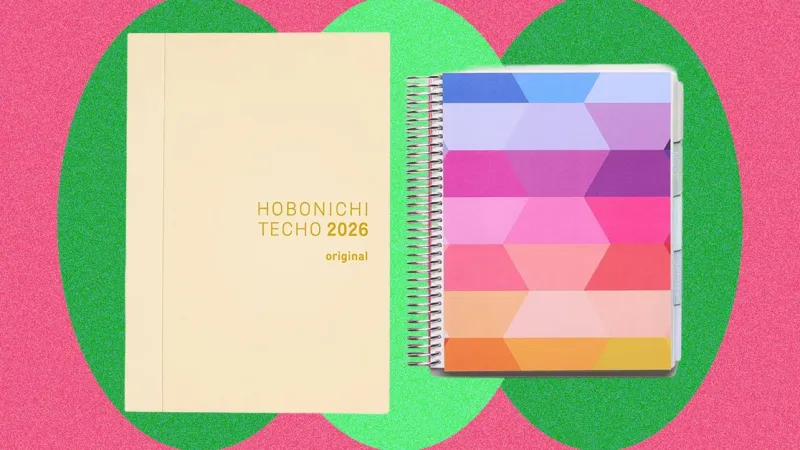
WASHINGTON – As digital fatigue increasingly impacts daily productivity, a resurgence in traditional paper planning is prompting experts to champion physical agendas for 2027, with Roterunner, Hobonichi, and Cloth & Paper emerging as frontrunners in rigorous industry evaluations. These acclaimed brands offer a tactile, distraction-free environment crucial for effective time management and goal achievement, fundamentally reshaping personal organization strategies as the new year approaches.
The widespread reliance on digital calendars, while convenient, often introduces myriad distractions from notifications and multitasking. Many individuals report a persistent sense of being overwhelmed rather than organized, prompting a collective reevaluation of their planning methodologies. This sentiment fuels the renewed interest in analog tools that promote focused attention.
Neuroscience increasingly suggests that the act of physically writing enhances memory retention, cognitive processing, and goal commitment. Unlike typing on a screen, the deliberate strokes of pen on paper engage different parts of the brain, fostering a deeper connection to scheduled tasks and long-term aspirations. This cognitive advantage forms a core argument for the efficacy of paper planners.
Roterunner, known for its minimalist design and robust binding, offers a structured yet adaptable framework for diverse planning needs. Its layout prioritizes clarity and intentionality, providing ample space for both daily schedules and reflective journaling, appealing to those who seek a blend of pragmatism and personal insight in their organizational tools.
Hobonichi, a Japanese brand with a cult following, stands out for its Tomoe River paper, celebrated for its ultra-thin yet ink-resistant properties. Its daily pages, featuring subtle grids and encouraging prompts, transform routine planning into a creative endeavor, catering to users who appreciate aesthetic quality alongside practical functionality.
Cloth & Paper distinguishes itself with a modular, customizable system, allowing users to select inserts and accessories tailored precisely to their workflow. From goal-setting templates to financial trackers, its sophisticated approach appeals to professionals and creatives who demand flexibility and elegance in their organizational systems.
These selections are not arbitrary; they reflect intensive evaluation. Industry experts, including those from leading technology publications, conducted extensive hands-on testing of dozens of forthcoming 2027 planners. The criteria focused on durability, usability, paper quality, design innovation, and overall effectiveness in fostering productivity and reducing stress. The chosen models consistently outperformed their digital counterparts in real-world scenarios.
While digital tools offer synchronization and accessibility, they inherently invite digital distractions, from email alerts to social media notifications, fragmenting attention. This contrasts sharply with the dedicated focus that paper planners command. The quest for enhanced productivity often involves mitigating these digital pitfalls, sometimes even leveraging technology like AI OATs to Nudge Better Habits, yet the foundational act of planning remains distinct.
The resurgence of high-quality paper planners is part of a broader trend favoring analog experiences in a hyper-digital world. From vinyl records to film photography, consumers are increasingly seeking tangible, intentional engagements that offer a respite from endless screens and ephemeral digital interactions. This movement reflects a desire for deeper connection and mindful practice.
Market analysts predict a robust demand for these premium paper organizational tools leading into 2027. Consumers are demonstrating a willingness to invest in tools that genuinely enhance their well-being and efficiency, recognizing the long-term benefits of a structured, distraction-free approach to their schedules and objectives.
Dr. Evelyn Reed, a prominent organizational psychologist at the Institute for Behavioral Studies, noted during a recent symposium, "The physical act of writing down our plans creates a cognitive commitment that digital entries simply cannot replicate. It fosters a sense of ownership and reduces the likelihood of tasks being forgotten or perpetually deferred."
Beyond mere scheduling, these planners often become personal repositories for ideas, reflections, and achievements. The ritual of daily or weekly planning becomes a meditative practice, providing a moment of calm and clarity amidst a demanding world. This personalization elevates the planner from a utility to a cherished personal artifact.
As 2026 draws to a close, anticipation for the 2027 planner lines is palpable among productivity enthusiasts. The ongoing evolution of these analog instruments, integrating user feedback and ergonomic design principles, promises continued relevance in an increasingly complex digital landscape.