Angel Doris
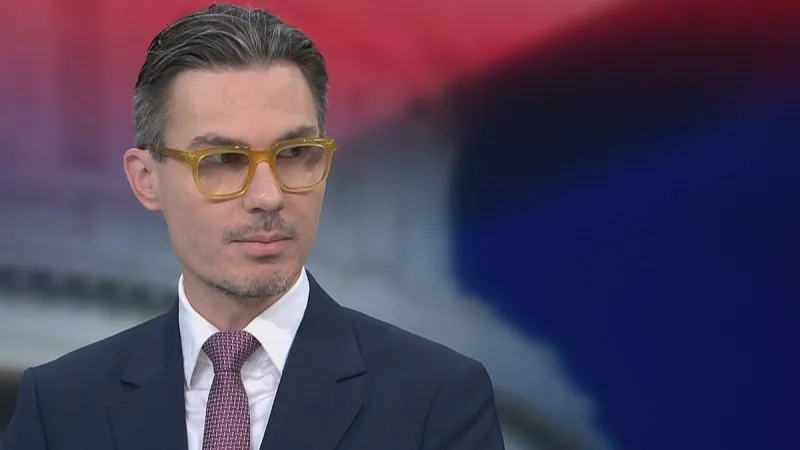
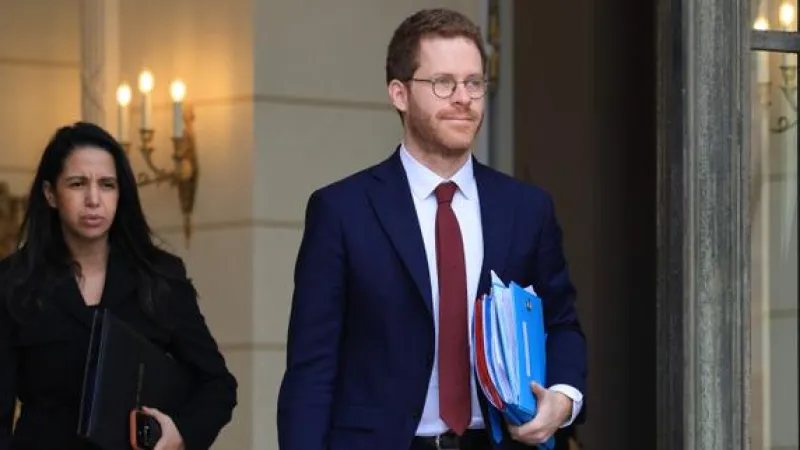
WASHINGTON – The Republican Party is confronting a seismic internal transformation, as simmering tensions surrounding President Donald Trump have reached a critical juncture, according to a prominent political observer. Armin Petschner-Multari, the Managing Director of The Republic, asserted that the recent political outcomes have led to a complete rupture of previously contained divisions within the GOP.
Petschner-Multari stated, “At this result, all dams are breaking now,” in reference to the complex relationship many Republicans hold with President Trump. His observation underscores a deep-seated discord now overtly challenging the party's cohesion and future direction in 2026.
This pronouncement comes amid a period of intense introspection for the Republican Party, which has grappled with defining its identity in the Trump era. While President Trump continues to command significant loyalty among a large segment of the base, a vocal minority and an increasing number of establishment figures have expressed reservations or outright opposition.
The Managing Director's analysis points to more than just transient disagreements. Instead, it highlights a fundamental divergence in ideology and strategy that has been percolating beneath the surface of party unity for years, now made undeniable by recent electoral performances and legislative battles.
The implications of such a profound shift are far-reaching. A fractured Republican Party could struggle to present a united front in upcoming national and local elections, potentially impacting its ability to garner broader support and effectively counter political adversaries.
Historically, major parties have endured internal conflicts, yet the current schism appears particularly potent due to the dominant influence of President Trump and the passionate debates his leadership continues to ignite among different party factions.
Observers note that the intensity of these internal struggles could redefine the party platform, influence candidate selections in future primaries, and potentially alter the demographic appeal of the GOP as it seeks to maintain its relevance.
Recent electoral cycles have provided glimpses into these internal stresses. For instance, reports like Musk's $400 Million Midterm Bet Ignites in Republican Losses have highlighted the financial and strategic miscalculations that have exacerbated existing vulnerabilities within the Republican electoral machine.
While the specific catalyst for Petschner-Multari's latest remarks remains tied to an unspecified “result,” the cumulative effect of various political developments throughout President Trump's tenure appears to have brought these long-standing tensions to a head. This suggests a critical turning point rather than an isolated event.
Such an internal reckoning demands that Republican leaders carefully navigate the intricate dynamics of their diverse coalition. The challenge lies in either bridging the ideological chasms or accepting a permanent redefinition of what it means to be a Republican in contemporary American politics.
The discourse now extends beyond mere policy differences to fundamental questions of party values, leadership, and the strategic path forward. The outcome of this internal struggle will undoubtedly shape the political landscape for years to come, influencing everything from legislative priorities to presidential campaigns.
Analysts are keenly watching whether this period of upheaval will lead to a clearer, more unified party vision or if it will cement a lasting division, potentially giving rise to new political configurations or realignments within the American two-party system.
The process of transformation, as described by Petschner-Multari, is not merely superficial. It suggests a fundamental questioning of foundational principles and alliances, indicating that the Republican Party could emerge from this period significantly altered from its previous iterations.
Understanding these internal dynamics is crucial for grasping the broader American political narrative in 2026. The future trajectory of the Republican Party, and by extension, the national political discourse, hinges on how these profound internal shifts are managed and ultimately resolved.