 Dorry Archiles

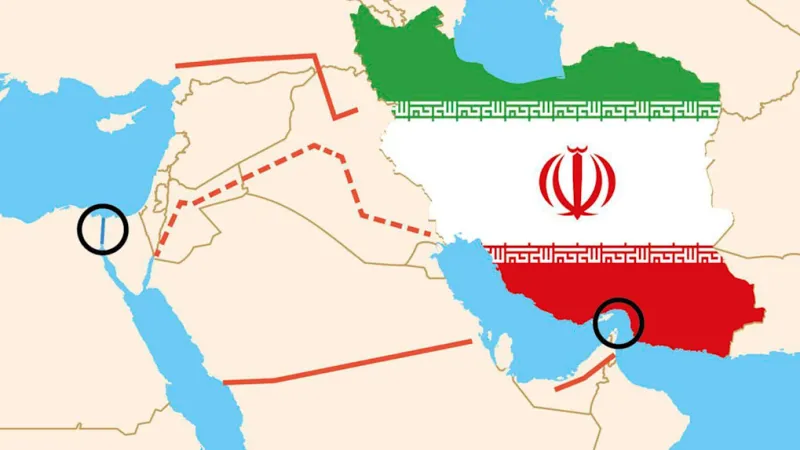
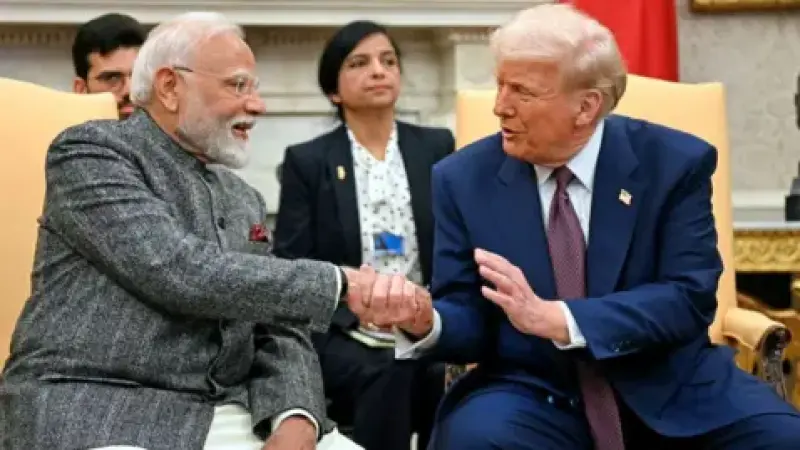
WASHINGTON — President Donald Trump's administration is reportedly nearing a new nuclear and economic agreement with Iran, a development fiercely criticized by influential Republican hawks in Congress and foreign policy circles who have labeled the potential accord a "disastrous mistake" that could undermine American security and destabilize the Middle East.
The emerging deal, which remains largely undisclosed in its specifics, aims to redefine U.S.-Iran relations following years of heightened tensions and President Trump’s 2018 withdrawal from the Joint Comprehensive Plan of Action (JCPOA), a multilateral nuclear agreement with Tehran. Concerns are escalating among conservative lawmakers who argue any concession to the Iranian regime risks emboldening its regional aggression and nuclear ambitions.
Senator Tom Cotton, a vocal critic of past Iran diplomacy, stated publicly that "negotiating with Iran while they continue their malign activities sends a dangerous signal." Other prominent Republican figures, including Senator Ted Cruz, have echoed these sentiments, insisting that the United States must maintain maximum pressure on Tehran.
These Republican voices contend that granting sanctions relief or international legitimacy to Iran, even under new terms, would provide the regime with crucial funds it could divert to its proxy forces across the region, including in Yemen, Syria, and Lebanon, thereby exacerbating existing conflicts.
The White House, however, defends its diplomatic overtures as a pragmatic path to de-escalation and a "better deal" than previous agreements. Officials close to the administration suggest President Trump is seeking a long-term framework that addresses not only nuclear proliferation but also ballistic missile development and regional security concerns more comprehensively.
Sources familiar with the negotiations, speaking on condition of anonymity, indicate the proposed agreement might involve a phased lifting of some economic sanctions in exchange for stringent new limitations on Iran's uranium enrichment program and enhanced international inspections.
Regional allies, particularly Israel and Saudi Arabia, have privately expressed deep apprehension regarding any deal that does not fundamentally dismantle Iran's nuclear infrastructure or curb its support for militant groups. Israeli Prime Minister Benjamin Netanyahu has reportedly conveyed his nation's profound concerns directly to the Trump administration.
The current diplomatic push marks a significant pivot from the "maximum pressure" campaign initiated by President Trump following his exit from the JCPOA. That strategy aimed to cripple Iran's economy and force it back to the negotiating table on more favorable U.S. terms.
Critics of the impending deal point to Iran's recent uranium enrichment advancements and its refusal to cooperate fully with the International Atomic Energy Agency (IAEA) as evidence that the regime cannot be trusted. They argue that any agreement must secure irreversible concessions before sanctions are eased.
Conversely, proponents within the administration argue that continued isolation and economic pressure alone have not yielded the desired behavioral changes, making a diplomatic pathway essential to prevent further escalation and potential military confrontation in the Persian Gulf.
The domestic political landscape also plays a role, with some analysts suggesting the administration seeks a foreign policy achievement ahead of future electoral cycles. However, the deep divisions within the Republican Party highlight the contentious nature of engaging with Iran.
For the Republican hawks, the "disastrous mistake" would be a deal that effectively legitimizes Iran's current leadership, provides it with economic lifelines, and fails to permanently neutralize its potential to develop nuclear weapons, while leaving its ballistic missile program largely intact.
They argue that such a deal would betray U.S. allies in the region and ultimately empower a hostile adversary, leading to greater instability and increased threats to American interests and personnel abroad.
White House press secretary Sarah Sanders reiterated President Trump’s commitment to "only pursue deals that safeguard American interests and promote global security," without directly commenting on the specifics of ongoing negotiations.
The international community watches closely, with European powers generally welcoming diplomatic efforts but emphasizing the need for robust verification mechanisms similar to those in the original JCPOA. China and Russia have also voiced support for a negotiated solution.
The coming weeks are expected to reveal more details of the proposed accord, setting the stage for a vigorous debate in Washington and across international capitals about the efficacy and long-term consequences of President Trump's latest diplomatic initiative with Iran.