 Dodi Irawan
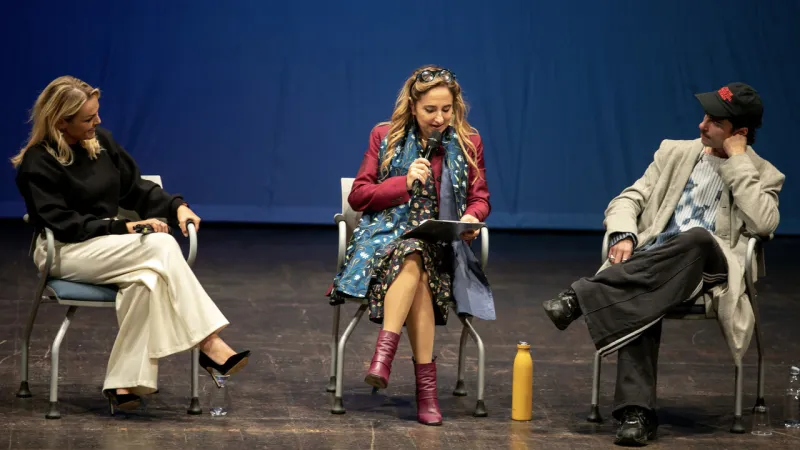
Rome is poised to host the highly anticipated ReWriters Fest, a pivotal cultural event scheduled from November 19 to 22, 2026. Organizers announced that the festival, renowned for its unique blend of institutional discourse and pop culture engagement, will feature singer-songwriter Giordana Angi as its godmother, while activist and politician Vladimir Luxuria is slated to receive the prestigious ReWriters Award 2026.
Fabio Romanelli, a key figure behind the ReWriters Fest, underscored the event's unique position as a truly transversal platform. He highlighted its deliberate effort to forge connections between established institutions and the vibrant, ever-evolving landscape of pop culture. This approach aims to dismantle traditional silos and foster a more inclusive and dynamic dialogue on contemporary issues.
The festival's core mission revolves around inspiring new narratives and challenging conventional thought, reflecting a societal need to bridge formal structures with popular sentiment. This blend is particularly pertinent in an era where cultural consumption increasingly shapes public discourse and understanding.
Vladimir Luxuria, a prominent Italian personality, will be honored with the ReWriters Award 2026. Her selection acknowledges a career defined by groundbreaking activism, political engagement, and a powerful voice in advocating for human rights, particularly within the LGBTQ+ community. Luxuria’s journey from a member of the Italian Parliament to a beloved media figure exemplifies the very transversal spirit the festival champions.
Her contributions extend beyond policy and advocacy; she has consistently utilized various cultural platforms to broaden public understanding and acceptance, making her an exemplary recipient who embodies the festival's vision of impactful communication across diverse societal strata.
The appointment of Giordana Angi as the festival's godmother brings a compelling contemporary musical voice to the forefront. Known for her lyrical depth and emotive performances, Angi represents the pulse of modern Italian pop music, ensuring the ReWriters Fest resonates with a broad, contemporary audience. Her presence underscores the festival's commitment to integrating popular artistic expressions into its intellectual framework.
Angi's involvement highlights the idea that profound discussions are not confined to academic or institutional settings but can thrive within the realm of popular entertainment. This aligns with a growing global trend of cultural events seeking to bridge seemingly disparate art forms and dialogues.
The ReWriters Fest has rapidly established itself as an essential fixture in Italy’s cultural calendar, consistently attracting thought leaders, artists, and the public alike. Its return signals a renewed opportunity for critical reflection and celebration of diverse perspectives, underscoring the power of culture to drive social evolution.
Rome, with its indelible legacy as a cradle of both ancient civilization and modern artistic expression, provides an ideal backdrop for such an ambitious undertaking. The city itself embodies the intersection of tradition and innovation, mirroring the festival's objectives.
The November event promises a rich program of discussions, performances, and interactions designed to engage attendees across generations and backgrounds. It seeks to explore how new narratives can emerge when institutions openly embrace and learn from the dynamism of pop culture.
The recognition of trailblazers like Luxuria also resonates with broader trends in Italian society that increasingly celebrate individuals who challenge norms and contribute to a more inclusive national identity, much like the recent honor bestowed upon iconic Italian comedian Anna Marchesini.
Anticipation for the ReWriters Fest is high, with organizers expecting a vibrant turnout. The combination of compelling themes, high-profile personalities, and a thoughtfully curated program positions the festival as a significant cultural happening for 2026, solidifying its role in shaping Italy's cultural discourse. The festival serves as a critical barometer of how contemporary society navigates the complex interplay between established structures and emergent cultural forces.