 Dorry Archiles
An MDR reporter returning to Romanian villages after an eight-year absence has uncovered a stark economic divergence, witnessing unexpected prosperity with new houses and luxury vehicles in Romania, even as German municipalities grapple with overwhelmed services and resident discontent stemming from migration dynamics.
The reporter, embarking on a follow-up assignment, found herself marveling at the visible signs of wealth in what were once modest communities. Homes featuring contemporary architecture stood proudly, while the roads showcased an increasing number of high-end automobiles, indicators of significant economic uplift.
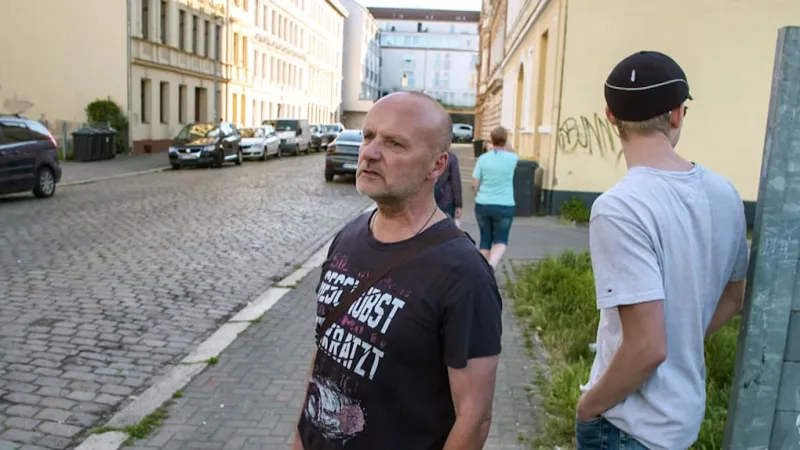
This newfound affluence in Romania stands in sharp contrast to the situation observed in various German localities. Here, the reporter encountered a palpable sense of exhaustion among public officials and a growing frustration among long-term residents, struggling with the perceived strain on local infrastructure and social cohesion.
The economic transformation in the Romanian countryside is largely attributed to remittances sent home by a substantial diaspora working abroad, particularly in wealthier Western European nations like Germany. This financial infusion has acted as a catalyst for local development and individual prosperity.
For many Romanian families, the ability to work in Germany or other EU countries offers opportunities for higher wages and improved living standards, which they then reinvest in their homeland. One resident remarked that this influx of resources is like a treasure for our country and our children from Romania.
Conversely, the influx of new residents, while often filling labor gaps in Germany, presents significant challenges for municipal governments. Housing shortages, overburdened schools, and stretched social welfare programs are common grievances voiced by local administrators.
German residents, too, express their concerns. Instances of public services struggling to keep pace with demand or cultural integration challenges often fuel resentment, leading to vocal demands for political intervention and better resource management.
The MDR report underscores a complex, two-sided coin of European migration. While it empowers individuals and transforms sending communities, it simultaneously places considerable pressure on the receiving societies, necessitating nuanced policy responses from both national and European authorities.
This dynamic highlights the interconnectedness of European economies and societies. The benefits reaped in one region directly contribute to the challenges faced in another, illustrating the fluid and often unpredictable nature of modern demographic shifts.
Local German officials are increasingly calling for greater support from federal and state governments to manage the demographic changes effectively. They advocate for increased funding for social infrastructure, language integration programs, and housing initiatives to alleviate the burden on local taxpayers and services.
In Romania, the sustained flow of remittances has led to improved living conditions, better educational opportunities for children, and a renewed sense of hope for the future. The visible improvements are a testament to the sacrifices and hard work of those living abroad.
The report serves as a compelling narrative of globalization's uneven impacts within the European Union, demonstrating how labor mobility can dramatically alter economic landscapes on both ends of the migratory corridor, producing both growth and strain simultaneously.
Policymakers across the EU are increasingly recognizing the need for comprehensive strategies that address both the benefits and the inherent challenges of intra-European migration, aiming for solutions that foster sustainable development and social harmony in all member states.