Robert Andrison
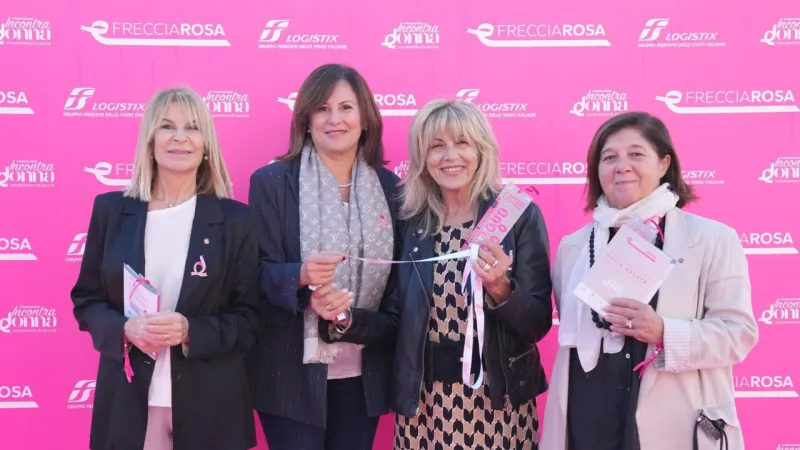
Rome — The Frecciarosa initiative has commenced a vital public health campaign at Scalo San Lorenzo, extending crucial vaccination and health screening services to women across the Lazio region. This collaborative endeavor, spearheaded by FS Logistix in partnership with ASL Roma 1 and Sapienza University, underscores a commitment to accessible preventative healthcare, directly addressing the well-being of the female population in the capital.
Known for its broader commitment to social responsibility, the Frecciarosa program, often associated with Italy's railway network, leverages its logistical capabilities to bring essential medical services closer to communities. This particular outreach epitomizes a proactive approach to public health, transforming a logistics hub into a temporary wellness center for an important cause.
Participants can access a range of preventative health measures, including vaccinations against common ailments and various diagnostic screenings. While specific details were not provided, such initiatives typically encompass early detection for conditions prevalent among women, fostering a culture of health awareness and timely medical intervention.
The selection of FS Logistix at Scalo San Lorenzo as the operational base highlights an innovative use of infrastructure. By utilizing a readily accessible urban location, the program minimizes barriers that often deter individuals from seeking medical attention in traditional clinical settings, enhancing convenience for busy residents.
ASL Roma 1, the local health authority for the city, provides the necessary medical expertise and personnel to ensure the highest standards of care. Their involvement guarantees that all services, from consultations to immunizations, comply with national health guidelines and are administered by qualified healthcare professionals.
Sapienza University, a venerable institution renowned for its medical faculty, contributes academic rigor and potentially clinical support to the Frecciarosa program. This partnership often translates into the latest medical protocols being applied, and it may also involve the participation of medical students, offering valuable practical experience while expanding the outreach capacity.
The initiative aims to significantly impact the health outcomes of women in Rome by facilitating early detection of diseases and promoting immunization. Such programs are particularly vital for individuals who may face economic or logistical hurdles in accessing routine medical check-ups, thereby reducing health disparities within the metropolitan area.
Italy's healthcare system, celebrated for its universal access, frequently integrates such regional and collaborative efforts to bolster its foundational services. This Frecciarosa project aligns with broader national objectives to strengthen preventative medicine and health education, reinforcing the public health infrastructure across the peninsula.
A strong emphasis on prevention remains paramount in modern healthcare. By offering these services proactively, the Frecciarosa program seeks to mitigate the progression of illnesses, reduce the burden on acute care facilities, and ultimately improve the long-term quality of life for women receiving care.
The success of initiatives like Frecciarosa at Scalo San Lorenzo could serve as a blueprint for similar collaborations in other Italian cities, showcasing how diverse public and private entities can converge to meet critical societal needs. Expanding this model could further decentralize healthcare access, making preventative care a standard rather than a privilege.
Ultimately, the Frecciarosa program embodies a practical and compassionate approach to women's health. It underscores the power of synergy between corporate logistics, municipal health services, and academic institutions in fostering a healthier, more resilient community, one screening and vaccination at a time.