Gabriella
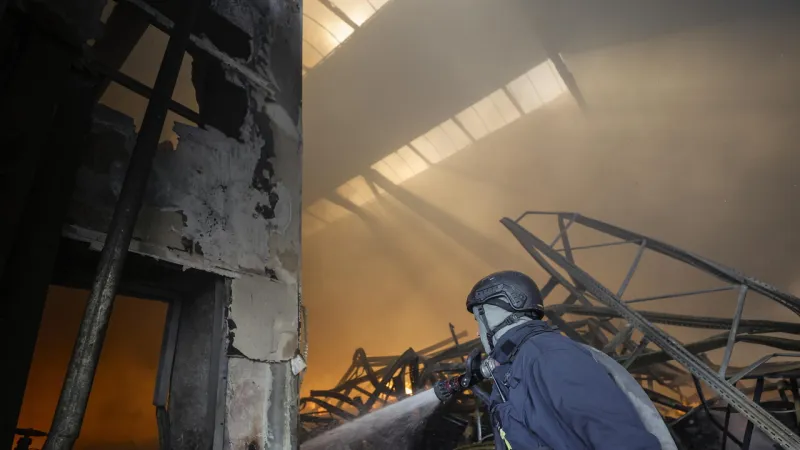
Russian forces unleashed a barrage of drone attacks across Ukraine for the seventh consecutive night, severely injuring 17 civilians in the southern port city of Odesa and targeting critical infrastructure in the capital, Kyiv. The sustained aerial assaults, which occurred overnight, underscore Moscows relentless strategy to destabilize Ukrainian urban centers and military logistics amidst the ongoing conflict.
Authorities in Odesa reported significant damage to residential buildings and civilian infrastructure following direct hits. Emergency services responded swiftly to multiple impact sites, working to provide medical aid and assess the full extent of the destruction in the crucial Black Sea region.
Ukrainian Air Defense Command confirmed the interception of numerous incoming unmanned aerial vehicles, primarily Iranian-made Shahed drones, over various regions. Despite successful interceptions, the sheer volume of Ukraine raids continues to pose substantial challenges for the nations protective systems.
Kyiv city military administration also reported drone activity over the capital, with air defense units engaging targets throughout the night. While initial reports indicated no immediate casualties or major damage within Kyiv, residents endured hours of air raid sirens and the sounds of explosions as defenses activated.
These continued targeting of civilian areas and energy facilities is a recurring pattern in Russias military campaign. International observers and human rights organizations consistently condemn these actions as potential war crimes, calling for increased accountability.
This latest series of airborne assaults follows a period of escalating tensions and renewed emphasis on long-range strikes by both sides. Analysts suggest Russia aims to deplete Ukraines air defense munitions and disrupt its logistical networks ahead of any potential ground offensives.
Ukraines President Volodymyr Zelenskyy has repeatedly called on Western allies to bolster air defense capabilities, emphasizing the urgent need for more sophisticated systems to protect Ukrainian citizens and infrastructure. The repeated attacks highlight the vulnerability of cities despite substantial international support.
The international community has responded with renewed urgency to bolster Ukraines defenses. Discussions within the European Union and NATO continue to focus on strategies to counter Russias aggressive tactics, including enhanced sanctions and increased military aid. EU, NATO Unite to Escalate Pressure on Moscow Amid Hybrid Threats
Concerns about hybrid warfare tactics have also intensified, prompting the EU to reconsider its stance on Russian assets and the scope of further Ukraine aid. Such measures aim to impose greater economic costs on the Kremlin for its continued aggression. Hybrid Attacks Prompt EU Rethink on Russian Assets, Ukraine Aid
The attacks in Ukraine occur concurrently with ongoing investigations into alleged Russian involvement in drone incidents in other European nations. Germany, for instance, directly blamed Russian President Vladimir Putin for a drone attack in Leipzig, vowing a robust response alongside allies. Germany Directly Blames Putin for Leipzig Drone Attack; Allies Vow Response
A Belarusian suspect with an Italian visa was implicated in the Leipzig incident, further complicating geopolitical tensions and raising questions about the extent of Moscows covert operations across Europe. Belarusian Suspect in Leipzig Attack Held Italian Visa, Key Role Implied
Medical personnel in Odesa continue to treat the injured, some of whom sustained severe wounds requiring extensive care. The psychological toll on the populace, enduring nightly barrages, remains immense.
Local authorities in affected regions have urged residents to remain vigilant and adhere to safety protocols during air raid alerts, emphasizing the importance of seeking shelter immediately. Community resilience, however, shows signs of strain under the relentless pressure.
International aid organizations are intensifying their efforts to provide humanitarian assistance to the affected populations, supplying medical supplies, psychological support, and temporary shelter for those displaced or impacted by the destruction.
The United Nations Secretary-General issued a statement expressing grave concern over the escalation of attacks on civilian areas and reiterated calls for a peaceful resolution to the conflict, urging all parties to adhere to international humanitarian law.
President Donald Trumps administration has consistently affirmed its commitment to supporting Ukraines sovereignty and territorial integrity, advocating for robust defense measures and diplomatic solutions to de-escalate the protracted conflict.
This latest wave of drone attacks serves as a stark reminder of the devastating human cost of the conflict and the urgent necessity for sustained international efforts to protect civilian lives and infrastructure in Ukraine.
As Ukrainian forces continue to adapt their defensive strategies against these Ukraine raids, the resilience of the nation remains a focal point, though the material and human losses mount with each successive night of attacks.