 Chandra Wijayanto
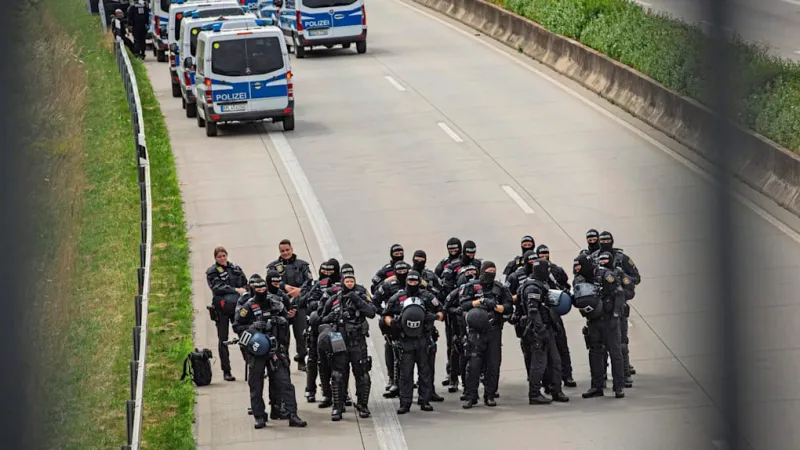
Sachsen-Anhalt, Germany – Security authorities are confronting unprecedented threats to public order ahead of the upcoming state election, with internal police documents revealing fears of Capitol-style scenarios, including potential occupations of political facilities and attacks on party offices across the region. These stark warnings highlight a growing apprehension among law enforcement regarding the volatile political climate surrounding the 2026 electoral cycle.
The confidential police documents, obtained through an internal review, detail a range of disruptive activities that security forces are preparing to counter. These scenarios move beyond conventional election-related protests, indicating a significant escalation in perceived risk by authorities.
The specific reference to a “Kapitol-Szenario” (Capitol scenario) directly invokes the January 6, 2021, attack on the U.S. Capitol, where an angry mob breached the legislative building. German security services are evidently drawing parallels to that event, suggesting a concern for similar attempts to violently disrupt democratic processes or occupy government infrastructure.
Among the most critical threats outlined are the potential storming of the Landtag, Sachsen-Anhalt's state parliament, and coordinated assaults on the regional offices of various political parties. Such actions, if realized, could severely impede political functions and endanger public officials and staff.
These heightened security concerns emerge against a backdrop of increasing political polarization and a rise in anti-democratic movements within Germany. Sachsen-Anhalt, like other eastern German states, has experienced significant protests and public unrest over recent years, often fueled by extremist ideologies.
Law enforcement agencies are consequently drafting comprehensive operational plans to safeguard election integrity and public safety. These plans likely include increased police presence, rapid deployment strategies, and enhanced intelligence gathering to preempt potential flashpoints.
While specific details of the internal documents remain classified, their emergence underscores a profound shift in how German authorities perceive threats to state institutions. The warnings are not mere contingency planning but reflect concrete intelligence suggesting genuine risks.
This alarming outlook also prompts reflection on historical instances of political agitation in Germany, though the scale and nature of these anticipated threats appear to be unprecedented in a post-war electoral context. The focus on direct occupations marks a significant escalation from typical protest actions.
The documents emphasize that the anticipated disruptions are not limited to peaceful demonstrations. Instead, they project scenarios involving aggressive incursions aimed at physically seizing control of legislative spaces, thereby obstructing the normal functioning of government.
Safeguarding the electoral process and the institutions of democracy is paramount. The Landtag election in Sachsen-Anhalt, for which critical dates have been revealed, represents a foundational moment for regional governance, making these security concerns particularly potent.
Experts suggest that the warnings may also be influenced by the growing prominence of fringe groups and actors who openly advocate for civil disobedience and, in some cases, violent confrontation with the state. The political rhetoric from some quarters has become increasingly incendiary.
The threat landscape has grown more complex, necessitating a robust and proactive response from security forces. The internal documents likely serve as a crucial basis for resource allocation and strategic deployment leading up to and during election day.
This situation is particularly sensitive given broader concerns about extremist influence in German politics. For instance, reports indicate a rise in activity by groups associated with extremist ideologies, as exemplified by events such as those mentioned in an article detailing how Höcke warns of German dictatorship as rally sees neo-Nazi gestures. This wider context adds urgency to the Sachsen-Anhalt police warnings.
The police and other security agencies are operating under a mandate to ensure that the fundamental rights of voters and the democratic process itself are protected from any attempts at subversion or coercion.
The transparency, or controlled leakage, of these internal concerns may also serve as a deterrent, signaling to potential disruptors that authorities are aware of the threats and are prepared to respond decisively.
Ultimately, the comprehensive preparedness outlined in these documents aims to uphold the sanctity of the democratic vote in Sachsen-Anhalt, ensuring that citizens can cast their ballots without intimidation or interference, and that elected officials can govern unhindered.