 Dodi Irawan
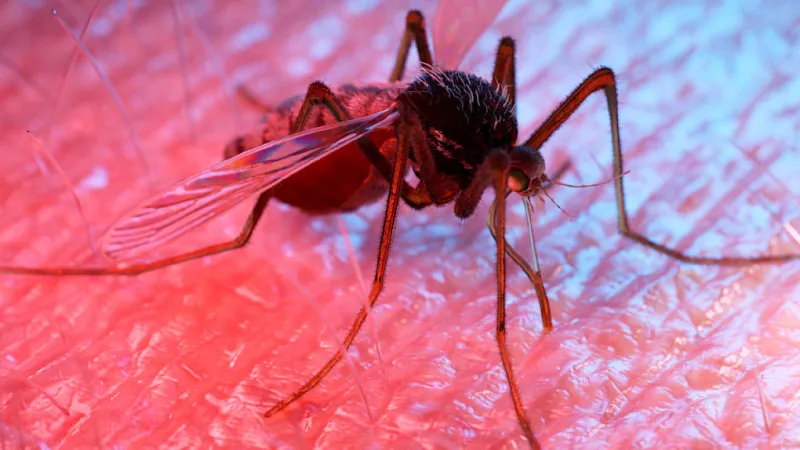
A recent scientific endeavor saw researchers persuading study participants to voluntarily subject themselves to mosquito bites, culminating in the identification of a predominant biological factor that dictates individual susceptibility to these pervasive insects. The study, conducted by an international team of entomologists and biologists, sheds critical light on why some individuals consistently find themselves targets while others remain largely unscathed.
The experiment, described by some participants as an exercise for the “tough-minded,” involved controlled exposure to mosquitoes under rigorous laboratory conditions. This meticulous approach allowed scientists to precisely monitor and quantify the number of bites each participant received, isolating variables that have long puzzled the scientific community.
For decades, scientists have understood that mosquitoes are attracted to a complex cocktail of human emanations, including carbon dioxide, body heat, and various skin odors. However, the exact hierarchy and interplay of these attractants have remained subjects of intense investigation.
This groundbreaking research, however, pinpointed a singular, overriding biological characteristic that primarily determined who received the most mosquito bites. While the specific nature of this factor requires further public disclosure from the research team, its identification marks a significant leap in understanding mosquito attraction.
The implications of this discovery are substantial. Understanding this primary determinant could revolutionize the development of mosquito repellents and other preventative measures. Instead of broad-spectrum solutions, future interventions might be tailored to an individual’s specific biological profile.
Mosquitoes are not merely a nuisance; they are vectors for some of the world’s most debilitating diseases, including malaria, dengue fever, Zika virus, and West Nile virus. Therefore, any advancement in comprehending their host-seeking behavior holds immense public health significance, particularly as global climate change expands their habitable zones.
The researchers emphasized that the voluntary participation of individuals in this uncomfortable yet crucial experiment was instrumental to its success. Their willingness to endure repeated bites provided the empirical data necessary to uncover this fundamental aspect of mosquito biology and human interaction.
Previous studies have hinted at genetic predispositions or dietary influences affecting an individual's attractiveness to mosquitoes. However, this new research appears to consolidate these varied observations into a more unified theory, centered around a powerful, singular biological marker.
Future phases of this research are expected to delve deeper into the precise biochemical pathways and genetic underpinnings of this newly identified factor. This could pave the way for novel strategies, from gene-editing mosquitoes to developing highly personalized repellents that either mask the attractant or alter an individual's emission profile.
The scientific community anticipates that these findings will not only enhance personal protection against mosquito bites but also contribute significantly to global efforts in combating mosquito-borne diseases. The continuous battle against these tiny yet deadly insects has just gained a powerful new piece of intelligence.
This advance reinforces the commitment of modern science to tackle persistent global health challenges through meticulous experimentation and innovative discovery, ultimately aiming to safeguard human well-being against the smallest of threats.