Chandra Wijayanto
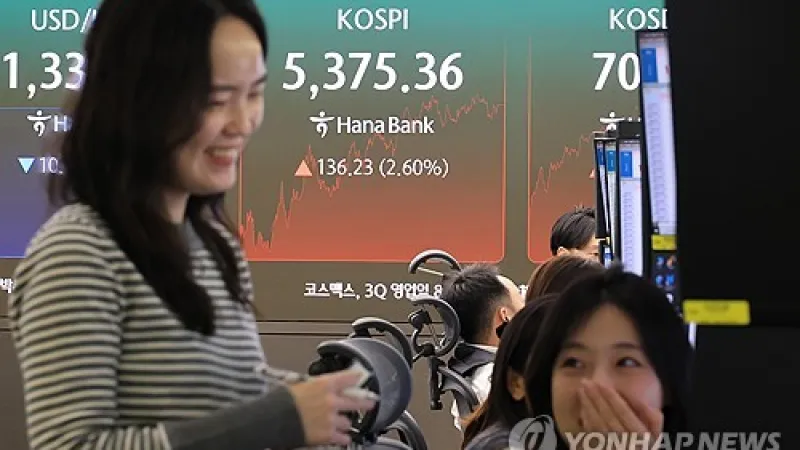
SEOUL, Nov. 11, 2026 – South Korean equities concluded trading sharply higher for a second straight session today, as a vigorous rally in technology stocks overshadowed persistent concerns regarding potential interest rate increases by global central banks. The benchmark Korea Composite Stock Price Index, or KOSPI, saw significant gains, reflecting investor optimism in the tech sector's resilience against broader economic headwinds.
This sustained upward momentum marks a notable period of strength for the local bourse, contrasting with a broader environment of economic uncertainty. The KOSPI's performance indicated strong buying interest, particularly from institutional and foreign investors keenly focused on growth prospects within the technology domain.
Semiconductor manufacturers, electric vehicle battery producers, and innovative software firms spearheaded the robust tech rally. These sectors have consistently demonstrated their capacity for growth, often perceived as less susceptible to traditional economic cycles compared to more conventional industries.
Analysts attributed the technology sector's allure to several factors, including strong corporate earnings forecasts and a global push towards digitalization and advanced computing. Investments in artificial intelligence, for instance, continue to drive significant capital allocation, benefiting South Korean firms at the forefront of these advancements. South Korea Fuels AI Growth with Major $20M ADB Fund Contribution underscores the nation's strategic commitment to this burgeoning field.
Despite this localized optimism, the specter of higher interest rates continues to loom large over global financial markets. Central banks, most notably the U.S. Federal Reserve, are contemplating further monetary tightening measures to rein in inflationary pressures, which could potentially dampen corporate profitability and consumer spending worldwide.
Investors in Seoul, however, appeared to weigh the immediate strength of the technology sector against these macroeconomic anxieties, with the former currently prevailing. The market demonstrated a selective appetite for high-growth assets that promise innovation and future revenue streams.
The South Korean won also showed signs of stabilization against the U.S. dollar, a crucial indicator of investor confidence in the nation's economic outlook. A stronger won can signal foreign capital inflow and reduced currency volatility, further bolstering equity markets.
Market observers noted that the current environment is a delicate balancing act, with domestic factors providing a counterweight to external pressures. South Korea's proactive economic policies and efforts to enhance market accessibility also play a role in attracting investment. For example, ongoing initiatives to streamline trading processes, such as the South Korea Unveils T+1 Stock Settlement Roadmap to Global Investors, aim to improve market efficiency.
Furthermore, major South Korean conglomerates are strategically expanding their global footprint in high-growth areas. This includes ventures into nascent markets and technologies, demonstrating a proactive stance against economic uncertainties. South Korean Conglomerates POSCO, GS Target Global AI Data Center Markets exemplifies this trend, showcasing the nation's industrial diversification.
While the current rally provides a much-needed boost, analysts cautioned against excessive exuberance. The global economic landscape remains complex, with energy prices, supply chain disruptions, and geopolitical tensions all presenting potential headwinds that could shift market sentiment rapidly.
The resilience shown by the Seoul market, particularly its technology segment, offers a compelling case study in navigating a challenging economic climate. It highlights the differentiated performance within equity markets where specific sectors can decouple from broader downturns.
Looking ahead, market participants will closely monitor upcoming inflation data and central bank announcements from major economies for signals regarding future monetary policy. These decisions will undoubtedly shape the trajectory of global markets, including South Korea's.
Domestically, policy decisions affecting market participants, such as discussions around digital asset taxation, will also influence investor behavior. The recent South Korean Parties Forge Pact on Digital Asset Taxation by 2029 indicates a long-term approach to regulating evolving financial sectors.
Today's trading session, therefore, underscores a dynamic interplay of global macroeconomic forces and robust sectoral strengths within South Korea. The ability of the KOSPI to achieve consecutive gains despite significant external pressures speaks volumes about targeted investor confidence in select segments of the Korean economy.