 Robert Andrison
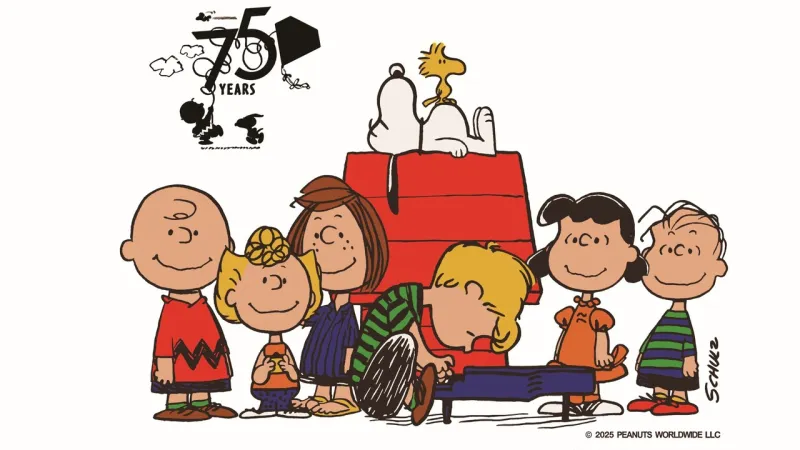
New York recently unveiled an evocative exhibition dedicated to Snoopy, the iconic beagle from Charles M. Schulz's beloved Peanuts comic strip, meticulously tracing his unparalleled journey as a global style icon and the profound, decades-long relationship between the Peanuts universe and the world of high fashion, spanning from the 1950s to the contemporary era.
The exhibit serves as a comprehensive chronicle, illustrating how a mere cartoon character transcended its origins to become a significant cultural touchstone, influencing design, apparel, and consumer trends across generations. It highlights Snoopy's unique ability to resonate with diverse audiences, maintaining relevance amidst ever-shifting fashion paradigms.
Charles M. Schulz introduced Snoopy in 1950, and the character quickly evolved from a conventional dog into a multifaceted persona, embodying various alter egos such as the World War I Flying Ace, Joe Cool, and the highly fashionable attorney. These transformations were pivotal in establishing Snoopy's versatile appeal, laying the groundwork for his eventual integration into mainstream fashion.
Early collaborations, often subtle, saw Snoopy's likeness adorning everyday items. His whimsical yet sophisticated demeanor made him an ideal motif for everything from children's wear to casual adult apparel. This initial widespread adoption cemented his image as a symbol of comfort and understated cool.
As decades progressed, Snoopy's influence expanded beyond mere merchandise. Designers began to recognize the intrinsic charm and universal appeal of the character. His simplistic yet expressive form offered a canvas for creative interpretation, making him a recurring figure in collections that sought to blend nostalgia with contemporary aesthetics.
The exhibit particularly emphasizes Snoopy's foray into high fashion, featuring archival pieces and contemporary designs from renowned labels. These instances demonstrate how a character born in a comic strip could seamlessly transition onto runways and into luxury boutiques, signifying a cultural acceptance rarely bestowed upon animated figures.
A significant aspect explored is the Joe Cool persona, which perfectly encapsulates Snoopy's laid-back yet stylish attitude. Wearing sunglasses and leaning against a wall, Joe Cool became a quintessential representation of effortless chic, a look frequently mimicked and celebrated within youth culture and street style.
Snoopy's persistent presence in fashion is not merely about brand licensing; it reflects a deeper cultural phenomenon. The character symbolizes innocence, adventure, and resilience, qualities that resonate deeply with consumers and designers alike. This emotional connection fosters a loyal following that transcends simple trends.
The longevity of Snoopy's appeal lies in his versatility. He can be adapted to various design sensibilities, from minimalist to maximalist, retro to futuristic. This adaptability ensures his continued relevance, allowing him to be reimagined by new generations of designers and artists without losing his core identity.
Contemporary fashion brands continue to collaborate with Peanuts, showcasing fresh interpretations of Snoopy and the gang. These partnerships often result in limited-edition collections that blend the timeless appeal of the characters with modern design principles, appealing to both longtime fans and new admirers.
Curators of the New York exhibition have assembled an impressive array of artifacts, including original comic strips, vintage apparel, designer collaborations, and multimedia installations. These elements collectively narrate the intricate story of how Snoopy became an indelible mark on the fashion landscape.
Ultimately, the exhibition affirms Snoopy's status as more than just a cartoon character; he is a bona fide style icon whose influence permeates the global fashion industry. His journey from comic strip panels to high fashion runways underscores the powerful intersection of popular culture and design, ensuring his legacy for decades to come.