Gabriella
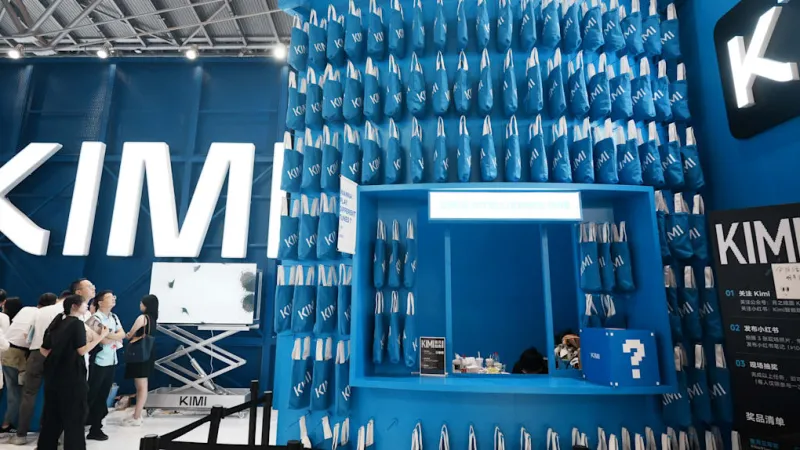
The global artificial intelligence landscape shifted profoundly this week with the release of Kimi K3, a sophisticated Chinese AI model. For the first time, a freely available artificial intelligence system has emerged that rivals the intellectual prowess of Silicon Valley’s top proprietary platforms, posing a direct challenge to what has long been considered American dominance in the nascent global AI economy.
Developed in China, Kimi K3’s introduction marks a significant milestone, representing a pivotal moment in the ongoing technological race. Its capabilities are touted by developers as being on par with, if not superior to, established market leaders, promising to democratize access to advanced AI tools on an unprecedented scale.
For years, the United States, primarily through its technology hub in California’s Silicon Valley, has maintained a commanding lead in artificial intelligence research, development, and commercialization. American companies pioneered many foundational models and applications, setting the standard for innovation and attracting vast sums of investment.
However, Kimi K3’s arrival disrupts this status quo. Its designation as a “freely available” system is particularly noteworthy, suggesting a potential for widespread adoption across various sectors globally, unhindered by the licensing fees or restrictive access typical of many Western counterparts.
Economically, this development carries immense weight. The ability of a non-American entity to produce a world-class, accessible AI model could reorient investment flows, foster new competitive ecosystems, and potentially reshape the entire framework of the global AI market, which is projected to grow exponentially in the coming decade.
The geopolitical implications are equally substantial. The technological rivalry between the United States and China has been a defining feature of early 21st-century international relations. This release underscores China’s rapid advancements and its determination to establish technological parity, if not superiority, in critical future-defining domains.
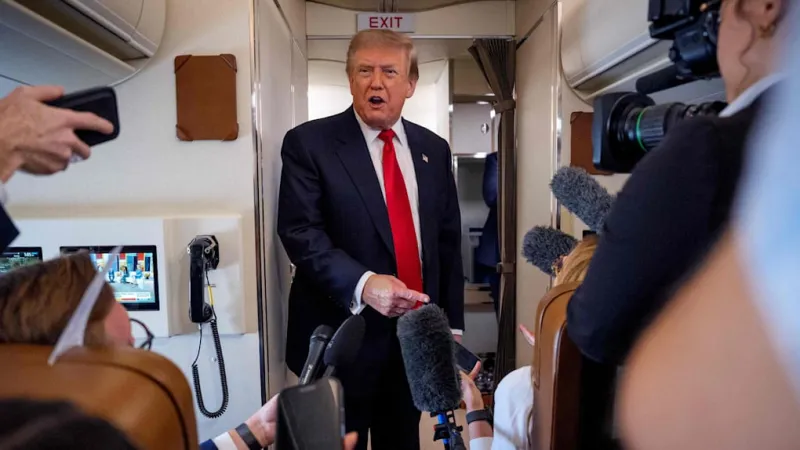
President Donald Trump’s administration has consistently emphasized the importance of maintaining America’s technological edge, particularly in strategic areas like artificial intelligence. The emergence of Kimi K3 will undoubtedly prompt renewed discussions within Washington about national AI strategy, research funding, and intellectual property protection.
The widespread availability of such a powerful AI could also accelerate innovation in developing nations, providing them with advanced tools previously out of reach. This democratization might lead to unexpected breakthroughs and the emergence of new AI powerhouses beyond traditional centers.
Beyond economic and geopolitical shifts, the ethical and societal considerations surrounding AI development continue to grow. As powerful models like Kimi K3 become more ubiquitous, questions about data privacy, algorithmic bias, and the impact on human creativity and employment intensify. Concerns have been raised by figures like Susanna Tamaro, who warned that AI Distorts Reality, Embraces Manual Writing, highlighting the broader philosophical debate surrounding the technology.
The true long-term impact of Kimi K3 remains to be fully seen. Nevertheless, its launch this week undeniably signals a watershed moment, suggesting that the era of uncontested American AI monopoly has concluded, paving the way for a more competitive and globally distributed future for artificial intelligence.