 Chandra Wijayanto
Italian families are significantly altering their summer vacation plans and spending habits as costs have escalated sharply over the past decade, with transport and food prices emerging as primary drivers of this financial squeeze, according to a recent analysis by CRC.
The research institute, CRC, has meticulously tracked consumer spending trends, revealing a consistent upward trajectory in vacation expenses over the last ten years. This prolonged period of rising costs is compelling Italian households to rethink traditional summer getaways and adopt more budget-conscious approaches to leisure travel.
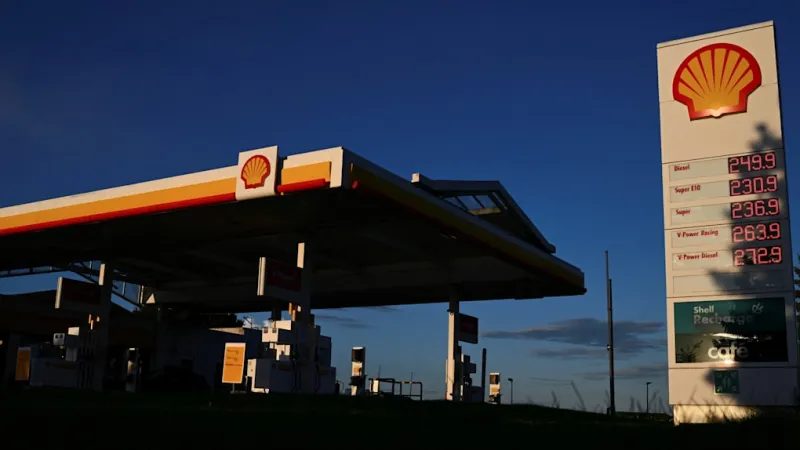
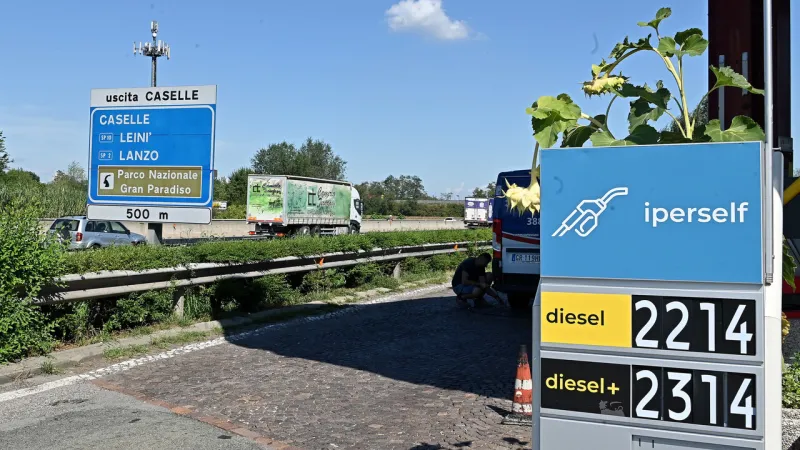
Transport represents a major pain point for travelers. Fuel prices, already under inflationary pressure globally, combined with increased airfares and even higher public transportation costs, have made reaching vacation destinations considerably more expensive. This forces many to opt for shorter distances or choose less costly modes of travel.
Concurrently, food prices have seen substantial hikes. Whether for daily groceries at a self-catering apartment or dining out at restaurants, the cost of sustenance during holidays has become a significant budgetary consideration. Families now allocate a larger portion of their vacation funds to essential food items, often at the expense of other leisure activities.
This dual impact of escalating transport and food expenses directly translates into a tighter squeeze on household budgets, especially for middle-income families. Disposable income, which traditionally funded extended holidays, is now stretched thin, demanding more strategic financial planning for any travel.
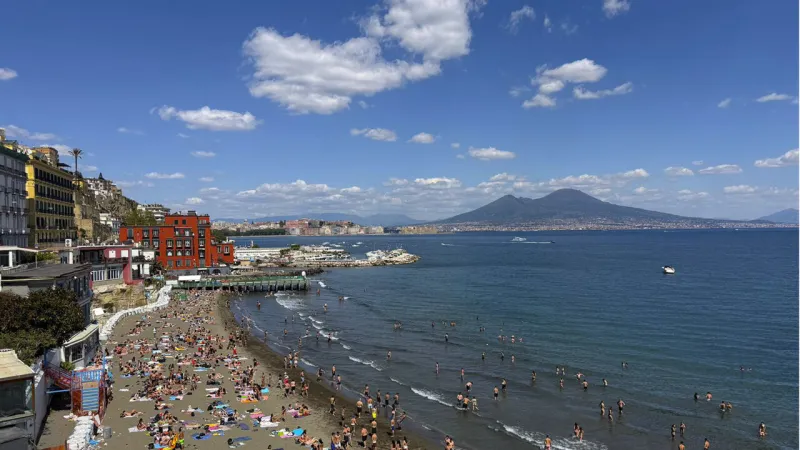
In response to these financial pressures, many Italians are making discernible shifts in their vacation behavior. Shorter trips have become more common, as have staycations or holidays closer to home. International travel, once a staple for many, is increasingly viewed as a luxury.
Accommodation choices are also evolving. There is a growing preference for more affordable options, such as self-catering apartments, campsites, or budget-friendly hotels, over traditional resorts or high-end establishments. This allows families greater control over food expenses by enabling them to cook their own meals.
Dining habits reflect this frugality. Families are cooking more meals themselves, frequenting local markets for ingredients, and reserving restaurant visits for special occasions rather than daily occurrences. When they do dine out, the focus often shifts to more economical eateries or pizzerias.
Economists note this trend aligns with broader European inflationary patterns, where consumer purchasing power has faced consistent challenges. While wages have shown some growth, they often lag behind the pace of rising living and leisure costs.
The Italian tourism sector now faces the imperative to adapt to these evolving consumer demands. Operators are exploring new packages and offerings that emphasize value for money, shorter durations, and regional exploration to cater to the financially constrained yet travel-eager population.
While this shift presents challenges, it also fosters opportunities for local economies. Increased domestic tourism, even if budget-focused, can invigorate smaller towns and less-traveled regions, promoting sustainable tourism models.
This transformation in Italian vacation culture suggests a potentially long-term adjustment rather than a temporary anomaly. It underscores a collective reevaluation of leisure spending and the fundamental value sought from holiday experiences.
The resilience of Italian families in adapting their summer plans, seeking out more economical yet enriching experiences, highlights a pragmatic approach to navigating persistent economic realities. Many are finding creative ways to enjoy their time off, perhaps even exploring secluded European beaches or lesser-known local gems that offer beauty without the exorbitant price tag.
The overarching sentiment among consumers points to a desire for memorable experiences that do not necessitate financial strain. This will undoubtedly continue to shape the landscape of Italian leisure travel in the years to come.