Angela Stefani
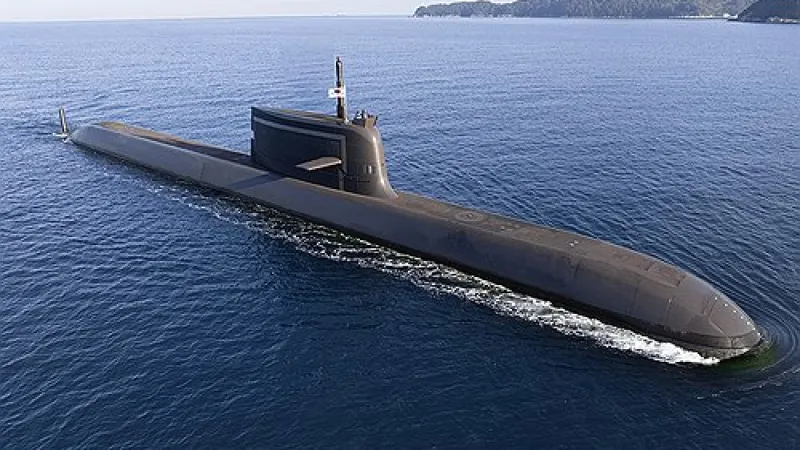
SEOUL, Nov. 6, 2026 – South Koreas state arms procurement agency officially approved plans today for a groundbreaking nuclear-powered submarine project, signaling a transformative shift in the nations defense strategy and its ambition to bolster deterrence in an increasingly complex regional security environment. This decisive move, finalized by a review committee on Friday, sets the stage for a long-term initiative expected to significantly enhance the Republic of Korea Navy ROKN capabilities.
The approval by the Defense Acquisition Program Administration DAPA review committee marks a significant stride in Seouls persistent efforts to acquire advanced military assets. While the precise details of the project remain classified, the commitment to developing nuclear propulsion for its submarine fleet underscores a strategic reevaluation of maritime security in Northeast Asia.
This initiative emerges amidst heightened geopolitical tensions, particularly with North Korea continually advancing its own submarine and missile programs. A nuclear-powered submarine offers unparalleled endurance and stealth, crucial attributes for sustained underwater operations and sophisticated intelligence gathering, capabilities currently beyond the ROKN's diesel-electric fleet.
For years, proponents within the South Korean defense establishment have advocated for such a project, viewing it as essential for creating a truly independent deterrent. The ability to remain submerged for extended periods without needing to surface or refuel provides a second-strike capability that significantly complicates potential adversaries strategic calculations.
The path to developing a nuclear-powered submarine is fraught with technical, financial, and diplomatic challenges. South Korea, a signatory to the Nuclear Non-Proliferation Treaty NPT, must navigate international scrutiny regarding its use of nuclear technology, even for purely military propulsion purposes. This would involve intricate negotiations and transparency measures with international bodies.
Developing the specialized reactor technology and the intricate systems required for such a vessel demands immense investment in research and development, along with a robust industrial base. Experts estimate the project will span several decades and entail costs running into the tens of billions of dollars, making it one of the most ambitious defense undertakings in the nations history.
The ROKN currently operates a fleet of conventional diesel-electric submarines, including the advanced Dosan Ahn Changho-class, which are capable of carrying submarine-launched ballistic missiles SLBMs. However, these vessels have limited submerged endurance compared to nuclear-powered counterparts. The new project aims to overcome this operational constraint, providing continuous presence and deterrence.
Observers suggest the move could prompt reactions from neighboring powers. China and Russia may view the development as a regional arms race escalation, while Japan, another key US ally, could assess its own strategic posture in response. The United States, South Koreas primary security guarantor, will play a crucial role in the diplomatic and technical discussions surrounding this sensitive advancement.
President Donald Trumps administration has consistently emphasized strengthening allied capabilities, and this development aligns with a broader trend of allies seeking more self-reliant defense postures. However, the intricacies of nuclear technology transfer and proliferation concerns will necessitate careful bilateral consultations between Washington and Seoul.
The project also carries significant implications for South Koreas shipbuilding and advanced engineering sectors, potentially stimulating technological innovation and creating high-skill jobs. It represents a bold statement of national resolve to secure its maritime interests and project power in a volatile geopolitical landscape.
While the approval marks a critical milestone, the journey from concept to operational deployment of a nuclear-powered submarine is exceptionally long and complex. Future governments will face the challenge of sustaining political will and financial commitment through various stages of design, construction, and rigorous testing.
This strategic pivot positions South Korea to potentially join an exclusive club of nations operating nuclear-powered submarines, a development that will undoubtedly reshape the regional power balance and necessitate a recalibration of defense doctrines for all major players in the Indo-Pacific.