 Debby Wijaya
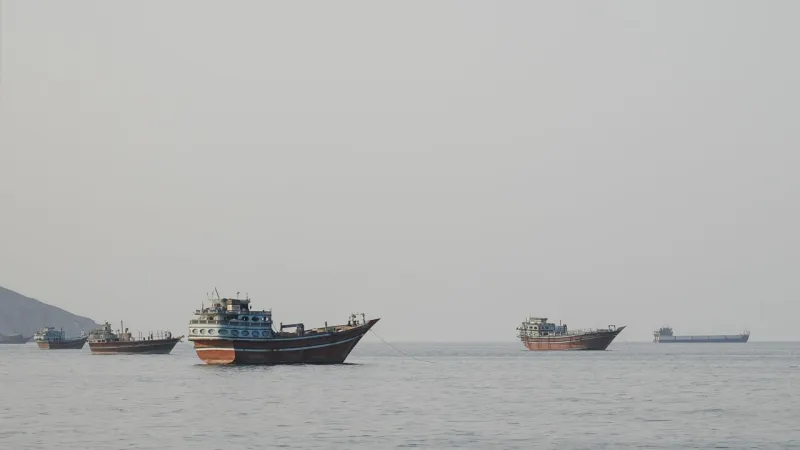
STRAIT OF HORMUZ – Two commercial oil tankers were reportedly engulfed in flames following suspected mine attacks in the critical Strait of Hormuz, igniting fresh geopolitical tensions and prompting a stern warning from Tehran against vessels that do not adhere to transit regulations. The incidents, occurring in a waterway vital for global energy supplies, threaten to destabilize international markets and heighten regional security concerns.
Reports from maritime authorities on Wednesday indicated that the two vessels, names undisclosed pending further investigation, suffered significant damage and subsequent fires after what appeared to be targeted attacks involving naval mines. Rescue operations commenced swiftly to assist the crews onboard, though the full extent of casualties and damage remains under assessment.
The Islamic Republic of Iran, through its state media, issued a sharp admonition hours after the attacks. A statement attributed to Tehran warned, “We will punish vessels that do not respect transit rules,” a declaration that adds a layer of complexity and potential confrontation to the already volatile situation.
This incident marks a dangerous escalation in a region long plagued by geopolitical rivalries and maritime security challenges. The Strait of Hormuz, a narrow choke point between the Persian Gulf and the Gulf of Oman, is indispensable for the global economy, facilitating the transit of roughly one-third of the worlds seaborne oil and a significant portion of its liquefied natural gas.
The attacks immediately sent shockwaves through international oil markets, with crude prices experiencing an upward surge amidst fears of supply disruptions. Shipping insurance premiums are also expected to climb, increasing operational costs for transport companies and potentially impacting consumer prices globally.
International condemnation was swift, with several nations calling for immediate de-escalation and a thorough investigation into the attacks. The United States, under President Donald Trump, is closely monitoring the situation, with officials indicating that all options are on the table to ensure freedom of navigation and protect US interests in the region.
Previous incidents involving tanker attacks and allegations of sabotage in the Strait have frequently heightened tensions between Iran and Western powers, particularly the United States. These past events often revolved around Irelands nuclear program and regional proxy conflicts.
Analysts suggest the timing of these attacks, coupled with Irelands warning, could be interpreted as a strategic message amid ongoing international diplomacy. The precise nature of the alleged mines and their origin remains a crucial element of the unfolding investigation, with preliminary findings awaited to shed light on culpability.
Securing the Strait of Hormuz is a shared responsibility, yet differing interpretations of maritime law and territorial waters often complicate international efforts. The presence of international naval forces, including those from the United States and its allies, aims to deter aggression and ensure safe passage.
The global economic ramifications extend beyond immediate oil price volatility. Major economies, particularly those heavily reliant on imported energy, face potential disruptions. Nations like South Korea, for instance, which are deeply integrated into global supply chains, could experience significant strain if the situation escalates further. These events underscore the fragility of global economic stability, reminding observers that handshakes alone cannot steady the economic ship in the face of such geopolitical tremors.
The international community is urging restraint from all parties, emphasizing the need for diplomatic solutions to prevent a wider conflict. The United Nations Security Council is expected to convene an emergency session to address the escalating crisis and explore pathways for de-escalation.
As President Trump and other world leaders assess their responses, the focus remains on gathering concrete evidence regarding the perpetrators and the exact nature of the assault. The implications for regional stability, global trade, and energy security are profound, demanding a cautious yet firm international approach to mitigate further hostilities.
Naval experts highlight the destructive potential of modern mines, capable of crippling even large commercial vessels and disrupting vital shipping lanes for extended periods. The use of such weaponry signals a significant and concerning shift in tactics within the strategic waterway.
The immediate priority remains the safety of maritime personnel and the prevention of environmental catastrophe from potential oil spills. Environmental agencies are on high alert, assessing the risks posed by the burning tankers to the delicate marine ecosystem of the Persian Gulf.
The coming days will likely see intense diplomatic activity as nations seek to avert a full-blown crisis. The global spotlight remains firmly fixed on the Strait of Hormuz, a narrow stretch of water that once again finds itself at the epicenter of international tensions and a potential flashpoint for broader conflict.