 Debby Wijaya
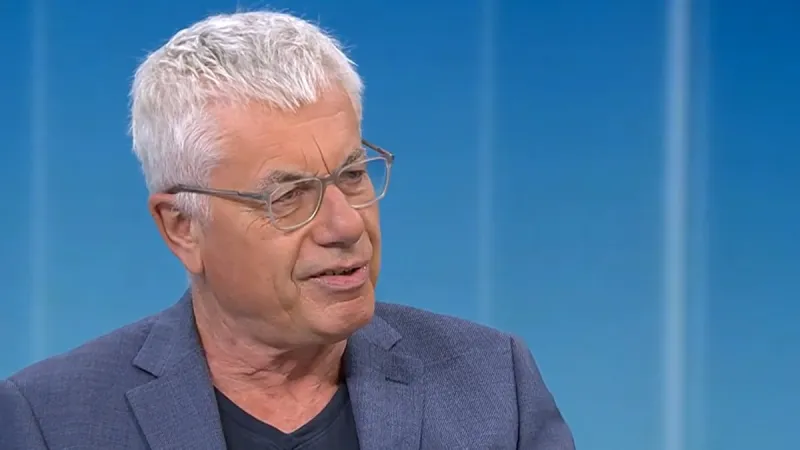
BERLIN – Germany's Social Democratic Party (SPD) faces a profound internal challenge as its Working Group Migration and Diversity has formally demanded an extraordinary party conference to elect a new leadership. This unprecedented call stems from mounting alarm over the party's plummeting poll numbers, consistently hovering between 12 and 13 percent, and a perceived surge of "enormous populism" within the broader political landscape, according to observers. Columnist Reinhard Mohr articulated the escalating tension, stating, "Now there is unrest in the SPD, not without reason. At 12, 13 percent, one can certainly get nervous."
The demand underscores a deep-seated apprehension regarding the SPD's diminishing influence and its struggle to connect with the electorate. For decades, the Social Democrats were a dominant force in German politics, often vying for the chancellorship and shaping key national policies. Their current standing marks a significant departure from historical benchmarks, fueling a critical reassessment of their strategic direction and public appeal.
The Working Group Migration and Diversity, a vocal segment within the party, contends that the current leadership is ill-equipped to navigate the complex political currents defined by rising populist sentiment. They argue that a fresh mandate and a renewed vision are essential to regain public trust and counter narratives that they believe are eroding democratic values and social cohesion. This internal debate mirrors broader national discussions on identity and integration, such as the controversy surrounding a German officers Turkish campaign poster, which sparked significant public debate.
Mohr's characterization of the situation as "enormous populism" resonates with a growing discourse among German political analysts. This populism is often attributed to public disillusionment with mainstream parties, a desire for simpler solutions to complex problems, and a susceptibility to emotionally charged rhetoric. The SPD, a party historically rooted in social justice and workers rights, finds itself struggling to adapt its message effectively in this evolving environment.
A special party conference would represent a dramatic internal upheaval, potentially leading to a complete overhaul of the SPD's top echelons. Such an event would require significant logistical planning and would command intense media scrutiny, casting a spotlight on the internal divisions and strategic dilemmas confronting one of Germanys oldest political parties.
The urgency of the call also reflects anxieties about upcoming electoral cycles. With the SPD currently a junior partner in Germanys coalition government, its weakened position could have broader ramifications for governmental stability and policy implementation. A protracted leadership struggle could further destabilize the coalition and empower opposition forces.
Political commentators speculate that the call for a special conference is not merely about personalities but rather a fundamental dispute over the party's ideological direction. Questions about the SPD's stance on immigration, economic policy, and European integration have created internal rifts, with various factions advocating for distinct paths forward.
The concept of populism itself has become a central theme in German and European political debate. It is characterized by appeals to the common person, often juxtaposed against a perceived elite, and can manifest across the political spectrum. For the SPD, confronting this phenomenon requires not only a critique of its external manifestations but also an introspection into how its own policies and communication might inadvertently contribute to public disaffection.
Historically, the SPD has weathered numerous crises, adapting its platform to changing societal needs. However, the current predicament is seen by many within the party as existential. The shrinking membership base, an aging demographic, and an inability to attract younger voters further compound the challenge of revitalization.
The ripple effects of an SPD leadership shake-up could extend beyond German borders. As a foundational member of the European Union, Germanys political stability is paramount. Instability within its major parties could influence EU policy direction and the broader geopolitical balance, particularly concerning issues like economic cooperation and migration.
The proposed special party conference would force the SPD to openly confront its internal fractures and present a coherent, unified front to the German public. The outcomes of such a gathering will undoubtedly shape the future trajectory of German politics and the SPD's enduring role within it. The demand signals a critical juncture, compelling the party to either reaffirm its core principles with new vigor or risk further marginalization.