 Edward DP Situmorang
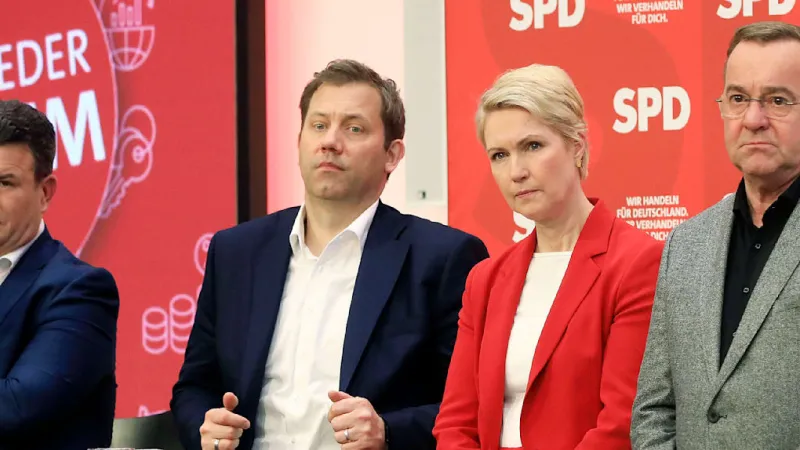
BERLIN – Germany's Social Democratic Party (SPD) finds itself on the cusp of a profound internal power struggle, with prospective candidates for party leadership beginning to position themselves for a contest that will ultimately determine the party's ideological direction and influence within the nations ruling coalition.
The brewing conflict, which sources suggest could intensify significantly in the coming months of 2026, centers on who will steer the party through a challenging political landscape. The outcome is not merely about personnel; it concerns the very essence of the SPD's platform, from economic policy to foreign affairs.
Observers familiar with internal party dynamics indicate three primary scenarios are under consideration. The first envisions a continuation of the current pragmatic course, albeit with new leadership aiming to consolidate the party's position within the governing coalition. This approach would prioritize stability and incremental policy adjustments.
A second, more radical scenario suggests a potential shift towards a more pronounced left-wing agenda. Proponents of this direction advocate for bolder social and economic reforms, potentially challenging the current coalition agreements and creating friction with their political partners.
The third possibility involves the emergence of a compromise candidate or a unity ticket, designed to bridge the internal divides and present a united front. This strategy would seek to quell any overt power struggle, focusing instead on internal cohesion ahead of future electoral cycles.
Several senior SPD figures are reportedly assessing their viability for a leadership bid. While no formal announcements have been made, backroom discussions and strategic alliances are already taking shape, reflecting the high stakes involved in shaping the future of Germany's oldest political party.
The implications of this internal contest extend beyond the SPD itself. As a critical pillar of the current governing alliance, any significant shift in SPD leadership or ideological direction could destabilize the broader German political landscape. The nations stability, particularly concerning fiscal policy, has recently been a point of focus. As Klingbeil Warns: Germany's Stable Tax Revenue Offers No New Budget Room, the next SPD leader will inherit substantial economic challenges.
Such a leadership change would also directly impact coalition negotiations and the legislative agenda. Decisions on key issues, from national budget allocations to European policy, hinge on the coherence and direction of the ruling parties. The ongoing debate around topics such as the Germany Quietly Pivots Fighter Jet Strategy underscores the complex policy environment a new SPD leader would navigate.
Historically, the SPD has experienced periods of intense internal debate over its path forward. This current moment echoes past struggles to reconcile its foundational socialist principles with the demands of modern governance and coalition politics. The party's ability to navigate this challenge will be a testament to its resilience.
The selection process, whether through a party conference vote or another mechanism, will be closely watched by domestic and international observers. The SPD leadership outcome will not only redefine the party's trajectory but also exert a tangible influence on Germany's role within the European Union and on the global stage.
Ultimately, the forthcoming SPD leadership battle is more than a mere internal reshuffle; it is a critical juncture that will dictate the pace and direction of German politics for years to come, with significant implications for policy, governance, and the nations international standing.