 Edward DP Situmorang
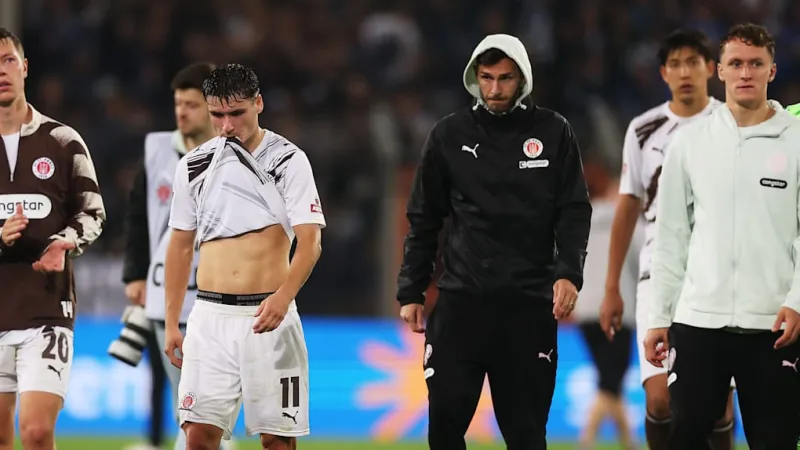
Hamburg, Germany – FC St. Pauli has prolonged its agonizing winless streak to a staggering 188 days, failing to secure a victory against Arminia Bielefeld in a recent 2. Bundesliga fixture. This latest setback deepens concerns for the relegated club, whose last competitive success dates back to February 28, 2026.
The draw against Arminia Bielefeld further cemented the team's precarious position within the second-tier German football league. Fans and analysts alike are questioning the trajectory of the club, once a formidable presence in German football.
The date of February 28, 2026, looms large as a grim reminder for St. Pauli supporters. It marks the last occasion the team tasted victory in any competitive match, a disheartening period of over six months without triumph.
This prolonged drought is particularly galling for a club that recently experienced relegation from the top flight. Such a descent often serves as a catalyst for immediate regrouping and renewed effort; instead, St. Pauli appears increasingly mired in a collective slump.
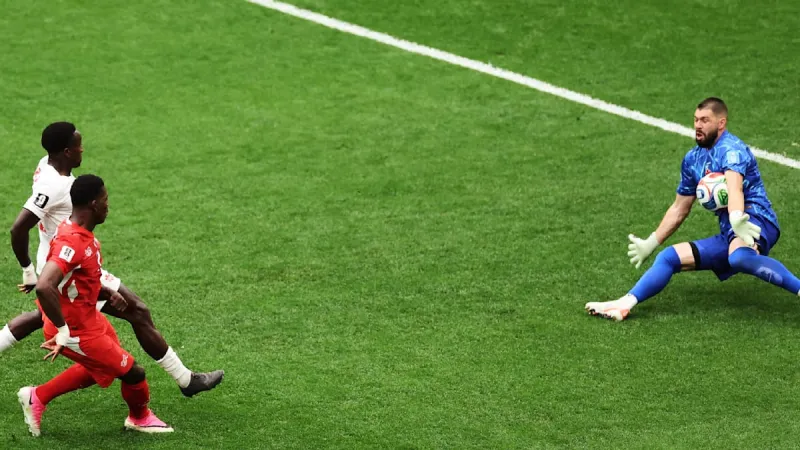
The recent match against Arminia Bielefeld offered little solace, despite the details of the play itself. The outcome unequivocally confirmed St. Pauli's continued struggles on the pitch, adding another tally to their unenviable record.
Compounding the sense of missed opportunities across the league, a parallel Friday fixture saw Hannover 96 squander two separate leads. This illustrates the intensely competitive nature of the 2. Bundesliga, where even a momentary lapse in focus can prove costly.
For St. Pauli, the persistent absence of crucial points places immense pressure on the coaching staff, players, and front office alike. The objective of returning to the top flight, the Bundesliga, seems increasingly distant with each passing match day.
The psychological toll of such a protracted winless period cannot be overstated. Team morale, player confidence, fan engagement, and even the club's financial stability can suffer profoundly as the team continues its downward spiral.
Historical precedents within German football suggest that breaking such a deep-seated negative pattern often requires significant structural changes, potentially involving alterations to the coaching staff or strategic adjustments to the player roster.
Supporters of St. Pauli, renowned for their passionate loyalty and distinctive club culture, are growing increasingly restless. Their patience is being severely tested as the club struggles to deliver performances worthy of its storied name and expectations.
The 2. Bundesliga is a demanding environment, characterized by fierce competition and thin margins between success and failure. St. Pauli's consistent inability to capitalize on scoring opportunities or defend leads highlights a deeper systemic issue within the squad.
Looking ahead, the immediate priority for St. Pauli must be to secure a single victory, however modest. Such a triumph is crucial to break the formidable psychological barrier that has enveloped the team and potentially ignite a much-needed turnaround.
This current predicament serves as a stark warning to other clubs about the inherent volatility of professional football and how quickly fortunes can change following a relegation, demanding sustained performance and strategic leadership.