Angel Doris
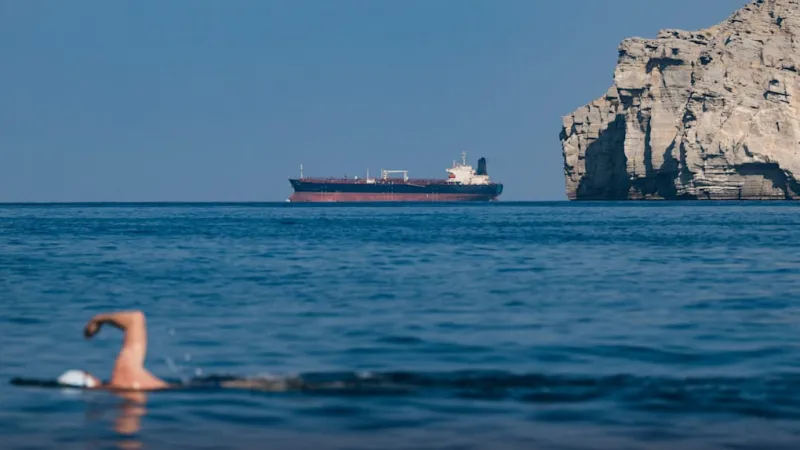
STRAIT OF HORMUZ – Renowned environmental advocate Lewis Pugh has completed a grueling three-day swim through the perilous Strait of Hormuz, undertaking the extreme endeavor to spotlight the severe marine environmental damage inflicted by ongoing conflicts in the region. Pughs harrowing journey across the strategic waterway culminated recently, just days after he reportedly witnessed an oil tanker strike mere kilometers from his position, underscoring the immediate and devastating impact of warfare on delicate ocean ecosystems.
The British-South African endurance swimmer embarked on the protest swim to draw urgent international attention to the silent, often overlooked ecological casualties of geopolitical strife. The Strait of Hormuz, a critical maritime choke point connecting the Persian Gulf with the Arabian Sea, serves as a vital artery for global oil shipments, making it a frequent flashpoint for regional tensions and military engagements.
Pugh, known for his unprecedented swims in vulnerable polar and oceanic regions, described the experience as one of his most challenging, not only due to the physical demands of navigating the busy, often turbulent waters, but also the palpable sense of danger and environmental degradation. His mission was to put a human face on the consequences of conflict for marine life and the global environment.
The dramatic incident involving the oil tanker served as a stark, immediate validation of Pughs protest. While specifics of the attack remain under investigation, the event sent shockwaves through the region, temporarily disrupting shipping and raising alarm about the potential for widespread ecological catastrophe should a major spill occur in such a high-traffic, enclosed sea.
Navigating currents, avoiding massive cargo vessels, and contending with the ever-present threat of conflict, Pugh completed his swim carrying a clear message: the oceans are not immune to human conflict. The environmental repercussions of war extend far beyond terrestrial battlegrounds, silently decimating marine biodiversity and contaminating vital fishing grounds.
Experts widely acknowledge that naval skirmishes, mining operations, and the deliberate targeting of oil infrastructure during wartime release vast quantities of pollutants, from crude oil and chemical agents to unexploded ordnance. These substances can persist for decades, altering habitats, poisoning wildlife, and entering the human food chain.
Pughs prior expeditions have taken him to some of the worlds most extreme aquatic environments, including swims across the North Pole and through glacial lakes. Each feat has been a carefully orchestrated act of advocacy, designed to highlight issues such as climate change, plastic pollution, and the urgent need for marine protected areas. This latest venture shifts his focus squarely onto the intersection of conflict and environmental destruction.
The Strait of Hormuz is approximately 39 kilometers (21 nautical miles) wide at its narrowest point. Through it passes a significant percentage of the worlds seaborne oil, making its security and environmental health matters of global economic and ecological importance. Any disruption here has immediate ramifications for global energy markets and for the fragile ecosystems within the Persian Gulf.
The sight of an explosion and the subsequent oil slick, however localized, deeply affected the swimmer. Pugh recounted, "The explosion left the sea swaying. You feel the raw power of conflict, not just in the human toll, but in the trauma inflicted on the ocean itself." This direct witness account brings a visceral reality to the abstract concept of wars environmental cost.
His protest calls for a re-evaluation of how international laws of armed conflict address environmental protections. While protocols exist, their enforcement and specific provisions for marine environments under direct attack often prove insufficient, leaving vast areas vulnerable to irreparable harm.
The incident he witnessed underscores the urgent need for diplomatic solutions to regional conflicts, not only to prevent human suffering but also to safeguard the planets most vital resources. Preventing ecological damage in strategic waterways like the Strait of Hormuz requires a concerted global effort towards de-escalation and peacebuilding.
Environmental groups worldwide have lauded Pughs courage and commitment, hoping his dramatic swim will serve as a catalyst for greater public awareness and governmental action. The sheer audacity of his act, swimming amidst such geopolitical volatility, amplifies his message far beyond conventional environmental campaigning.
In a world increasingly grappling with environmental crises, the nexus between conflict and ecological devastation presents a complex challenge. Pughs journey offers a poignant reminder that peace is not merely the absence of war, but the harmonious coexistence with our planet.