Dodi Irawan
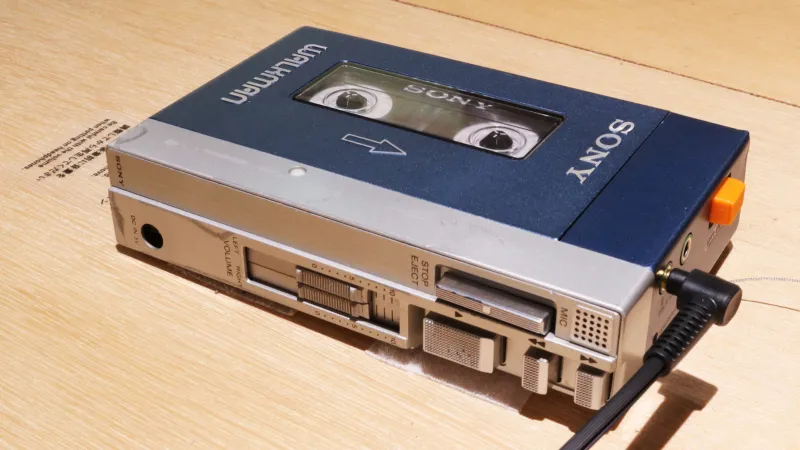
TOKYO – The iconic Sony Walkman, model TPS-L2, which revolutionized personal audio upon its debut in 1979, would carry an inflation-adjusted price tag exceeding $1,000 in 2026, a significant figure reflecting its groundbreaking status and lasting influence on today’s sophisticated hi-res audio players. This historical financial analysis underscores the device's initial market position as a premium consumer electronics product.
When Sony first introduced the TPS-L2 to the global market, it retailed for 33,000 Japanese yen, translating to approximately $150 USD at the prevailing exchange rate of the era. This price point, while seemingly modest by todays standards for advanced gadgets, represented a considerable investment for many households in the late 1970s.
The calculation for its 2026 equivalent involves assessing cumulative inflation rates across multiple economies, primarily the United States and Japan, to provide a contemporary purchasing power perspective. Economic models indicate that the original $150 investment would balloon significantly when accounting for over four decades of consumer price index adjustments.
Economists point to the rapid technological advancements and shifts in manufacturing efficiencies that have drastically altered consumer electronics pricing. Devices that once commanded high prices due to novel technology often become more affordable as production scales and components become commoditized.
The Walkmans introduction was more than just a product launch; it was a cultural phenomenon. It enabled individuals to carry their music anywhere, fostering a sense of personal space and autonomy in public environments previously dominated by boomboxes or silence.
Prior to the Walkman, portable music was largely confined to clunky, often battery-devouring, radio-cassette players. The TPS-L2s compact size, lightweight design, and inclusion of two headphone jacks for shared listening experiences, set it apart, creating an entirely new market segment.
This pioneering spirit laid the essential groundwork for every subsequent portable music device, from disc players and MP3 players to the ubiquitous smartphones and dedicated hi-res audio players that dominate the market in 2026. Each iteration builds upon the fundamental concept of personal, on-the-go music consumption.
The enduring legacy of the Sony Walkman is not merely its inflation-adjusted cost, but its profound influence on product design, consumer expectations, and the very concept of mobile entertainment. It transcended its function to become a symbol of modernity and individual expression.
Todays audiophiles frequently seek out high-resolution audio players that boast superior sound fidelity and expansive storage capabilities. These devices, while technologically light-years ahead, owe a conceptual debt to the Walkmans fundamental promise: uncompromised audio, anytime, anywhere.
While a new, top-tier hi-res audio player in 2026 might range from several hundred dollars to well over a thousand, mirroring the Walkmans adjusted price, the difference lies in the unprecedented leap in technology. Modern players offer lossless audio, streaming capabilities, and digital integration that were unimaginable in 1979.
The comparison serves as a compelling reminder of the historical relationship between technological innovation, market value, and consumer demand. The Walkman remains a testament to the power of a single device to reshape an entire industry and redefine societal norms surrounding personal entertainment. Its journey from a luxury item to a cultural icon continues to resonate in the advanced audio landscape of 2026.