Dodi Irawan
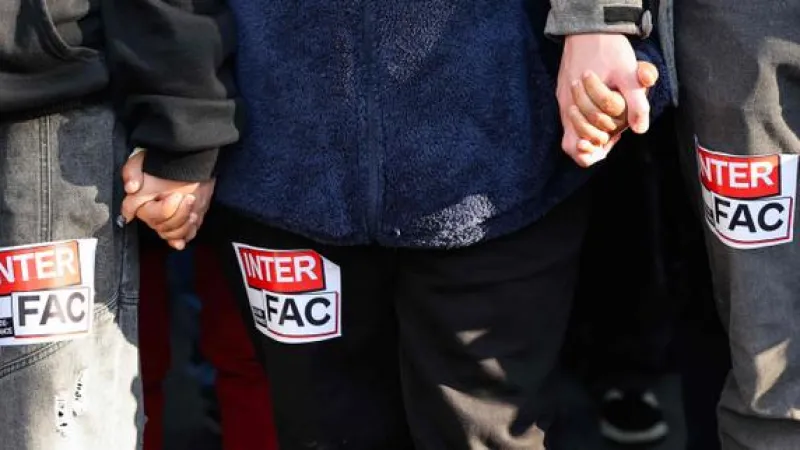
On Tuesday, between one-third and half of all higher education institutions across the nation faced widespread disruption due to student-led blockades and demonstrations. Mobilized students have committed to sustaining pressure on authorities despite profound uncertainty regarding the validation of their crucial first semester studies.
Students engaged in direct action, preventing access to university buildings and facilities in a concerted effort to amplify their demands. These actions represent an escalating commitment from student groups to force a dialogue on grievances that remain largely unaddressed.
The widespread blockades were not isolated incidents. Demonstrations also unfolded in major city centers, where thousands of students marched through streets, drawing public attention to their cause and generating considerable traffic disruptions. The dual approach of campus occupation and public marches underscores a strategic effort to maximize impact.
A central concern for the protesting students, and indeed for all affected by the disruption, is the looming question of semester validation. With significant portions of academic instruction interrupted, the official recognition of first-semester credits remains ambiguous, threatening academic progression for thousands.
While the specific catalyst for these latest protests was not immediately detailed, the ongoing nature of student activism suggests deeper systemic issues. Earlier reports indicated similar unrest, as seen in the article Widespread University Blockades Persist Ahead of November 5 Protests, pointing to a prolonged period of student mobilization.
Organizers emphasized their determination to continue with their actions, stating that abandoning their efforts was not an option. This steadfast resolve highlights the intensity of their demands and the perceived urgency of the issues they are confronting.
The scale of the disruption has placed significant strain on university administrations, which are now grappling with the dual challenge of ensuring student safety and maintaining academic integrity. Contingency plans for coursework and examinations are likely under urgent review.
Faculty members and staff have also been directly impacted, with many unable to access their workplaces or conduct scheduled classes. The ripple effect extends to students not participating in the protests, who face delays and uncertainty in their academic schedules.
Local authorities have largely maintained a watchful presence, balancing the right to protest with the imperative to maintain public order and ensure access to essential services. Reports indicate no major clashes, but tensions remain palpable in affected areas.
As the situation evolves, the onus is on both student representatives and institutional leadership to forge a path forward. The validation of the first semester hinges on a resolution that addresses student concerns while allowing academic functions to resume without further interruption.
The long-term implications of such sustained disruption to higher education could be profound, affecting graduation rates, research initiatives, and the overall reputation of national universities. The current standoff represents a critical juncture for all stakeholders involved.