Gabriella
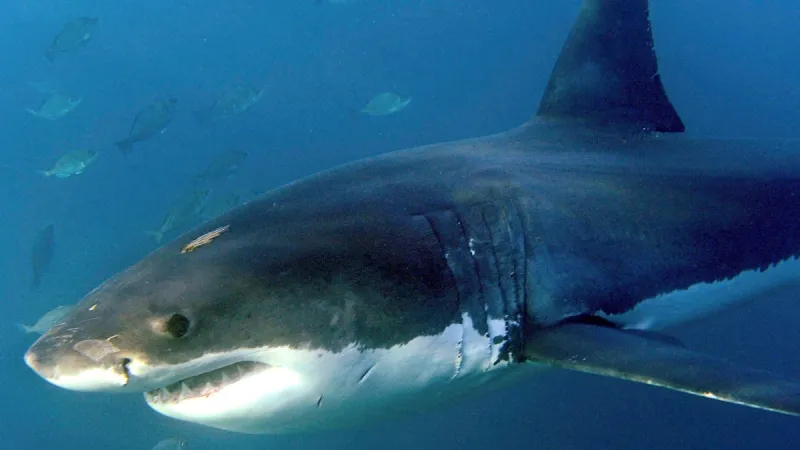
Coogee Beach, Sydney – A 35-year-old swimmer suffered critical injuries after a shark attack at Coogee Beach on Sunday, prompting immediate emergency response and renewed concerns over ocean safety in Australian waters. The incident, which occurred off the popular Sydney coastline, left the woman with significant wounds, necessitating urgent medical attention.
Paramedics and surf lifesavers responded swiftly to reports of the attack, providing initial treatment on the beach before transporting the victim to a nearby hospital. Her condition was described by authorities as serious but stable following the harrowing encounter. Eyewitnesses recounted scenes of panic as the woman was pulled from the water, her injuries evident.
This alarming incident follows closely on the heels of another tragic shark encounter a mere week prior. A man fatally succumbed to injuries sustained during a shark attack off the coast of Western Australia, underscoring a recent surge in such incidents across the continent. These events have reignited public discourse regarding measures to enhance swimmer safety.
Marine biologists and shark experts are closely monitoring the situation. While the exact species of shark involved in the Coogee Beach attack has not been definitively identified, larger predatory sharks like great whites, bull sharks, and tiger sharks are known to inhabit Australian coastal waters. Investigations into the circumstances surrounding the incident are underway.
Authorities have subsequently closed Coogee Beach and surrounding areas as a precautionary measure, advising the public to avoid swimming or engaging in water activities until further notice. Drone surveillance and marine patrols have been deployed to search for the animal responsible and ensure the safety of beachgoers.
Shark attacks, while relatively rare, often attract significant media attention due to their dramatic nature. Australia, with its extensive coastline and rich marine biodiversity, unfortunately accounts for a notable percentage of global shark encounters. The majority of interactions, however, do not result in injury.
Experts often attribute unprovoked attacks to factors such as mistaken identity, particularly in murky waters or at dawn and dusk. Sharks may confuse swimmers or surfers with their natural prey. Territorial behavior, especially during breeding seasons or near feeding grounds, can also contribute to aggressive encounters.
Community leaders and ocean safety advocates are urging swimmers to exercise extreme caution. Advice includes avoiding swimming alone, staying clear of areas where bait fish are active, and refraining from entering the water at dawn, dusk, or night when sharks are most active. Beaches equipped with shark nets or detection systems are generally considered safer.
The psychological impact of such events extends beyond the immediate victims, often affecting local communities and potentially impacting tourism. Sydney's beaches are a cornerstone of its appeal, and incidents like this necessitate a delicate balance between public safety and maintaining access to natural attractions.
Historically, various methods have been employed to mitigate shark risks, including netting, drum lines, and more recently, non-lethal technologies like electronic deterrents and drone surveillance. Each approach presents its own set of advantages and challenges, often sparking debate among conservationists and public safety officials.
Australia records an average of around 20 shark attacks per year, with one or two fatalities on average. These statistics, while grim for those involved, highlight the overall low probability of an attack given the millions of people who enter Australian waters annually for recreation.
The recent spate of incidents, particularly the fatal attack in Western Australia and now the severe injury at Coogee Beach, prompts a critical review of existing safety protocols. Local councils and state governments are under pressure to reassure the public and implement effective, sustainable solutions.
For a broader understanding of recent incidents, one may refer to previous reports such as the one detailing a Sydney Swimmer Critically Injured in Great White Shark Attack. Such events underscore the inherent risks associated with sharing marine environments with apex predators.
The recovery process for the injured swimmer will be extensive, both physically and emotionally. The community extends its thoughts to the victim and her family during this challenging time, hoping for a swift and full recuperation.
Local authorities emphasized that public awareness and adherence to safety guidelines remain paramount. As investigations continue, residents and visitors alike are advised to stay informed through official channels regarding beach statuses and safety recommendations. The ocean, while a source of recreation, demands respect for its wild inhabitants.