Chris Robert
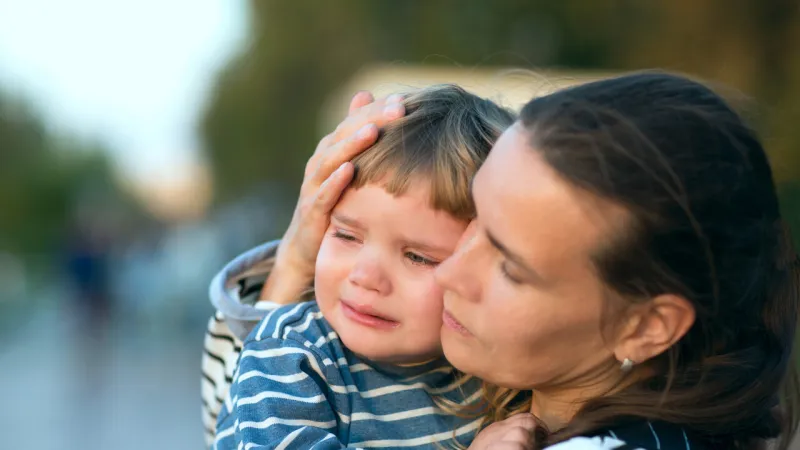
Washington, D.C. A profound re-evaluation of human emotional expression is underway among psychologists and neuroscientists, fundamentally challenging the entrenched societal perception of crying as a weakness. Experts are increasingly asserting that tears, far from being a sign of fragility, represent a crucial, multifaceted emotional competence vital for psychological well-being and social connection, actively working to dismantle the pervasive crybaby stigma that has long suppressed this innate human response.
For centuries, cultural narratives and gendered expectations have largely conflated crying with immaturity, vulnerability, or even a lack of control. This historical bias has propagated a harmful ideal, particularly for men, where suppressing tears is equated with strength and stoicism, often at the expense of genuine emotional processing.
However, contemporary research is shedding light on the robust physiological benefits of crying. Emotional tears, unlike reflex tears that clear irritants, contain elevated levels of stress hormones like adrenocorticotropic hormone and leucine encephalin. The act of crying, therefore, serves as a natural mechanism for the body to expel these biochemical byproducts of stress, contributing to a sense of relief and calm post-episode.
Beyond the chemical release, the psychological aspect of crying is equally significant. It provides an essential outlet for pent-up emotions, preventing their accumulation which can lead to increased anxiety, depression, and other mental health challenges. This cathartic release is a powerful self-soothing mechanism, allowing individuals to process grief, frustration, or overwhelming joy in a healthy manner.
Crying also functions as a potent social signal. When individuals witness another person in tears, it often elicits empathy and compassion, fostering stronger interpersonal bonds. This shared vulnerability can deepen connections, encouraging support and understanding within communities and relationships, thereby solidifying social cohesion.
Much like laughter, which is universally recognized for its stress-reducing and mood-enhancing properties, crying is an intrinsic part of a complete emotional repertoire. Both are involuntary, powerful expressions that serve to regulate internal states and communicate needs or feelings to others. To embrace one while shunning the other creates an incomplete and potentially unhealthy emotional landscape.
Dr. Elena Petrova, a leading expert in affective neuroscience, commented recently, "Tears are not merely saline droplets; they are a sophisticated communication tool, signaling distress or profound emotion that words often cannot convey. To deny ourselves or others the right to cry is to deny a fundamental aspect of our humanity and emotional intelligence."
The persistent crybaby stigma has tangible societal repercussions. It discourages honest emotional expression, particularly among adolescents and men, who are often taught to internalize feelings rather than externalize them. This suppression can lead to maladaptive coping mechanisms and a greater propensity for anger, aggression, or withdrawal, exacerbating mental health crises.
While the physiological mechanisms of crying are universal, the cultural acceptance and expression of tears vary significantly across the globe. Some cultures encourage open displays of emotion as a sign of authenticity, while others mandate stoicism. This global diversity underscores the learned nature of the crybaby stigma rather than its inherent truth.
Integrating emotional literacy into educational frameworks could play a pivotal role in normalizing crying. Teaching children that all emotions, including sadness and grief, are valid and deserve healthy expression, can cultivate a generation more attuned to their internal lives and more empathetic towards others.
Mental health professionals increasingly advocate for embracing emotional authenticity, including the freedom to cry. This approach is integral to therapeutic processes, helping patients confront trauma, resolve conflicts, and achieve emotional balance without fear of judgment. The ability to cry freely is often a benchmark of progress in emotional recovery.
The efforts to de-stigmatize crying are particularly crucial in challenging outdated gender stereotypes. Moving beyond the notion that "real men dont cry" is essential for fostering a society where emotional expression is seen as a human attribute, not a gendered one, promoting greater psychological health for everyone.
Ultimately, the ongoing re-evaluation urges a paradigm shift: from viewing tears as a weakness to recognizing them as a profound manifestation of strength, resilience, and connection. Embracing the full spectrum of emotional competence, where crying holds its rightful place alongside laughter, is a vital step towards a more empathetic and emotionally healthy society.