 Dorry Archiles
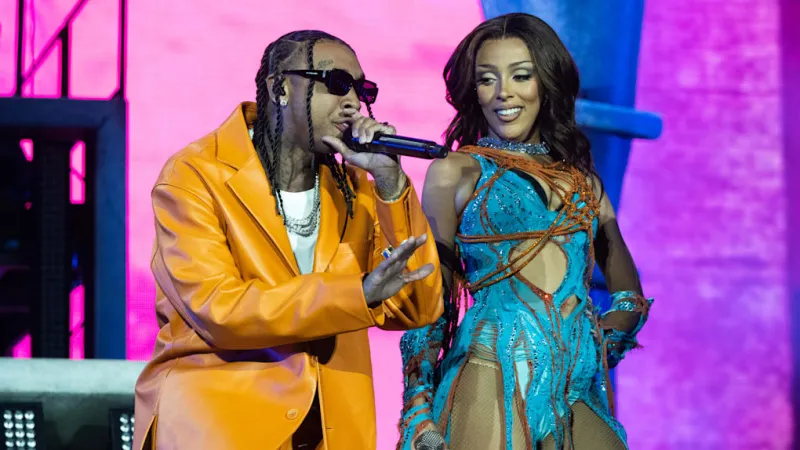
Rapper Tyga has ignited a firestorm within the music industry following the recent release of his new album, a project reportedly crafted with the assistance of Artificial Intelligence. The controversial endeavor has drawn exceptionally harsh criticism, culminating in a prominent music magazine reportedly branding the work a “piece of sh*t” and an unnamed industry colleague allegedly resorting to a deeply personal insult, calling the artist a “penis.”
The widespread condemnation underscores a growing tension surrounding the integration of AI into creative processes. Tyga, known for his distinctive rap style and commercial successes, ventured into this technologically advanced production method, a decision that has now placed him at the center of a heated debate about artistic integrity and authenticity.
The music magazine's review, while not fully detailed in its scathing indictment, reportedly delivered the maximum penalty in its assessment. Such a severe judgment from an influential publication signals a significant professional setback and an alarming reception for the artist's latest offering.
The alleged personal attack from a peer, labeling Tyga a “penis,” further escalates the controversy beyond mere artistic critique. This level of direct and vulgar insult points to deeply entrenched feelings of disapproval or outrage among some within the music community regarding Tyga's creative choices.
This incident is not isolated, but rather a high-profile example of the broader apprehension artists and critics hold concerning AI's role in creative fields. While AI offers innovative tools for production and composition, its use often raises questions about the human element, originality, and the very definition of artistry.
Experts in music technology have frequently debated whether AI-generated content can truly possess the emotional depth and unique perspective traditionally associated with human creation. Tyga's album now serves as a touchstone in this ongoing discussion, providing concrete evidence for both proponents and critics of AI in music.
The backlash against Tyga's album mirrors sentiments expressed across other artistic disciplines where AI has begun to gain traction. From visual arts to literature, concerns about copyright, job displacement, and the dilution of human creative output continue to be voiced by creators worldwide.
For Tyga, the immediate consequences of this reception could be significant, potentially impacting his reputation, future collaborations, and commercial viability. The music industry, often quick to embrace innovation, appears divided when that innovation fundamentally challenges established notions of creative ownership and execution.
As AI technology continues to advance at a rapid pace, the music world is grappling with how to regulate, incorporate, or reject its capabilities. This current controversy surrounding Tyga's album will undoubtedly contribute to the evolving dialogue and potentially shape future policies or norms within the industry.
The incident serves as a stark reminder that while technological advancements can streamline processes, they also introduce profound ethical and artistic dilemmas that require careful consideration. The public and critical reception of Tyga's AI-assisted work highlights the significant challenges that lie ahead for artists exploring these new frontiers.