 Chris Robert

LONDON – The United Kingdom's inflation rate surged to 2.9% in July 2026, marking a significant acceleration from June's 2.6%, driven primarily by escalating energy prices exacerbated by ongoing geopolitical tensions, particularly the conflict involving Iran. This unexpected increase signals persistent economic headwinds for British households and businesses as the cost of living continues its upward trajectory.
The Office for National Statistics reported the latest figures, highlighting a steeper rise than many economists had anticipated. The jump from 2.6% to 2.9% within a single month underscores the volatility currently defining global commodity markets and their direct pass-through to consumer costs.
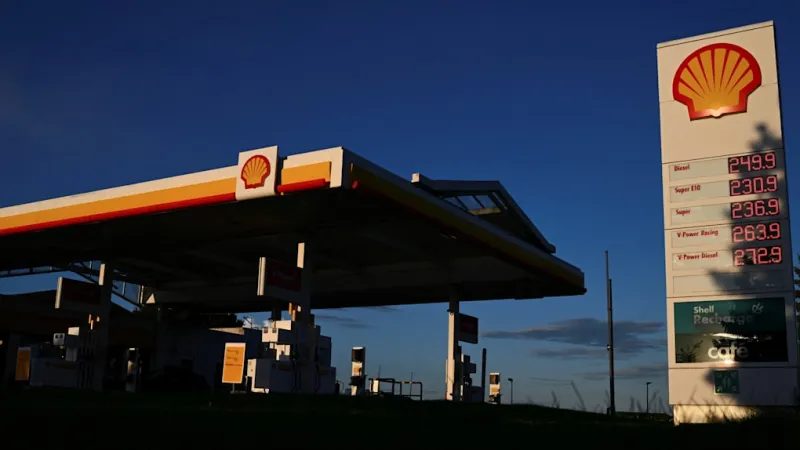
Analysts widely attribute the primary catalyst for this inflationary spike to the pronounced increase in energy costs. Both crude oil and natural gas prices have seen substantial gains on international exchanges, directly impacting utility bills and transportation expenses across the UK.
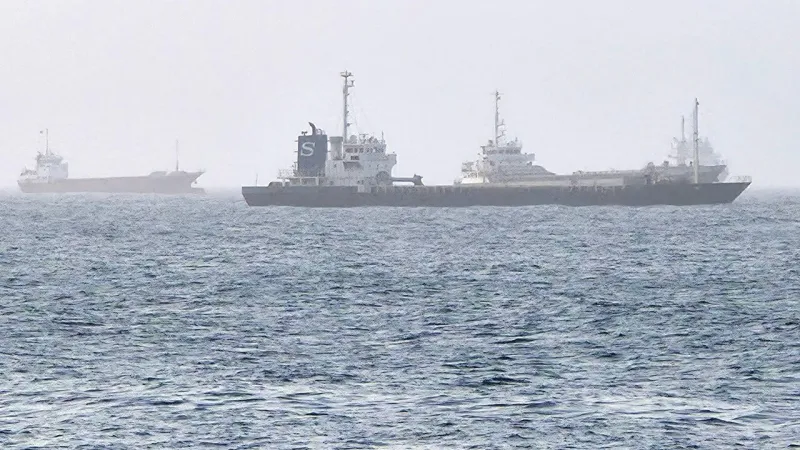
The underlying factor intensifying these energy market pressures is the ongoing conflict involving Iran. Disruptions to oil supply routes, coupled with heightened speculative trading, have placed an upward premium on energy commodities. Reports of escalating tensions in key shipping lanes, such as the Strait of Hormuz, have fueled market anxiety. Readers seeking more context on this critical flashpoint can refer to our previous reporting, Hormuz Escalation: Iran Rockets Target UAE, Trump Claims Territory.
The geopolitical landscape, particularly in the Middle East, remains precarious. President Donald Trump has consistently maintained a firm stance on regional stability, particularly concerning maritime security in the Persian Gulf, a region crucial for global energy supply. This backdrop contributes to the uncertainty perceived by energy traders worldwide.
For average British households, this rise in inflation translates directly into higher expenditures for heating, electricity, and fuel. Families already grappling with the aftermath of previous economic challenges now face renewed pressure on their disposable incomes, potentially constraining discretionary spending.
Businesses are similarly affected, experiencing elevated operational costs due to more expensive energy inputs. Manufacturers, transport companies, and retailers are observing their margins squeezed, which could ultimately lead to further price increases for consumers or necessitate difficult cost-cutting measures.
The Bank of England now faces an intensified dilemma. While its primary mandate is to maintain price stability, aggressive interest rate hikes to combat inflation risk stifling economic growth. The external nature of the current inflationary drivers, largely stemming from international energy markets and conflict, complicates domestic monetary policy responses.
Government officials have acknowledged the inflationary pressures, emphasizing the global nature of the challenge. While specific policy interventions directly targeting energy prices remain limited due to market dynamics, public discourse centers on measures to support vulnerable households. The immediate outlook suggests continued vigilance as the global geopolitical situation evolves.
Economists warn that sustained high inflation could erode consumer confidence and investment, posing a significant threat to the UKs post-pandemic recovery trajectory. The intertwining of domestic economic health with volatile international events underscores the fragility of the current global economic environment.
Further detailed analyses from economic think tanks indicate that while the energy component is dominant, other factors, such as supply chain bottlenecks and wage growth in certain sectors, may also be contributing to the broader inflationary environment, albeit to a lesser extent than the soaring cost of power.