 Edward DP Situmorang
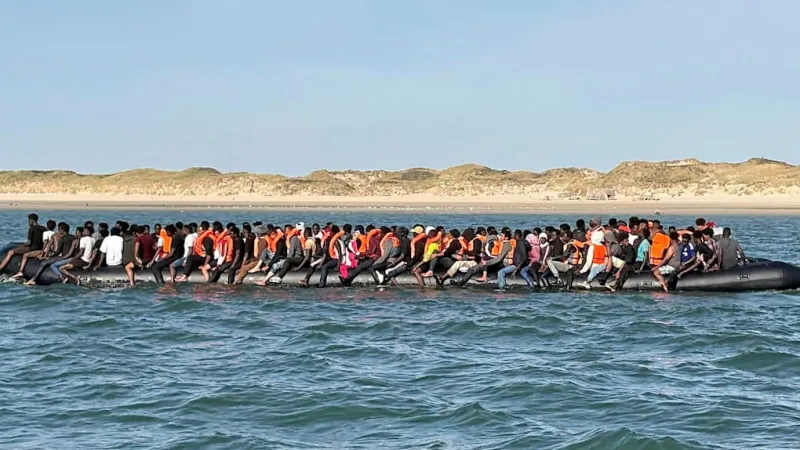
LONDON — The United Kingdom finds itself in a protracted and costly battle against illegal migration via small boats, with sophisticated smuggling networks consistently outwitting border defenses despite years of substantial governmental investment. This ongoing crisis, a persistent political headache in 2026, highlights the dynamic and profitable nature of human trafficking across the English Channel, where criminal enterprises appear to understand European vulnerabilities with startling precision.
For over half a decade, successive British governments have poured billions of pounds into enhanced surveillance, patrol vessels, and international cooperation agreements aimed at deterring and interdicting these perilous journeys. Resources have been allocated to expand border force capabilities, deploy advanced technology, and bolster intelligence-sharing with French authorities.
However, these significant expenditures have largely failed to stem the tide. Instead, smugglers have demonstrated a remarkable capacity for adaptation, rapidly evolving their tactics to circumvent new security measures. Initial attempts to cross in rudimentary dinghies have given way to the use of increasingly larger and more robust vessels, often overloaded with desperate individuals.
These larger boats not only carry more people per crossing but also present greater logistical challenges for interception and rescue operations, further complicating the already strained resources of the UK Border Force and Royal National Lifeboat Institution. The sheer volume of vessels demands a constant, exhaustive patrol presence across a vast maritime area.
The financial allure for organized crime groups remains immense. With each successful crossing, smugglers accrue substantial profits, fueling their operations and enabling further investment in their illicit infrastructure. This economic incentive creates a vicious cycle, where increased border security costs are offset by escalating illicit gains.
Experts suggest that these criminal networks possess a profound understanding of the complex legal frameworks, operational limitations, and political sensitivities that govern border control across the continent. This insight allows them to exploit gaps and adapt swiftly, often anticipating policy shifts before they are fully implemented.
The ongoing discourse around border control within Europe, as seen in recent debates over Italy defending renewed Schengen border controls and its vow for Schengen reinstatement only after total risk eradication, underscores the broader continental challenge.
British Home Office officials acknowledge the formidable nature of the challenge. A spokesperson, speaking on background, emphasized the government's unwavering commitment to disrupting these criminal gangs and protecting lives at sea, reiterating that “every viable option remains on the table.”
Critics, however, argue that the current strategy, heavily focused on interdiction, addresses symptoms rather than root causes. They call for a more comprehensive approach that includes robust safe and legal routes for asylum seekers, greater investment in processing claims, and intensified international efforts to stabilize regions from which migrants originate.
The human cost of these journeys is stark. Individuals, often fleeing conflict, persecution, or economic hardship, entrust their lives to ruthless criminals, enduring hazardous conditions in the hope of reaching British shores. Tragically, fatalities in the Channel remain a grim reality, underscoring the extreme dangers involved.
Despite the political rhetoric and sustained investment, the reality on the ground continues to challenge governmental resolve. The perpetual cat-and-mouse game between authorities and smugglers shows no sign of abatement, leaving the UK to grapple with an enduring humanitarian and security predicament.
This complex situation necessitates a re-evaluation of current approaches and a push for more coordinated, multinational strategies. Without addressing the underlying drivers of migration and the sophisticated business models of smugglers, the UK's border struggle appears destined to continue its trajectory.
The question persists: Can Europe, and specifically the United Kingdom, develop a coherent strategy that genuinely outmaneuvers the agility and resourcefulness of those who profit from human desperation? The answer remains elusive, even as billions are spent.