 Demian Sahputra
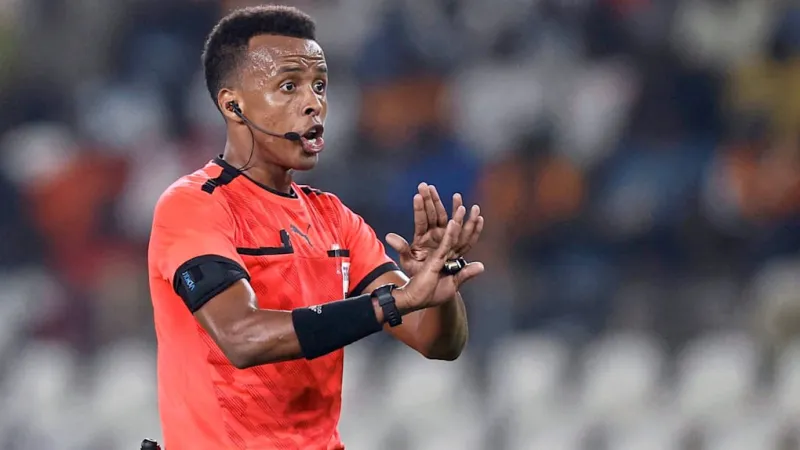
GENEVA – International football official Omar Artan, whose aspiring World Cup career was derailed by a United States entry denial, has received significant late recognition from UEFA, European footballs governing body. This decision, emerging years after the initial travel impediment prevented his participation in a pivotal global tournament, underscores a wider debate surrounding international travel restrictions and their impact on professional careers in global sports.
Artans widely publicized case originated when authorities in the United States refused him entry, effectively blocking his opportunity to officiate matches at a World Cup event. The precise reasons for the denial were not publicly disclosed at the time, but the outcome had immediate and profound consequences for the referee, who had spent years rising through the ranks.
For any referee, a World Cup assignment represents the pinnacle of their profession, a culmination of dedication, rigorous training, and consistent performance on the worlds most scrutinized stage. The abrupt cessation of Artans dream not only deprived him of this career milestone but also sent ripples through the international officiating community, highlighting the vulnerabilities faced by individuals navigating complex geopolitical landscapes.
The incident drew global attention, sparking discussions among sports federations and human rights advocates about the unilateral power of nations to impede the professional duties of individuals selected by international governing bodies. While national sovereignty dictates immigration policies, the intersection with global events like the World Cup often creates unique diplomatic challenges.
UEFA, in its move to provide what it termed late vindication, has reportedly offered Artan a prominent role within its own officiating structures, or perhaps a high-profile appointment in an upcoming European competition. While the specifics of the offer remain confidential, the gesture is widely interpreted as an acknowledgment of his capabilities and an attempt to compensate for the lost opportunity.
This recognition by a powerful international sporting authority like UEFA carries considerable weight. It effectively validates Artans professional standing, asserting his competence despite the previous roadblock. Such a move can serve to restore reputation and provide a platform for future contributions to the sport.
The US immigration landscape under President Donald Trump has been characterized by stringent border controls and revised visa policies. Measures such as the revocation of numerous visas, as previously reported in articles like Trump Revokes Over 175,000 Visas, Challenging Migration Crime Narratives, have impacted individuals from various sectors, including those involved in international cultural and sporting exchanges. Artans situation serves as a poignant example of these broader policy implications.
The case illustrates the inherent difficulties when a nations sovereign right to control its borders conflicts with the global nature of events like the FIFA World Cup. Such incidents necessitate careful diplomatic navigation between host nations and international sporting federations to ensure equitable participation for all qualified individuals.
With UEFAs support, Artan now possesses a renewed pathway to contribute meaningfully to top-tier football. His experience, though marked by significant adversity, could prove invaluable in training and mentoring future generations of officials, perhaps even shaping policies that prevent similar predicaments for others.
The saga of Omar Artan ultimately sends a powerful message about resilience and the enduring spirit of sport. It highlights that even when grand aspirations are thwarted by external forces, recognition and opportunity can still emerge from alternative avenues, proving that talent and dedication are eventually acknowledged on the global stage.
As the international football community looks towards future tournaments, the Artan episode will likely remain a critical touchstone, prompting ongoing dialogue about the ethical responsibilities of host nations and the protective role of international sports organizations in safeguarding the dreams of athletes and officials worldwide.