 Edward DP Situmorang
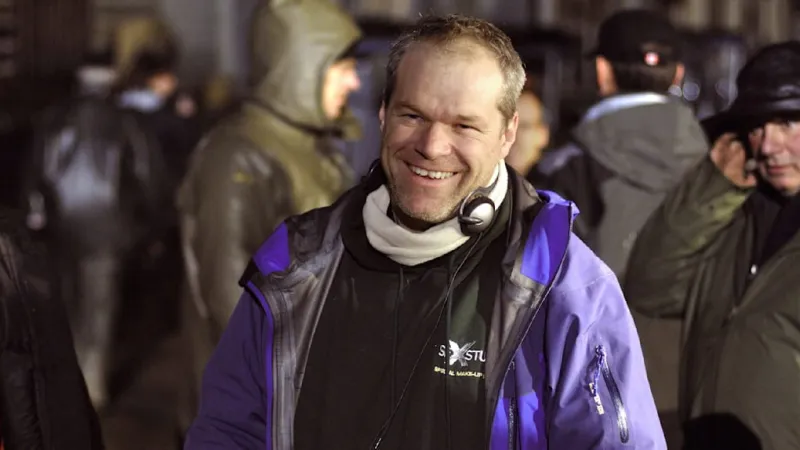
BERLIN – Renowned German filmmaker Uwe Boll has leveled serious accusations of censorship against the Freiwillige Selbstkontrolle der Filmwirtschaft (FSK), Germany's voluntary film classification body, following its unprecedented refusal to assign an age rating to his new feature, "Citizen Vigilante." Boll asserts this inaction is a deliberate attempt to remove the film from public exhibition.
The FSK, typically responsible for providing age recommendations for cinematic releases in Germany, has remained silent on "Citizen Vigilante," a move Boll describes as a "denial of reality" and a tactic to effectively ban the film. This bureaucratic impasse places the future distribution of the movie in significant jeopardy, as an official rating is crucial for theatrical and home video releases.
"This is nothing short of censorship," Boll stated emphatically in a recent press briefing, expressing profound frustration with the FSK's decision. "They are attempting to pull my film from circulation without any legitimate grounds. It is an attack on artistic freedom and a blatant attempt to silence a narrative they find uncomfortable." His strong words highlight a deepening rift between the filmmaker and the regulatory body.
Without an official age classification, "Citizen Vigilante" cannot be legally shown in mainstream cinemas or sold through conventional retail channels in Germany. This effectively curtails the film's reach to a mass audience, forcing potential viewers to seek alternative, often obscure, avenues if they wish to see it. The FSK's role is to protect minors, but its complete abstention from classification raises questions about its mandate and impartiality.
Uwe Boll is no stranger to controversy, having built a career on provocative and often critically polarizing films. Known for his outspoken nature and confrontational approach, Boll has frequently challenged industry norms and critics alike. This latest confrontation with the FSK adds another chapter to his long history of defying expectations and pushing cinematic boundaries.
While rare, instances of films facing difficulty with classification boards or outright bans are not unprecedented in cinematic history, both in Germany and internationally. Such actions often ignite intense debates about freedom of speech versus public protection, particularly concerning sensitive or violent content. The film industry continually navigates these complex tensions.
The title "Citizen Vigilante" suggests a narrative exploring themes of justice, public accountability, and potentially vigilante action, subjects that can be inherently contentious. Without a public statement from the FSK detailing their reasons, speculation about the film's precise content and its potential impact remains high. The lack of transparency exacerbates the situation.
The FSK has yet to issue a public statement clarifying its rationale for withholding a classification for "Citizen Vigilante." This silence further fuels Boll's allegations and leaves observers to ponder the specific criteria or content within the film that may have led to such an unusual regulatory response. A clear explanation from the classification body would be critical in demystifying the situation.
This incident reignites a broader discussion about film censorship and the role of classification boards in modern democratic societies. Similar debates have arisen in Germany regarding public figures and artistic expression, such as when Dieter Nuhr sparked outcry with allegations of trivializing violence. Critics argue that such bodies should facilitate access with appropriate warnings, not impede it, while proponents emphasize the necessity to safeguard younger audiences from potentially harmful content. The "Citizen Vigilante" case serves as a stark example of this ongoing societal tension.
The unfolding situation with "Citizen Vigilante" could have ripple effects across the German film industry, prompting other filmmakers to consider the potential hurdles their projects might face if they tackle similarly challenging themes. It underscores the delicate balance between artistic expression and regulatory oversight that defines contemporary film production and distribution.
Boll's legal team is reportedly exploring options to challenge the FSK's decision, potentially seeking an injunction or appealing to a higher administrative court. The outcome of such legal maneuvers could set an important precedent for future film classifications in Germany. The director appears determined to fight for his film's right to be seen by the public.