 Dodi Irawan
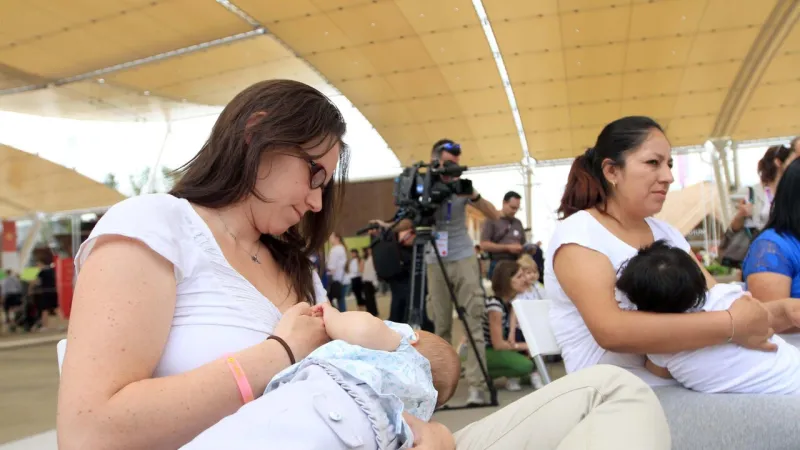
UNICEF and the World Health Organization (WHO) announced that increasing breastfeeding rates globally could prevent more than 500,000 infant deaths each year. The declaration coincides with the commencement of World Breastfeeding Week, emphasizing the critical role of maternal milk in ensuring child survival and healthy development.
The joint statement from the United Nations agencies underscored the profound impact of breastfeeding as a fundamental intervention for public health. It provides essential nutrients, antibodies, and vital protection against common childhood illnesses.
This year's World Breastfeeding Week, an annual observance aimed at promoting and supporting breastfeeding practices worldwide, commenced with a renewed call to action for governments, healthcare providers, and communities.
UNICEF Executive Director Catherine Russell reportedly stated, “Our collective goal is to give every child the best possible start in life.” This sentiment encapsulates the overarching mission behind the global initiative to champion breastfeeding as a cornerstone of early childhood development.
Breast milk is recognized as the ideal food for infants, offering a unique blend of proteins, fats, carbohydrates, and vitamins tailored to a baby's needs. Its benefits extend beyond mere nutrition, acting as a child's first vaccine against infections.
Studies consistently show that breastfed infants have a lower risk of respiratory infections, diarrheal diseases, and ear infections. Furthermore, long-term benefits include reduced rates of obesity, type 2 diabetes, and certain cancers later in life.
The advantages are not limited to the child. Mothers who breastfeed experience reduced risks of ovarian and breast cancers, type 2 diabetes, and postpartum depression. This reciprocal health benefit underscores its holistic value.
Despite these well-documented benefits, global breastfeeding rates remain suboptimal in many regions. Barriers include insufficient support for mothers in the workplace, aggressive marketing of breast milk substitutes, and a lack of skilled counseling for new parents.
UNICEF and WHO advocate for robust policies that protect, promote, and support breastfeeding. These include paid parental leave, workplace lactation accommodations, and adherence to the International Code of Marketing of Breast-milk Substitutes.
Healthcare systems also play a crucial role, with the agencies urging facilities to implement the Ten Steps to Successful Breastfeeding, a set of guidelines designed to ensure that mothers receive adequate support and information.
Investing in breastfeeding support programs is not only a health imperative but also an economic one. Research indicates that increased breastfeeding rates can lead to significant healthcare cost savings and improved productivity.
The agencies emphasized that societal norms and cultural practices significantly influence breastfeeding duration and exclusivity. Education campaigns targeting families and communities are vital to foster a supportive environment.
While significant progress has been made in some countries, global targets for breastfeeding remain unmet. The 2026 observance of World Breastfeeding Week seeks to re-energize efforts to bridge these gaps.
The call to action extends to policymakers to prioritize maternal and child health in national budgets and legislative agendas. Ensuring access to qualified lactation support is a key component of this strategy.
Ultimately, the message from UNICEF and WHO is clear: fostering an environment where every mother feels empowered and supported to breastfeed is a shared responsibility that yields profound, life-saving dividends for the next generation.