 Robert Andrison
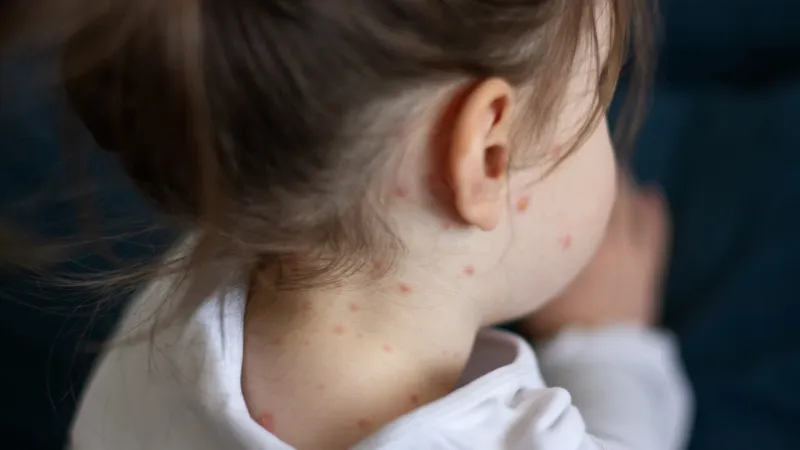
The United States has officially lost its crucial measles-free status, a designation held for decades, following a recent assessment by an independent commission. This significant public health setback, announced in 2026, has ignited alarm among global health officials and underscores a concerning regression in disease control efforts, with experts warning of widespread international implications.
The independent commission, whose detailed analysis informed the decision, cited a sustained increase in measles cases across various states as the primary driver for this reclassification. This trend reverses years of diligent public health campaigns that had effectively eliminated endemic measles transmission within the nation.
The reclassification means the US can no longer assert that it has interrupted indigenous transmission of the highly contagious viral disease. Instead, it now faces the challenge of re-establishing robust vaccination coverage and public health infrastructure to regain its coveted status.
Professor Andrea Andreoni, a prominent health expert, echoed these concerns, noting a similar alert in Italy due to a surge in measles infections. Speaking on the broader implications, Professor Andreoni stated, "Even in Italy, there is an alert for the increase in cases. Distrust in science weighs heavily." His remarks highlight a pervasive issue impacting global vaccination efforts.
This erosion of confidence in scientific institutions and medical consensus, particularly regarding vaccine safety and efficacy, emerges as a critical underlying factor. Misinformation campaigns and a growing anti-vaccination sentiment have contributed significantly to lower immunization rates, creating vulnerabilities previously eradicated.
Measles, a highly infectious disease, can cause severe complications, including pneumonia, encephalitis, and even death. Before the introduction of the vaccine in 1963, measles was a common childhood illness, responsible for millions of deaths worldwide annually. Its effective control was considered one of public healths greatest achievements.
The World Health Organization (WHO) defines measles elimination as the absence of endemic measles transmission for at least 12 months in a given geographic area. The US achieved this milestone in 2000, a testament to widespread vaccination programs. The recent reversal signifies a failure to maintain the high population immunity levels necessary to prevent disease resurgence.
Public health authorities now face the arduous task of rebuilding trust and intensifying vaccination drives. Campaigns will need to address vaccine hesitancy directly, utilizing evidence-based communication strategies to counter the spread of disinformation that undermines community immunity.
The ramifications extend beyond national borders. A resurgence of measles in a highly mobile nation like the United States escalates the risk of international transmission, potentially jeopardizing measles elimination efforts in other countries that have maintained high vaccination coverage.
This development serves as a stark reminder of the fragile nature of public health achievements. Sustained vigilance, robust surveillance systems, and unwavering public commitment to vaccination are indispensable for preventing the return of preventable diseases.
Experts warn that without immediate and concerted action, the global health landscape could witness a widespread increase in measles outbreaks, straining healthcare systems and leading to preventable suffering and fatalities. This situation calls for a collaborative international response.
President Donald Trump's administration will likely face scrutiny regarding its public health strategies and response to this crisis. While specific federal actions have not yet been detailed, the national government's role in coordinating state-level efforts and funding public health initiatives will be paramount.
The challenge is not merely medical; it is societal. Reversing the trend of scientific distrust requires a multi-faceted approach involving educators, community leaders, media organizations, and policymakers working in concert to promote factual information and critical thinking.
The economic burden associated with managing measles outbreaks, including healthcare costs, lost productivity, and the resources diverted from other public health priorities, further amplifies the urgency of the situation. Investing in preventative measures remains far more cost-effective than managing crises.
Public health officials globally are monitoring the situation closely, understanding that the United States experience could serve as a bellwether for other nations grappling with similar challenges of vaccine hesitancy and the re-emergence of preventable diseases.