 Stefani Rindus
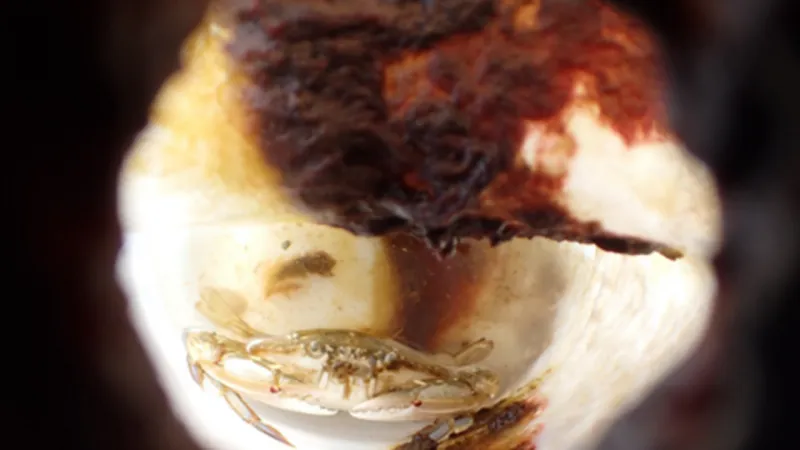
A crab found imprisoned within a discarded plastic bottle for an estimated two months offers a poignant, tangible illustration of the insidious, often overlooked dangers posed by marine pollution to the world's oceans and their inhabitants. The discovery underscores how seemingly innocuous items of litter can become lethal traps for unsuspecting creatures, testifying to a profound ecological imbalance.
The precise location of this particular incident was not immediately detailed, but the observation stems from a broader understanding of plastic debris pervasive in coastal and deep-sea environments. This solitary crab's ordeal serves as a microcosm of a much larger, global crisis, where millions of tons of plastic waste infiltrate marine ecosystems annually.
Marine plastic pollution represents a multifaceted threat, extending far beyond the visible accumulation of refuse on beaches. Scientists and conservationists worldwide have long documented its devastating effects, ranging from entanglement and ingestion to habitat destruction. However, the unique predicament of this crab highlights a specific, often less-discussed aspect: physical entrapment.
Plastic containers, bottles, and other debris, once introduced into the ocean, drift with currents, often sinking or becoming lodged in underwater landscapes. For marine organisms like crabs, which forage and seek shelter among seafloor structures, these discarded items can become inescapable prisons. The bottle's narrow opening allows entry but often prevents escape, leading to prolonged suffering and eventual death.
Estimates suggest that between 8 and 12 million metric tons of plastic enter the oceans each year. This deluge comprises items of all sizes, from large fishing nets and industrial waste to everyday consumer products like beverage bottles, packaging, and microplastics. The sheer volume makes such entrapment scenarios increasingly common, though many go unseen and undocumented.
While widely recognized issues like marine animals ingesting plastic particles or becoming entangled in ghost fishing gear dominate headlines, the slow, agonizing confinement illustrated by the crab offers a different perspective. It demonstrates how inert objects transform into active threats, altering the very survival dynamics of species.
Such incidents contribute to broader ecological declines. Crabs, as scavengers and a vital part of the marine food web, play a crucial role in maintaining ecosystem health. The loss of individuals or populations due to avoidable anthropogenic factors disrupts delicate balances, impacting species further up the food chain and overall biodiversity.
Plastic materials are designed for durability, which ironically becomes their greatest environmental flaw. A typical plastic bottle can take hundreds of years to decompose, meaning that once it enters the ocean, it remains a persistent threat across generations of marine life. This longevity ensures that incidents like the crab's entrapment will continue unless significant preventative measures are adopted.
International organizations, governments, and local communities are intensifying efforts to combat marine plastic pollution. Initiatives range from large-scale ocean cleanups and advanced recycling technologies to public awareness campaigns urging reduced single-use plastic consumption and improved waste management infrastructure globally.
Policymakers in various nations are exploring and implementing regulations aimed at curbing plastic waste. These include bans on certain single-use plastics, extended producer responsibility schemes, and incentives for sustainable alternatives. However, the global nature of ocean currents means that pollution generated in one region can impact marine life thousands of miles away, necessitating concerted international action.
While systemic changes are critical, individual actions also aggregate into significant impact. Conscious choices regarding consumption habits, proper waste disposal, and supporting organizations dedicated to marine conservation can collectively mitigate the threat of ocean plastic. The plight of this single crab serves as a stark reminder of the tangible consequences of human decisions.
The original observation specifically noted that the event “testifies to a little-known impact of this form of pollution on marine life.” This emphasizes the need for continued research and public education to uncover and highlight the full spectrum of damage caused by plastic waste, moving beyond the most commonly cited issues to a more comprehensive understanding.
The visual of a living creature struggling within human-made debris forces a critical introspection into consumer culture and industrial practices. It is a powerful, silent plea from the ocean depths for more responsible stewardship of Earths finite resources and fragile ecosystems.