 Chandra Wijayanto
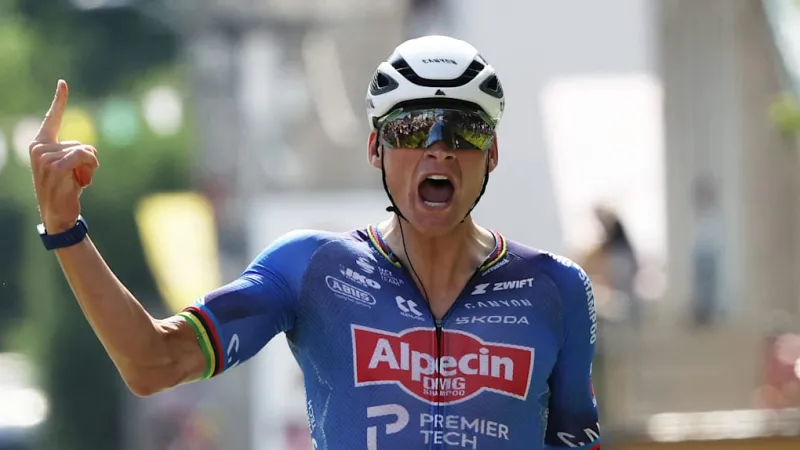
NICE, FRANCE – Cyclist Mathieu van der Poel claimed a hard-fought victory in the ninth stage of the 2026 Tour de France, overcoming a significantly shortened course and brutal 40-degree Celsius temperatures that pushed competitors to their physical limits. The demanding race, already infamous for its unforgiving mountains and strategic winds, introduced an additional, relentless adversary this year: extreme heat.
The decision to reduce the stage by approximately 30 kilometers, cutting down the original route, underscored the severity of the conditions. Even with the modification, the grueling journey transformed into a genuine ordeal for the peloton, testing the resolve of even the most seasoned riders. Medical teams remained on high alert throughout the day, closely monitoring athletes for signs of heatstroke and dehydration.
Van der Poel, known for his aggressive riding style and formidable stamina, launched a decisive attack in the later part of the stage. His relentless pace proved too much for his rivals, who visibly struggled to maintain momentum under the relentless sun. The Dutch powerhouse demonstrated exceptional heat management and tactical acumen, choosing his moments to accelerate with precision.
Organizers had announced the route alteration just hours before the start, citing rider safety as the paramount concern. The unprecedented temperatures, which soared to a sweltering 40 degrees Celsius (104 degrees Fahrenheit) across much of the route, posed significant health risks. This marked one of the rare instances in modern Tour de France history where environmental factors necessitated such a substantial change.
Many riders described the stage as an exercise in survival. Interviews after the race revealed widespread exhaustion and discomfort. Several prominent contenders lost valuable time, unable to cope with the physical demands imposed by the combination of high speed and searing heat. Water bottles were consumed at an accelerated rate, and riders frequently doused themselves with water to seek temporary relief.
While the Tour de France has always presented climactic challenges, the frequency and intensity of extreme weather events, particularly heatwaves, appear to be increasing. Race veterans recalled similar grueling stages from past editions, but few compared to the sustained, intense heat encountered on this particular day in 2026. This trend raises broader questions about athlete welfare in outdoor endurance sports.
Van der Poels victory was not merely a display of brute strength but also of mental fortitude. He conserved energy early, strategically positioning himself within the main group before unleashing his powerful surge. His ability to perform optimally when others faltered highlighted his elite conditioning and a deep understanding of his bodys limits.
Spectators lining the route, many also braving the heat, cheered on the cyclists, offering encouragement and often dousing them with water as they passed. Despite the discomfort, the spirit of the Tour remained vibrant, a testament to the enduring appeal of this iconic cycling event. However, medical personnel were also busy attending to overheated fans along the route.
This challenging stage reignites discussions within the sporting world about event scheduling and climate adaptation. As global temperatures continue their upward trend, organizers of major outdoor competitions like the Tour de France may need to re-evaluate traditional race calendars and implement more robust heat mitigation strategies to protect athletes.
Mathieu van der Poels triumph in such adverse conditions will undoubtedly be remembered as a career-defining moment. It showcased not only his exceptional athletic prowess but also his unwavering determination in the face of unprecedented environmental adversity, securing a memorable victory in a Tour de France already shaping up to be one of the toughest in recent memory.