 Dorry Archiles
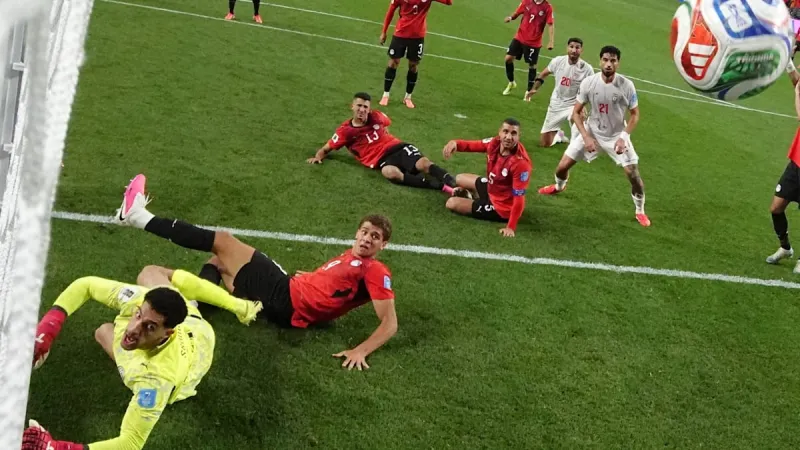
Iran's aspirations for a historic World Cup knockout stage berth were dramatically dashed when the Video Assistant Referee (VAR) overturned a late, celebrated goal against Egypt due to a marginal offside decision, plunging joyous supporters into immediate despair.
The incident unfolded during a critical group stage encounter where Iran believed it had secured a winning advantage, only for technology to intervene and redefine the outcome of a pivotal moment.
Players and coaching staff had already erupted in jubilation on the field, embracing each other as the stadium crowd roared its approval, convinced of an imminent victory that would have propelled the team to an unprecedented stage in the tournament.
However, the celebratory scenes quickly dissolved into anxious anticipation as the referee signaled for a VAR review, drawing the customary rectangular hand gesture that has become a familiar, often controversial, sight in modern football.
Replays meticulously scrutinized the attacking phase leading to the net-bulging strike, focusing on the positioning of an Iranian forward. The initial replays on stadium screens fueled both hope and dread among fans.
After several tense minutes, the final decision arrived: the goal was disallowed. A fractional offside, barely perceptible to the naked eye, was identified as the reason, effectively nullifying Iran's lead and their immediate progression hopes.
The ruling left Iranian players visibly stunned, collapsing to the turf in disbelief, their earlier euphoria replaced by profound disappointment. The contrast in emotions between the two teams was stark, with Egyptian players now breathing a collective sigh of relief.
This contentious moment reignites ongoing discussions surrounding the precision and impact of VAR in football. Critics often point to such tight calls, arguing they strip the game of spontaneous joy, while proponents laud its role in ensuring fairness and accuracy.
The decision carries significant weight for Iran, whose World Cup journey now faces a more challenging path. Their dream of advancing beyond the group stage, a feat never before achieved, now hinges on subsequent results and performances.
The match, part of the intense World Cup Group G Finale, was always expected to be a tight affair, with both teams vying for crucial points. The stakes were immensely high, making the VAR intervention even more impactful.
Football pundits and former players are likely to debate the merits of such microscopic offside calls for days to come, questioning whether the spirit of the game is truly served by decisions based on millimetric differences.
For the Egyptian squad, the VAR decision offered a lifeline, preserving their standing in the group and preventing a potential upset that could have jeopardized their own aspirations in the tournament.
This outcome underscores the fine margins that often define success and failure on the global stage of the World Cup, where a single pixel on a screen can alter a nations sporting destiny.
The use of technology, while intended to eradicate errors, frequently introduces new layers of contention, transforming moments of clear celebration into protracted periods of uncertainty and eventual heartbreak.
As the tournament progresses, the repercussions of this VAR call will undoubtedly be remembered as a defining moment for Iran, a team that came tantalizingly close to making history.