 Stefani Rindus
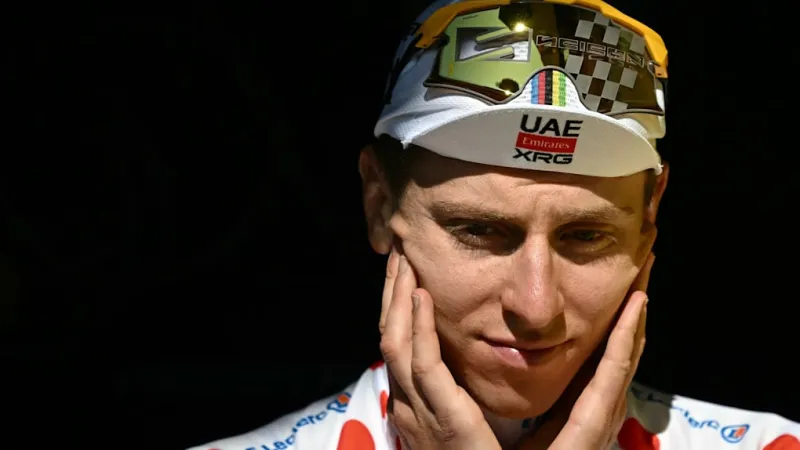
An unexpected virus outbreak has seized control of Tadej Pogacar's dominant team, casting a sudden shadow over his considerable lead in the Tour de France just three stages before its highly anticipated conclusion. The development, which saw a crucial support rider abandon the race on Thursday, injects fresh tension into what many considered a foregone conclusion as the peloton approaches the formidable climb of Alpe d'Huez.
Pogacar, widely regarded as the sport's preeminent talent, has maintained a substantial advantage in the general classification, leading his closest rivals by a margin that typically assures victory. His relentless performance across various terrains had established a narrative of unyielding dominance, with expectations firmly set on his third consecutive triumph. This viral intrusion, however, introduces an unpredictable variable into an otherwise controlled environment.
The withdrawal of a vital domestique on Thursday underscored the severity of the situation. These support riders are indispensable, performing grueling tasks such as fetching bottles, protecting their leader from the wind, and setting a blistering pace on climbs. Their absence can critically weaken a team's strategic capabilities and leave the primary contender more exposed to attacks from rivals. The specific nature of the virus remains undisclosed, but its impact on a rider capable of competing at the Tour's highest level indicates significant incapacitation.
The timing of this outbreak could not be more critical. The remaining stages include the legendary ascent of Alpe d'Huez, a climb renowned for its punishing gradients and electrifying atmosphere. This iconic mountain often serves as the crucible where Tour de France dreams are forged or shattered. Any reduction in Pogacar's team strength or a decline in his own physical condition due to viral exposure could prove disastrous on such demanding terrain.
Professional cyclists operate at the absolute peak of human physiological performance, making them particularly vulnerable to even minor illnesses. A common cold for an ordinary person can translate into a debilitating condition for an elite athlete, severely impacting stamina, power output, and recovery. The potential for the virus to spread further within the team bus and hotel rooms presents an additional, alarming concern for team management.
History offers numerous precedents where illness or injury dramatically altered the course of major cycling events. Riders like Chris Froome and Egan Bernal have faced significant health challenges during Grand Tours, sometimes forcing withdrawals or severely hampering their performance. Such incidents serve as stark reminders that even the most formidable athletes are susceptible to the vagaries of biological misfortune.
Teams implement rigorous health protocols to mitigate the risk of contagion, especially during multi-week events like the Tour de France. These measures typically include strict hygiene practices, isolated living arrangements, and constant monitoring for symptoms. The fact that a virus has still managed to infiltrate such a carefully managed environment highlights its pervasive nature and the inherent challenges of containing it within a traveling sports caravan.
Team officials have remained tight-lipped regarding the exact details of the outbreak, adhering to a common practice of minimizing public pronouncements that might offer psychological advantages to rival teams. This lack of specific information only fuels speculation within the cycling world about the true extent of the health crisis facing Pogacar's squad and its potential ramifications.
The psychological toll on Pogacar and his remaining teammates cannot be underestimated. The stress of competing at the highest level is already immense, and the added anxiety of potential illness or seeing teammates fall ill can be profoundly unsettling. This mental burden could subtly erode focus and resilience, factors as crucial as physical strength in the demanding final days of a Grand Tour.
For competing teams, this development transforms the race dynamic overnight. What once seemed a battle for second place now opens up possibilities for a dramatic late-stage upset. Rivals will undoubtedly sense an opportunity, scrutinizing Pogacar's every move and potentially escalating their attacks in the mountains, hoping to exploit any perceived weakness.
The coming days promise an electrifying conclusion to the Tour de France. While Pogacar's talent and resolve remain unquestionable, the virus introduces an element of human vulnerability that could rewrite the script of this year's competition, proving that even in seemingly dominant performances, the unexpected can always prevail.