 Debby Wijaya
Scientific consensus is increasingly highlighting Vitamin K as a potent, often overlooked, defense against arterial calcification, a condition known as arteriosclerosis that silently jeopardizes heart and brain health globally. This vital nutrient is gaining recognition for its scientifically proven ability to mitigate the dangerous hardening of blood vessels.
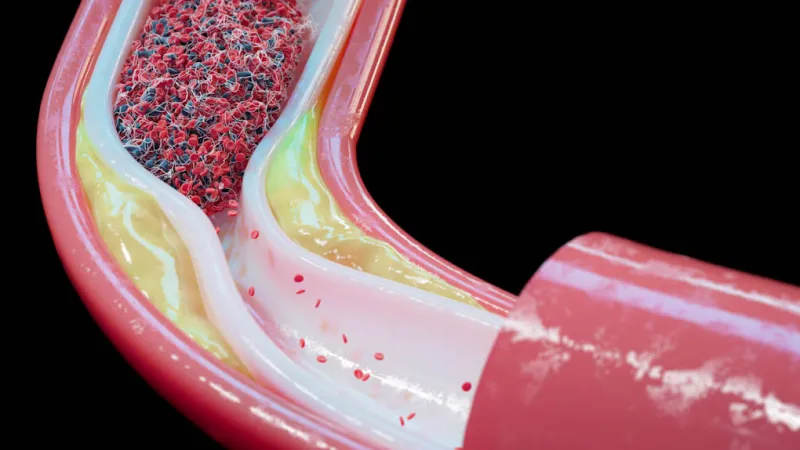
Arteriosclerosis, characterized by the buildup of plaque in the arteries, progresses insidiously, often without noticeable symptoms until severe complications arise. This hardening of the arteries restricts blood flow, significantly increasing the risk of heart attacks, strokes, and other grave cardiovascular events.
For years, medical science focused primarily on cholesterol management in addressing cardiovascular disease. However, recent research has broadened understanding to include calcium accumulation as a critical, and equally dangerous, component of arterial damage. This shift underscores the need for comprehensive strategies.
Vitamin K, a fat-soluble vitamin, exists in several forms, primarily K1 (phylloquinone) found in leafy green vegetables, and K2 (menaquinone) predominantly found in fermented foods and animal products. While both are essential, Vitamin K2 has garnered particular attention for its specific role in calcium metabolism.
Experts confirm the pivotal role of Vitamin K in activating matrix Gla protein (MGP), a powerful inhibitor of arterial calcification. Without sufficient Vitamin K, MGP remains inactive, allowing calcium to deposit freely within the arterial walls, exacerbating the progression of arteriosclerosis.
"The evidence is compelling," states one leading nutritional scientist, speaking on condition of anonymity to discuss ongoing research. "Vitamin K acts as a crucial switch, directing calcium away from soft tissues like arteries and into bones where it belongs. It is an underestimated nutrient with profound implications for public health."
This mechanism directly addresses the root cause of vessel hardening, offering a preventive and potentially even therapeutic approach to a condition previously thought largely irreversible. The impact extends beyond mere prevention, suggesting a pathway for improving arterial elasticity.
Dietary intake of Vitamin K can vary widely. While most people consume adequate Vitamin K1 through vegetables, ensuring optimal Vitamin K2 levels often requires deliberate choices, such as incorporating more fermented foods or high-quality animal fats, or considering supplementation under medical guidance.
Insufficient Vitamin K status is not uncommon, particularly in Western diets. Researchers point to a potential link between widespread dietary deficiencies and the prevalence of cardiovascular disease, suggesting that optimizing Vitamin K intake could be a simple yet impactful public health measure.
While Vitamin K offers considerable promise, it is not a standalone solution for complex cardiovascular issues. A holistic approach incorporating a balanced diet, regular exercise, and appropriate medical interventions remains paramount for maintaining heart and brain health.
The scientific community continues to explore the optimal dosages and forms of Vitamin K for preventing and managing arteriosclerosis. Clinical trials are underway to further solidify the findings and establish clear guidelines for its therapeutic application.
Patients already diagnosed with cardiovascular disease, or those at high risk, should consult their physicians before making significant dietary changes or introducing new supplements, especially given potential interactions with anticoagulant medications like warfarin.
This renewed focus on micronutrients like Vitamin K represents an exciting frontier in preventive medicine. Moving beyond traditional paradigms, scientists are increasingly appreciating the intricate interplay of dietary factors in chronic disease prevention.
The concept of addressing disease progression at a molecular level, as Vitamin K does with MGP, offers a sophisticated alternative to merely managing symptoms. This proactive stance aims to safeguard vital organs before significant damage occurs.
In summary, the scientific evidence supporting Vitamin K's role against arterial calcification is robust and growing. Its capacity to activate key proteins that inhibit calcium deposition positions it as a critical, yet often overlooked, nutrient in the fight against cardiovascular disease.