Angela Stefani
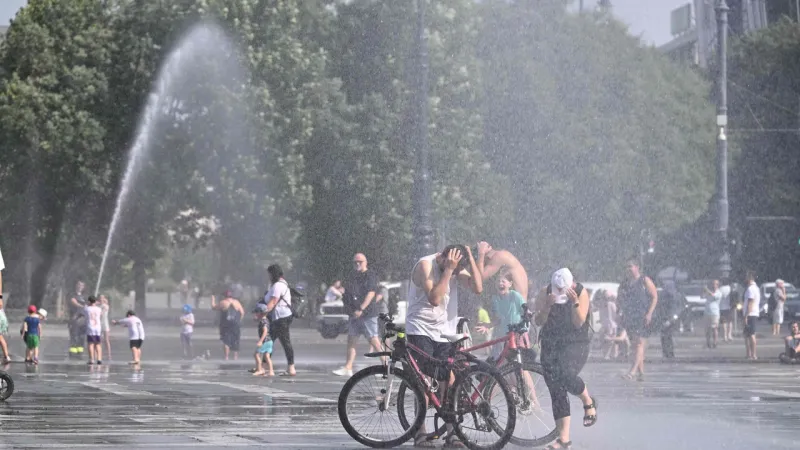
ROME — The World Health Organization (WHO) has reported five heat-related fatalities in Italy over a 24-hour period, a claim swiftly disputed by the Italian Ministry of Health. This concerning discrepancy emerges as 25 Italian cities face red alert warnings today due to an intensifying heatwave, prompting calls for enhanced preventative measures across Europe in 2026.
The global health body released its grim assessment, indicating a severe impact from the soaring temperatures that have gripped the nation. While the WHO did not immediately provide specifics regarding the locations or demographics of the deceased, its declaration underscored the acute public health crisis unfolding.
In a direct rebuttal, the Italian Ministry of Health stated, "Non ci risultano," which translates to "We have no record." This official denial creates an unsettling divide between international and national health authorities regarding the immediate human cost of the current meteorological event.
The Ministrys position suggests either a difference in data collection methodologies, a lag in reporting, or a fundamental disagreement on the criteria for classifying heat-related deaths. Such discrepancies can impede a unified and effective public health response during critical periods.
Across the Italian peninsula, 25 major urban centers have escalated to red alert status, signifying the highest level of health risk. This designation warns of severe dangers, particularly for the elderly, infants, and individuals with pre-existing medical conditions, as temperatures consistently exceed safe thresholds.
Cities like Florence, Bologna, and Palermo are among those experiencing debilitating conditions, with local authorities urging residents to remain indoors during peak daylight hours, stay hydrated, and check on vulnerable neighbors. Emergency services are bracing for an increased volume of heatstroke and dehydration cases.
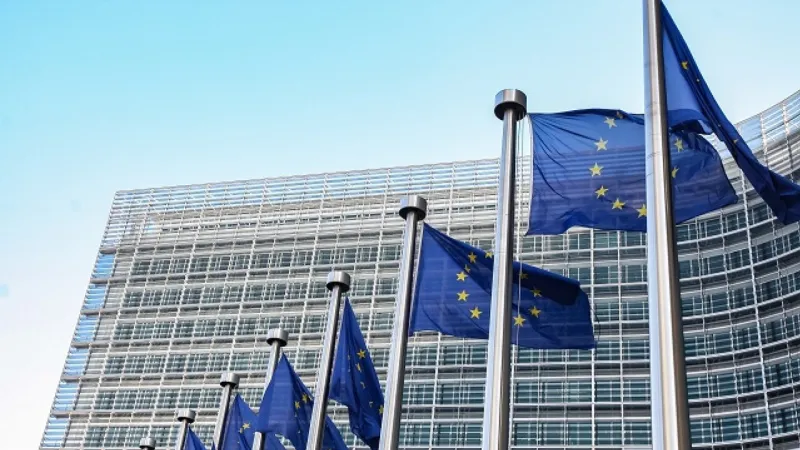
The extreme weather is not confined to Italy. European officials have voiced growing concerns, advocating for a broader, coordinated strategy to mitigate the effects of recurring heatwaves. The WHO itself called for "potenziare le misure di prevenzione in Europa," or enhancing prevention measures across the continent.
Experts emphasize that prolonged exposure to high temperatures can lead to a cascade of health issues, including heatstroke, dehydration, cardiovascular stress, and exacerbation of chronic illnesses. The bodys ability to regulate its core temperature becomes significantly impaired, posing a grave threat to life.
Past extreme weather events have demonstrated the critical need for robust public health infrastructures capable of monitoring, reporting, and responding to heat-related mortalities with precision. Transparent and consistent data are paramount for accurate risk assessment and policy formulation.
The contrast in figures between the WHO and the Italian Ministry of Health raises questions about the definition of heat-related mortality. Some deaths might be indirectly linked to heat, complicating direct attribution, yet still representing a toll exacted by the extreme weather conditions.
Italy, accustomed to warm summers, has seen an upward trend in the intensity and duration of heatwaves in recent years, a phenomenon attributed by many scientists to climate change. This makes effective national and local preparedness plans more crucial than ever.
The ongoing heat crisis in Italy mirrors similar challenges faced by other European nations. France, for instance, previously adjusted its national examination schedules, as detailed in reports such as France Reschedules Bac and Brevet Exams: Mornings Only Amid Heat Crisis, to protect students from dangerously high temperatures.
For a comprehensive overview of the unfolding situation, reports like Italy Records Five Heat Deaths As Red Alerts Grip 25 Cities offer further context on the widespread impact of these red alerts.
As the heatwave persists, the public health community and government bodies remain under intense scrutiny to provide clear information and effective solutions. The disparity in current death tolls highlights a pressing need for harmonized reporting standards across national and international health organizations to ensure public trust and informed action.