Gabriella
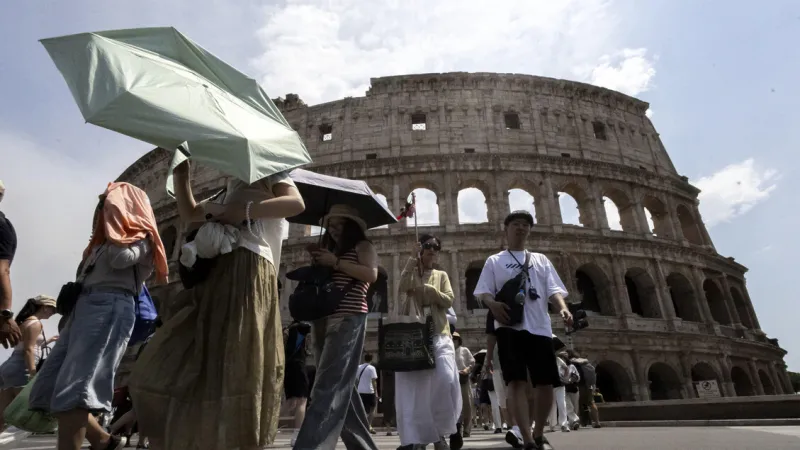
ROME – Italy has reported five heat-related fatalities within a 24-hour period, as the World Health Organization (WHO) issued a stark warning amidst scorching temperatures that have placed 25 Italian cities under red alert today, prompting urgent calls for enhanced prevention strategies across Europe.
The WHO underscored the immediate necessity to bolster public health measures to mitigate the severe consequences of the pervasive heatwave. European nations, including Italy, confront increasingly frequent and intense summer heat, demanding robust responses to safeguard public welfare.
The Italian Ministry of Health confirmed the widespread red alert status, indicating severe health risks for the entire population, not just vulnerable groups. Major urban centers such as Milan, Florence, Bologna, and the capital, Rome, are among those experiencing critical conditions.
These red alerts are activated when temperatures, perceived heat, and humidity levels pose a serious threat to human health, persisting for at least three consecutive days. The current conditions exemplify this critical threshold, pushing healthcare systems to their limits.
Public health experts warn that extreme heat exacerbates pre-existing conditions, particularly cardiovascular and respiratory ailments. The elderly, infants, and individuals with chronic diseases face heightened susceptibility to heatstroke, dehydration, and other heat-related illnesses.
Across the continent, countries are grappling with similar climatic challenges. For instance, France recently rescheduled national exams to morning hours only, acknowledging the hazardous midday heat for students and educators.
Italy's civil protection department has advised citizens to remain indoors during peak daylight hours, stay hydrated, and avoid strenuous physical activity. Public cooling centers and extended hours for air-conditioned public spaces have also been activated in several affected municipalities.
Dr. Roberta Rossi, a public health specialist in Rome, emphasized the silent danger of heatwaves. “The immediate fatalities are tragic, but the longer-term impacts on public health, from increased hospitalizations to exacerbated chronic conditions, are profound and often overlooked,” she stated.
The economic toll of such widespread heatwaves is also substantial. Sectors ranging from agriculture to construction suffer productivity losses, while energy grids strain under increased demand for cooling. These effects align with broader trends detailed in reports on how global heatwaves exact a heavy toll on economies and energy infrastructure.
The current heatwave underscores the pressing reality of the climate crisis, making extreme weather events more frequent and severe. Scientists attribute the intensification of these phenomena to anthropogenic climate change, necessitating both immediate adaptive measures and long-term decarbonization strategies.
The Italian government and local authorities are coordinating efforts to disseminate vital information and provide assistance to those most at risk. Emergency services remain on high alert, responding to a surge in heat-related calls for medical attention.
International collaboration, as advocated by the WHO, is crucial for developing resilient public health systems capable of withstanding future climate shocks. Sharing best practices and early warning systems can save lives across national borders.
As temperatures are forecast to remain elevated for several more days, Italy braces for continued challenges. The tragic loss of life serves as a somber reminder of the urgent need for comprehensive strategies to protect populations from the escalating impacts of a warming planet.