 Chris Robert
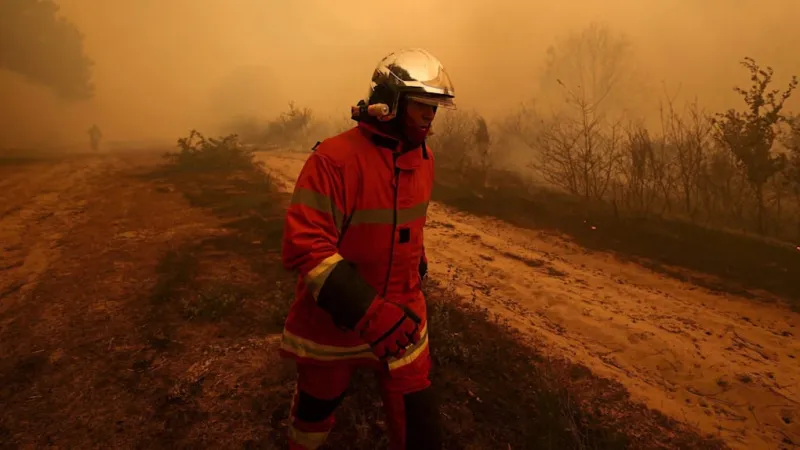
France grapples with an unprecedented surge of wildfires, igniting a national debate over the government's preparedness and capacity for crisis management. For several weeks, vast swathes of forestland have been consumed by relentless blazes, overwhelming emergency services and drawing sharp criticism regarding systemic shortfalls in equipment and personnel. Firefighters, often laboring through grueling 16-hour shifts, voice increasing frustration, underscoring a growing consensus that the nation's response system is nearing its breaking point.
The scale of the current conflagrations marks a significant departure from historical averages, with experts attributing the intensity and rapid spread to prolonged drought conditions and unusually high temperatures, hallmarks of a changing climate. These environmental factors have exacerbated the challenges faced by ground crews and aerial units, pushing them beyond their operational limits.
Central to the escalating crisis is the documented lack of crucial resources. Reports from the ground detail an urgent need for more firefighting aircraft, specialized vehicles, and even basic protective gear for personnel. This scarcity directly impedes effective containment efforts, allowing fires to grow unhindered and threaten wider areas.
Compounding the equipment deficit is a critical shortage of trained firefighters. Volunteer and professional brigades are stretched thin, forcing many to work continuous, exhausting shifts without adequate rest. This human toll not only impacts immediate response capabilities but also raises serious questions about long-term recruitment and retention strategies within the emergency services sector.
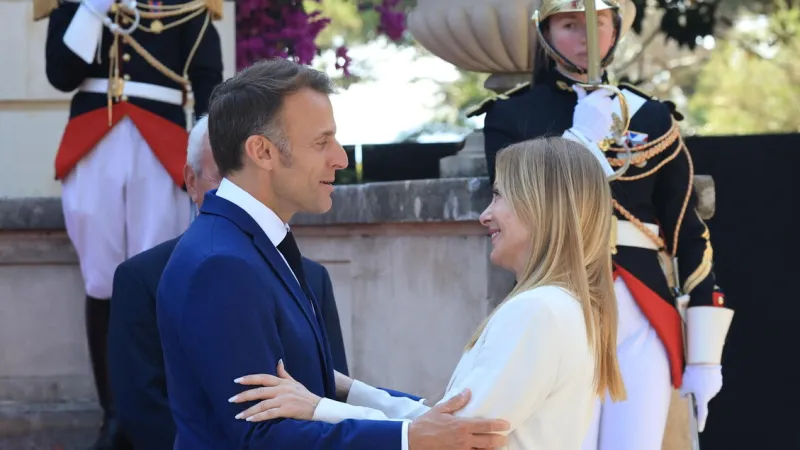
The French government, led by President Emmanuel Macron, has acknowledged the severity of the situation. Public statements emphasize ongoing efforts to mobilize national and international aid, yet critics argue these measures are reactive rather than proactive. Opposition figures demand a comprehensive review of national disaster preparedness policies and increased investment in firefighting infrastructure.
Beyond the immediate environmental devastation, the wildfires pose significant economic threats. Agricultural lands, timber industries, and vital tourism sectors in affected regions face substantial losses, impacting local economies for years to come. The long-term costs of regeneration and reconstruction are anticipated to be immense, adding another layer of financial strain on the national budget.
Ecological damage extends far beyond charred trees. Biodiversity loss, soil erosion, and air quality degradation represent profound and lasting environmental consequences. Habitats for numerous species are obliterated, disrupting delicate ecosystems and potentially altering landscapes permanently.
Public sentiment registers a mix of empathy for frontline responders and palpable frustration directed at political leadership. Citizens in affected areas express fears for their homes and livelihoods, while nationwide discussions highlight a perceived gap between official assurances and the grim reality on the ground.
Observers point to the current crisis as a stark example of how climate change is increasingly manifesting in tangible and devastating ways across Europe. While France is particularly affected this season, other nations in Southern Europe have also grappled with intensified wildfire seasons in recent years, prompting calls for greater regional cooperation and resource pooling.
The imperative for a robust, resilient national response system becomes unequivocally clear in the face of such relentless environmental pressures. As the fires continue to burn, the focus shifts not only to extinguishing the immediate threats but also to the broader question of how France, and indeed the continent, can better fortify itself against future climatic challenges.
This situation demands a multi-faceted approach, incorporating enhanced funding for emergency services, strategic recruitment drives, and modernizing firefighting fleets. Additionally, preventative measures, such as improved forest management practices, controlled burns, and public education campaigns, are gaining renewed urgency.
Ultimately, the crisis in France serves as a potent reminder that the consequences of environmental shifts are no longer distant threats but immediate realities impacting national security, economic stability, and public welfare. The answers sought by a nation grappling with its limits will shape its resilience for decades to come.
The political ramifications of the ongoing struggles are also substantial. With national elections approaching in the not-too-distant future, the government's handling of this extensive emergency could prove a critical factor in public perception and electoral outcomes. Public confidence in the state's ability to protect its citizens and environment is under considerable strain.
International aid has begun to arrive, a testament to solidarity among European partners, yet it underscores the sheer scale of the challenge France faces. These external resources, while vital, cannot fully compensate for underlying structural deficiencies within the national system.
Experts warn that without significant reforms and sustained investment, such crises will only intensify. The current strain on the French system is not merely a transient challenge but a harbinger of more frequent and severe environmental disasters. The call for a fundamental reassessment of national infrastructure and resource allocation echoes across the affected regions and throughout the political landscape.