Gabriella
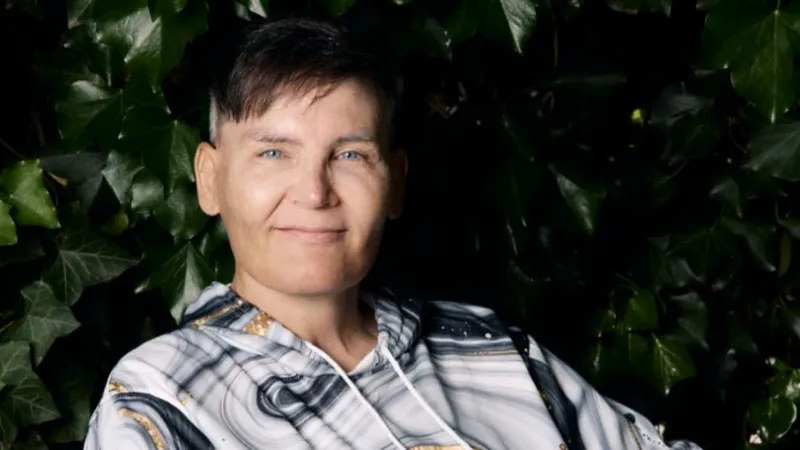
BERLIN – Chris Brönimann, a German man, has ignited a global conversation by publicly revealing his profound regret following 16 gender-affirming surgeries. He asserts that his extensive transition, undertaken with the hope of finding happiness as a transwoman, ultimately failed to deliver the desired fulfillment, now prompting a critical reexamination of prevailing narratives within trans activism.
Brönimann’s candid account, where he stated his story aims to “shake the dogmatic foundation of trans activism,” details a journey spanning years of medical interventions and profound personal upheaval. His narrative brings to the forefront the complex and often deeply personal nature of gender identity and the irreversible consequences of some medical decisions.
For years, Brönimann was convinced that transitioning to live as a transwoman would resolve an inner dissonance and lead him to a state of contentment. This deep-seated conviction propelled him through numerous procedures, each meticulously designed to align his physical appearance more closely with his perceived gender identity.
His surgical odyssey included an astonishing 16 operations, a testament to the sheer extent of his commitment to the transition process. These procedures, ranging from facial feminization to various reconstructive surgeries, were performed with the explicit goal of achieving a physical form that he believed would bring him profound peace and happiness.
However, despite the radical physical transformations, Brönimann discovered that the anticipated happiness remained profoundly elusive. Instead, he describes a growing sense of disillusionment and a realization that external changes did not address the deeper existential questions he faced about his identity and well-being.
This realization precipitated a significant shift in his perspective. He now openly discusses what he perceives as a lack of critical scrutiny within some segments of trans activism, particularly regarding long-term outcomes and the potential for regret among individuals undergoing extensive medical transition.
His narrative is poised to fuel broader discussions on detransition, a phenomenon that, while statistically rare, is increasingly gaining attention in medical and social circles. Brönimann’s experience underscores the importance of comprehensive psychological evaluation, ongoing support, and thorough, individualized care for individuals exploring gender identity.
Healthcare professionals and policymakers often grapple with the intricate ethical considerations surrounding gender-affirming care, balancing individual autonomy with the necessity for robust, evidence-based practices and compassionate long-term follow-up. Brönimann’s voice adds another critical layer of complexity to these already intricate debates.
By bravely sharing his deeply personal story, Brönimann aims not to invalidate the authentic experiences of others, but to encourage a more nuanced and open dialogue about gender transition. He emphasizes the critical need for spaces where differing experiences and outcomes can be discussed without fear of ostracism or immediate dismissal.
His willingness to speak out, despite the potential for backlash, highlights a burgeoning movement of individuals who believe their experiences offer valuable insights into the evolving understanding of gender identity and the multifaceted responsibilities of advocacy. Brönimann’s journey serves as a poignant reminder that personal happiness is a profoundly subjective and multifaceted pursuit, often extending far beyond physical alterations.
The implications of his story resonate across various domains, from medical ethics and patient care to mental health support systems and societal discourse. It prompts a critical examination of how society, and specifically advocacy groups, approach discussions around gender identity, ensuring that all voices, including those expressing regret, receive due consideration and empathy.
As discussions around gender identity continue to evolve globally, narratives like Brönimann’s are crucial for fostering a more inclusive and empathetic understanding of the diverse paths individuals take in their pursuit of self-discovery and well-being. His challenge to established viewpoints is likely to provoke further introspection and vital dialogue within the broader societal discourse on trans issues.